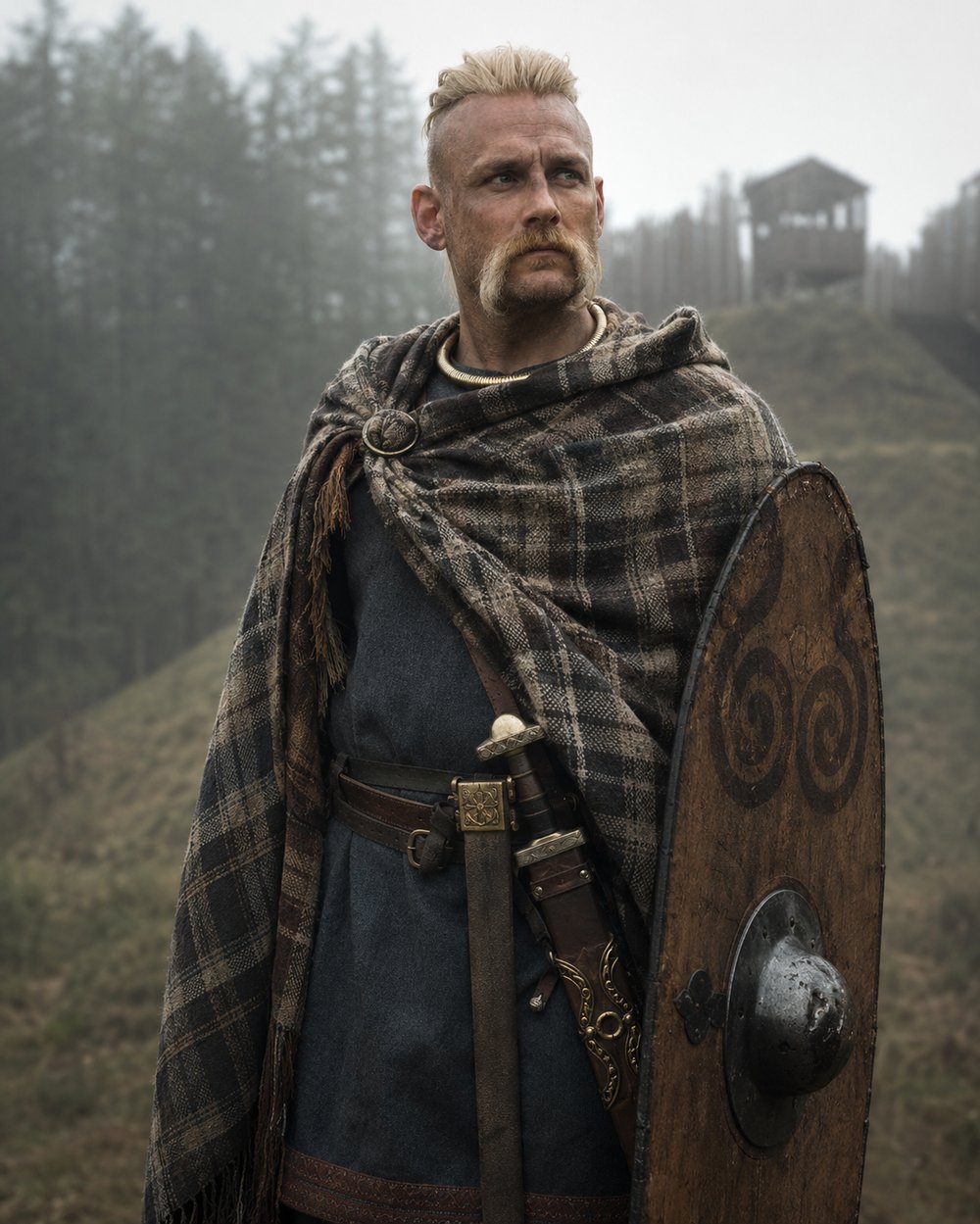
Long before the Vikings they settled between the Eifel and the Danube, leaving behind gold hoards and princely graves – and yet we hardly know their names. A search for traces of the Celts, whose legacy reaches right to our doorstep.
When you say “the Celts,” you picture a single people. That is the first and biggest misconception. The Celts were never a nation, never an empire, never a tribal league with one leader. What archaeologists today call Celtic is an immense cultural sphere that stretched over centuries from Ireland to Anatolia – held together by related languages, similar art and shared crafts and burial customs, not by a single political power.
Scholars distinguish two great phases, both named after find sites: the Hallstatt period (roughly 800 to 450 BC), after the cemetery in the Austrian Salzkammergut, and the following La Tène period (roughly 450 BC to the turn of the era), after a site on Lake Neuchâtel in Switzerland. It was in the La Tène period that the unmistakable style emerged with its sweeping tendrils, spirals and stylised animal masks – the one you still recognise as Celtic at a glance today.
Just how rich this world was shows most strikingly in the graves of its elites. At Hochdorf on the Enz, a princely grave from around 530 BC came to light – and, an archaeological rarity, completely undisturbed. No grave robber had ever been inside. The dead man lay on a bronze couch, fitted out with a golden neck ring, gold-mounted shoes and a huge bronze cauldron that had once held mead. A prince who would not do without his drink even in death – the Northmen would have liked that.
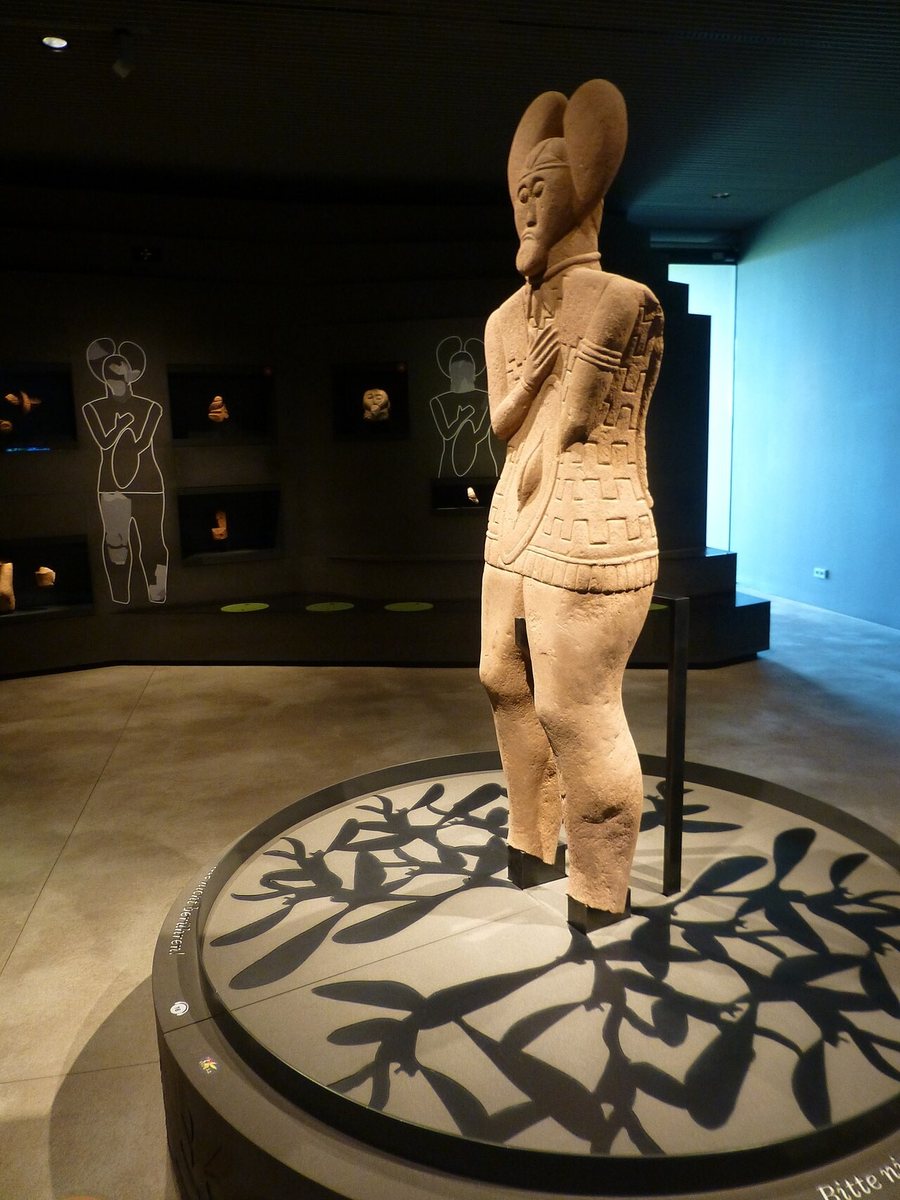
At the Glauberg in Hesse an almost life-sized sandstone statue of a warrior was found. What stands out is his headgear: a leaf-shaped crown that reminds some of mistletoe leaves. What it meant – rank, priesthood or the heroisation of a dead man – is still a matter of interpretation to this day. An honest “we don’t know,” the kind one wishes for more often.
On the upper Danube lies the Heuneburg, a Celtic hilltop settlement that around 600 BC possessed something astonishing: a fortification of air-dried mud bricks in the Mediterranean manner – unusual for these latitudes.
What is firmly attested, on the other hand, is the sheer size of the late oppida – those town-like, fortified large settlements. The biggest in Bavaria was Manching. From there came a famous gold hoard that was spectacularly stolen from the museum in 2022. The good news: in 2025 the culprits were sentenced to long prison terms. The bad news: by then most of the gold had long since been melted down.
Hardly any Celtic group has been so romanticised as the druids. Our picture of them comes almost entirely from outsiders, above all from Caesar and Pliny the Elder. The Celts themselves passed on their knowledge orally; they deliberately did not write it down. Caesar reports that training could take up to twenty years. From Pliny comes the famous scene in which a white-robed priest cuts the sacred mistletoe from an oak with a golden sickle.
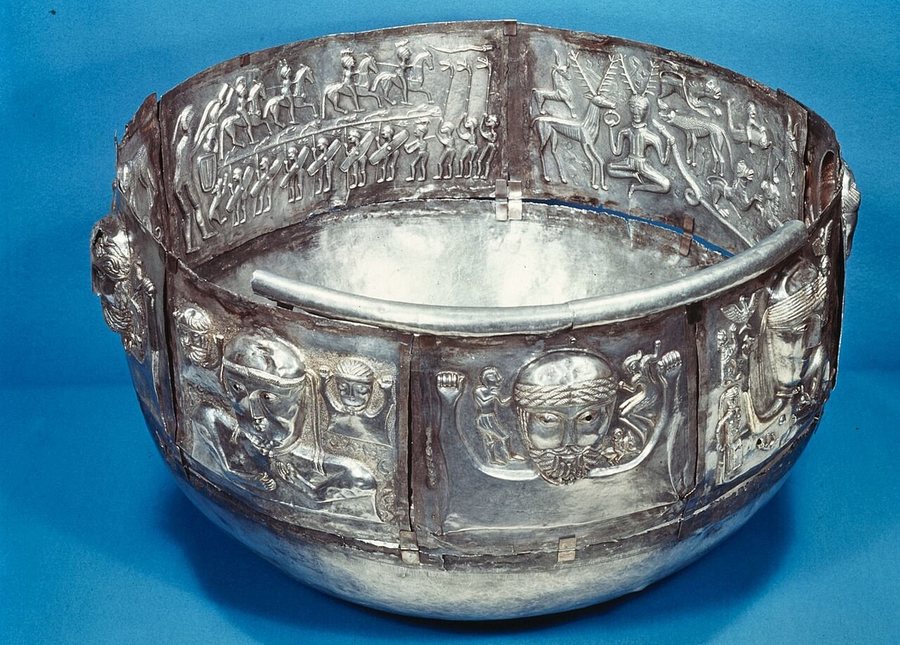
The Celtic gods, too, we know more from Roman accounts and votive stones than from their own tradition. Among those worshipped were Lugus, a versatile, widely revered god, Taranis, the thunder god with the wheel as his sign, and the horned Cernunnos, who famously sits cross-legged on the silver cauldron of Gundestrup. Especially popular among the horse folk was Epona, the horse goddess – the only Celtic deity who made it into the Roman state calendar.
Here things get especially interesting for us in the Rhineland. In his war report Caesar drew a neat line: to the left of the Rhine the Celts, to the right the Germanic peoples. The world was never that tidy. This Rhine border was to a good extent a political construct – it gave Caesar a convenient reason why he was allowed to conquer up to the Rhine and need go no further.
And the legacy? It lies in the soil and in the names. Celtic traces run through the Rhineland and the Eifel, from hilltop settlements to river names. Here, between Aachen and the Eifel, the Celts are no distant exotic curiosity but an early brushstroke of the very landscape in which we work today. When we engrave a knot, a wheel or a tendril pattern into slate or teak, we bring a piece of that old homeland back to light – not as costume, but as a reminder of who was here before us.
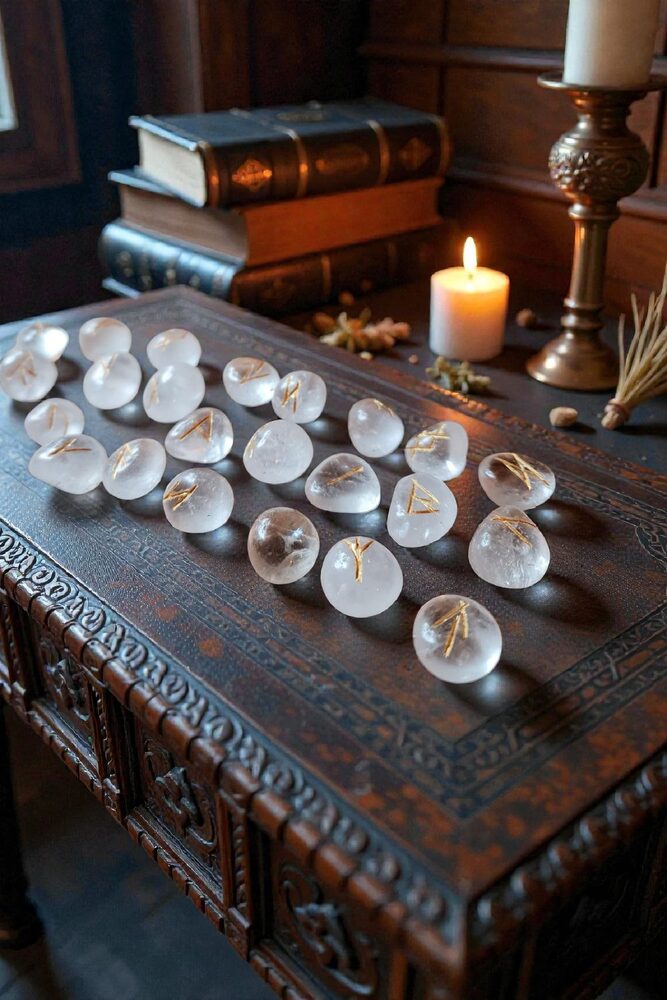
There is more in the great overview Germanic Peoples, Celts & Slavs – and on the dedicated page about the Celts in the family tree.
All History & Finds articles →
Without their ships the Vikings would never have become Vikings. The longship was the high technology of its time …
Read more →It is not two centimetres tall and weighs nine grams – and yet it set off one of the most exciting debates in Norse …
Read more →To a farmer from Uppland, „the great city" was as unimaginable as another planet. Constantinople had walls that fire …
Read more →Whoever won did not always keep the spoils. In the Roman Iron Age, Germanic victors sank the entire equipment of …
Read more →