Three great families of peoples, a thousand years of migration and a faith we sense more than we know. With a clickable family tree – and an honest separation of myth from evidence.
Picture Central Europe two thousand years ago: no Germany, no Poland, no fixed borders. Instead a patchwork of tribes that came and went, formed alliances, fell out and reinvented themselves. "The Germanic peoples" are in truth not one people but a drawer that outsiders pulled open. That is exactly what makes the subject so fascinating – and it demands that we stay honest.
Below, the shared Indo-European root, and from it three mighty branches: Celts, Germanic peoples and Slavs. Tap a group and you land on its own detailed page. Below each you'll find every individual tribe – one click takes you straight to the article.
Let us begin with a disappointment: nobody stood on the Rhine and shouted "We are Germanic!". The term was brought into play by others. The earliest use is attributed to the Greek Poseidonius (1st c. BC) – though his work is lost and survives only in later quotations; the earliest fully preserved use is found in Julius Caesar, who summarily declared the peoples east of the Rhine to be "Germani" and so turned the word into the great organising idea.
We owe the most to Tacitus (Germania, around AD 98). He even reveals that "Germani" was originally only the name of a single tribe (the Tungri), which the victors then imposed on everyone. Where does the word come from? Unclear, probably Celtic.
The trail leads north. In the Nordic Bronze Age (c. 2000–500 BC) the Germanic proto-language probably emerged; the Germanic becomes clearly graspable with the Jastorf culture (from c. 6th c. BC). Rule of thumb: from about 500 BC one may speak of Germanic languages – the name "Germani" only appears centuries later.
Caesar drew a clean line on the Rhine: Celts to the left, Germanic peoples to the right. Nice and tidy – and largely invented. Caesar himself knew of "Germani" west of the Rhine, and the word "Germanic" is moreover probably Celtic. Who the Celts were – Helvetii, Aedui, Arverni, Carnutes – you can read on the page The Celts.
The Germanic peoples told themselves a fine origin story: all descended from the god Mannus, son of the earth-born Tuisto. His sons became the ancestors of three groups:
Ingaevones (on the coast) · Herminones (inland) · Istaevones (the rest).
North Germanic – Danes, Swedes, Norwegians: from them came the Vikings.
West Germanic – the great middle: Suebi, Saxons, Franks, Frisians, Chatti, Cherusci (Arminius!), Batavi, Ubii (Cologne).
East Germanic – the wanderers: Goths, Vandals, Burgundians, Gepids, Heruli.
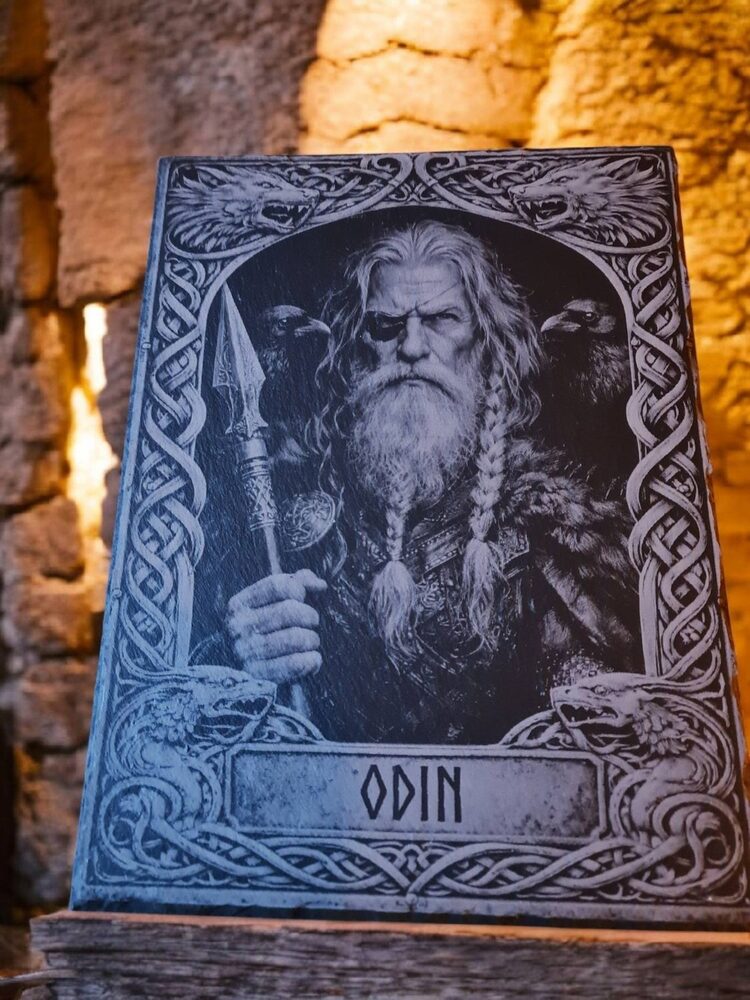
As the Germanic peoples moved west and south during the Migration Period, the Slavs filled the east of Central Europe. Around 600 they reached the Elbe-Saale line – a Germanic-Slavic border now ran right through what is today Germany. Three branches:
West Slavs – Poles, Czechs and the Polabians/Wends: Sorbs (in Lusatia to this day!), Obotrites, Lutici, the Rani of Rügen.
East Slavs – the roots of Russians, Ukrainians and Belarusians; out of them grew the Kievan Rus.
South Slavs – Serbs, Croats, Slovenes and the Slavicised Bulgars in the Balkans.
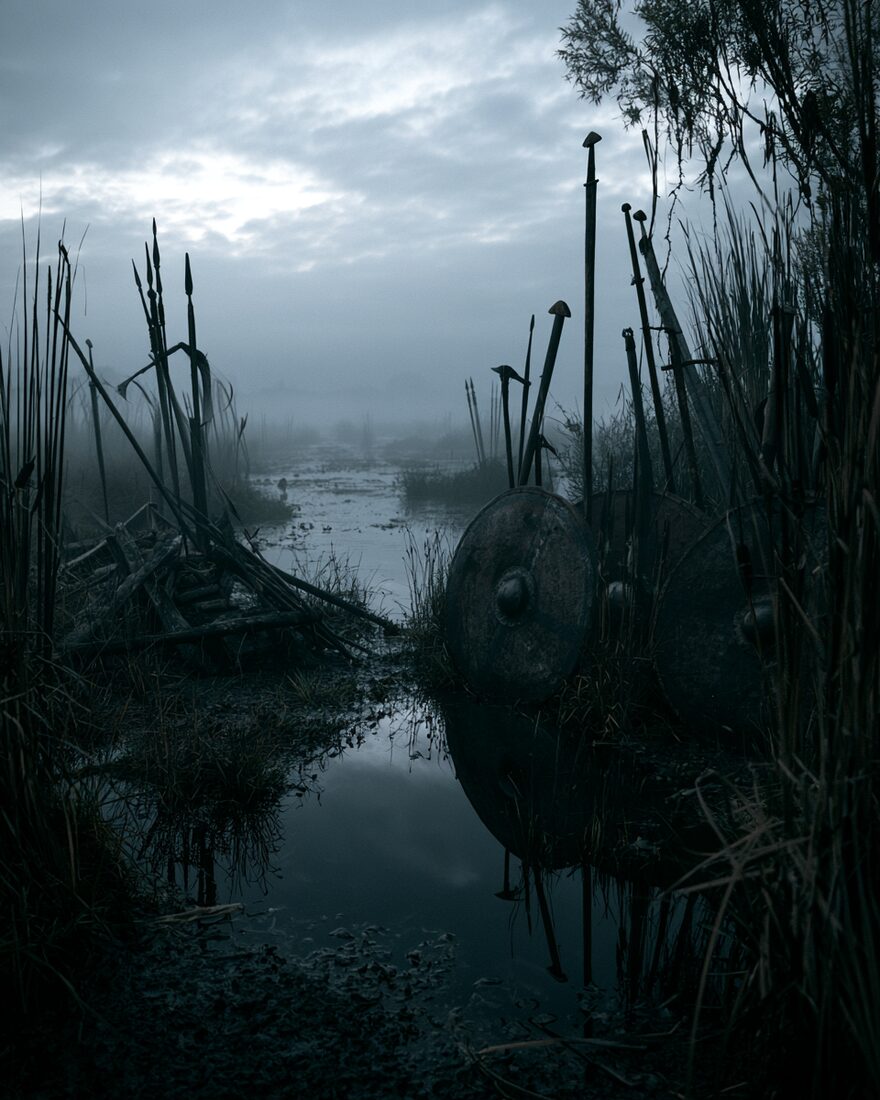
A finished "Germanic pantheon" exists in that form only for the Norse faith – and that was written down only in Christian Iceland. For the continental Germanic peoples, and even more so for the Slavs, we have only fragments, described by people who were just then trying to abolish these gods.
Tacitus names the Germanic gods with Roman names: Mercurius = Wodan, Hercules = Donar, Mars = Tiw. We carry the proof with us every week: the days of the week – Tuesday (Tiw/Ziu), Wednesday (Wodan, English Wednesday), Thursday (Donar/Thor), Friday (Frija/Frigg).
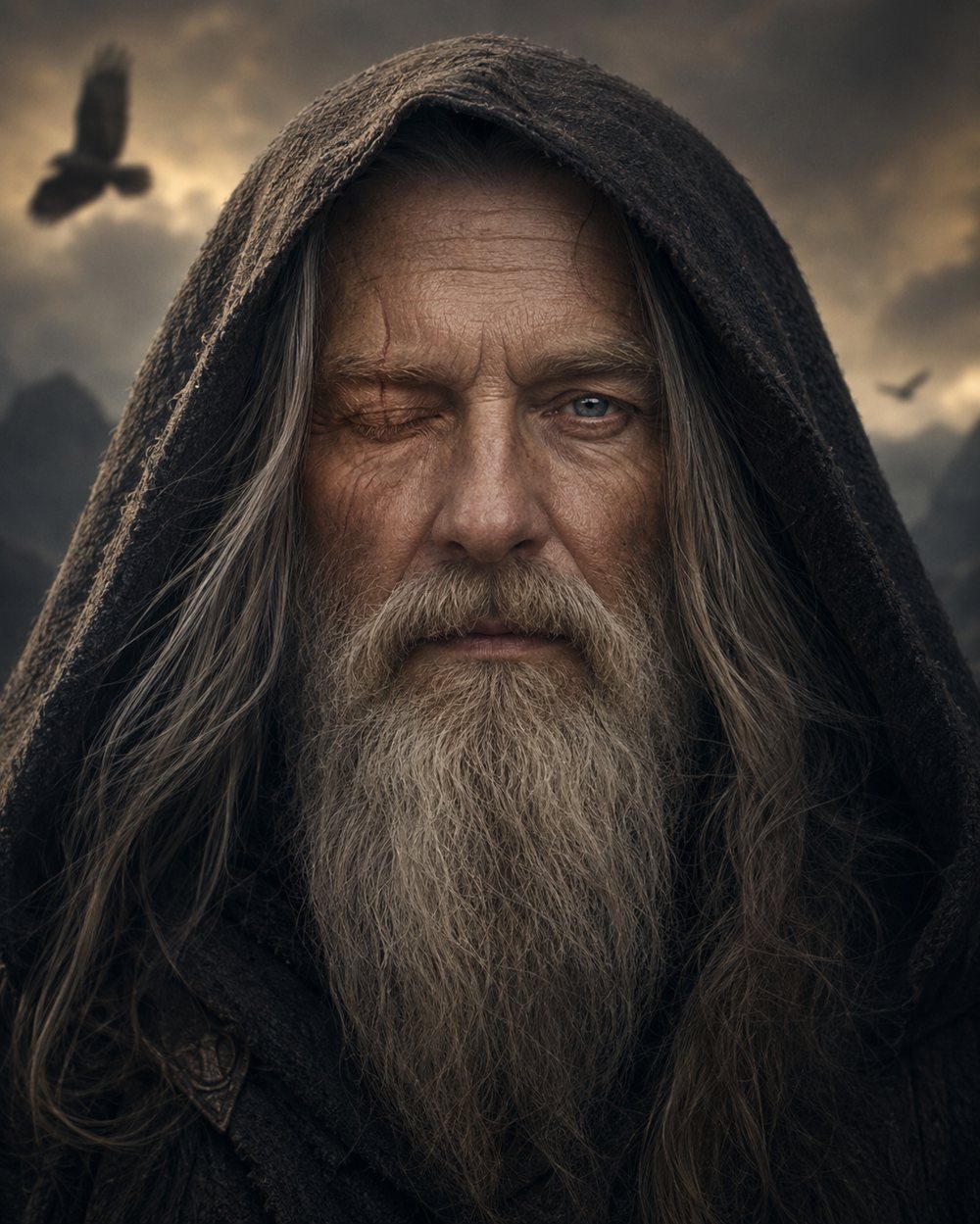
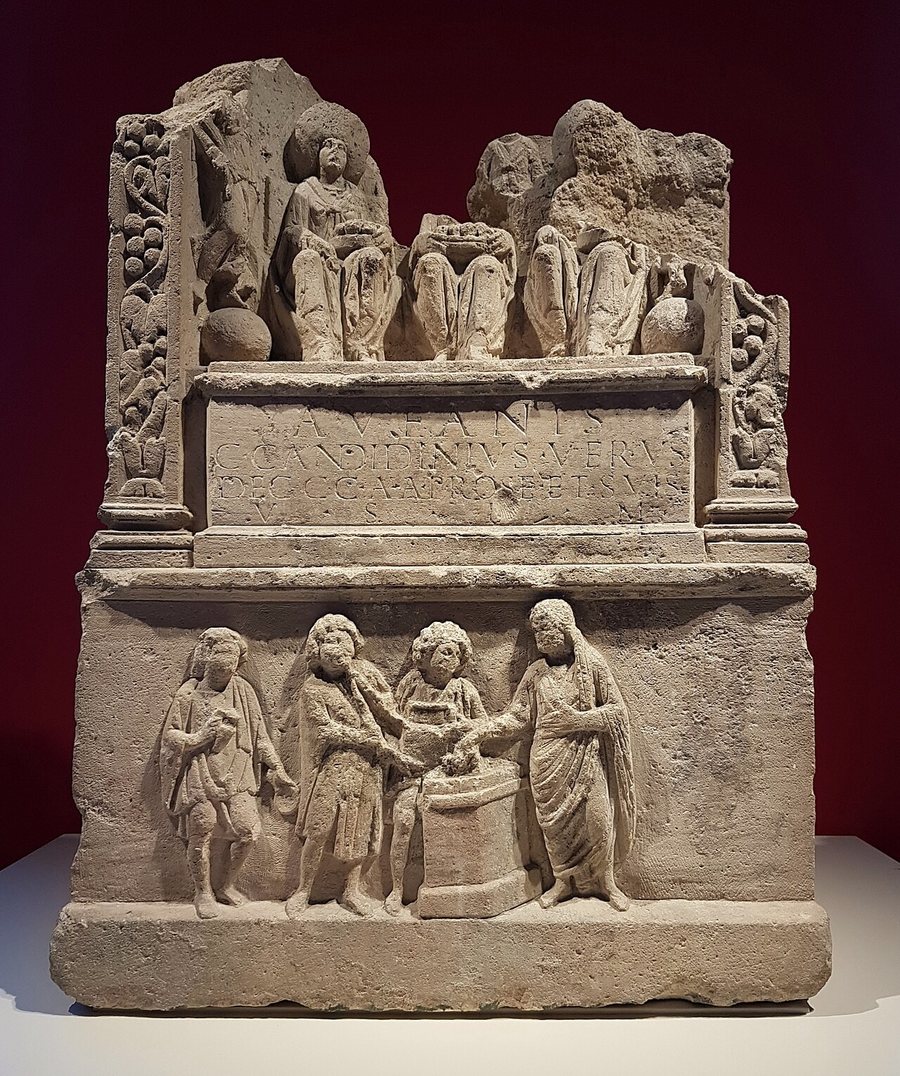
Many we know only from a single line: Nerthus, the earth mother; the "Isis" of the Suebi; the twins Alcis; the goddesses Tamfana and Baduhenna. Hard evidence, by contrast, comes from the Rhenish Matronae – triple mother goddesses on hundreds of altars, most densely around Cologne, Bonn and in the Eifel – and from the Merseburg Charms, the only pagan verses in the German language.
With the Slavs the situation is thinner still – there is no Slavic "Edda". Even so, certain figures stand out: Perun, the god of thunder and sky; Veles, the god of cattle, oaths and the underworld; and besides them Svarog, Dazhbog, Stribog and the goddess Mokosh. One peculiarity: the West Slavs built temples and carved many-headed idols – the four-faced Svantevit of Arkona, the three-headed Triglav of Szczecin.
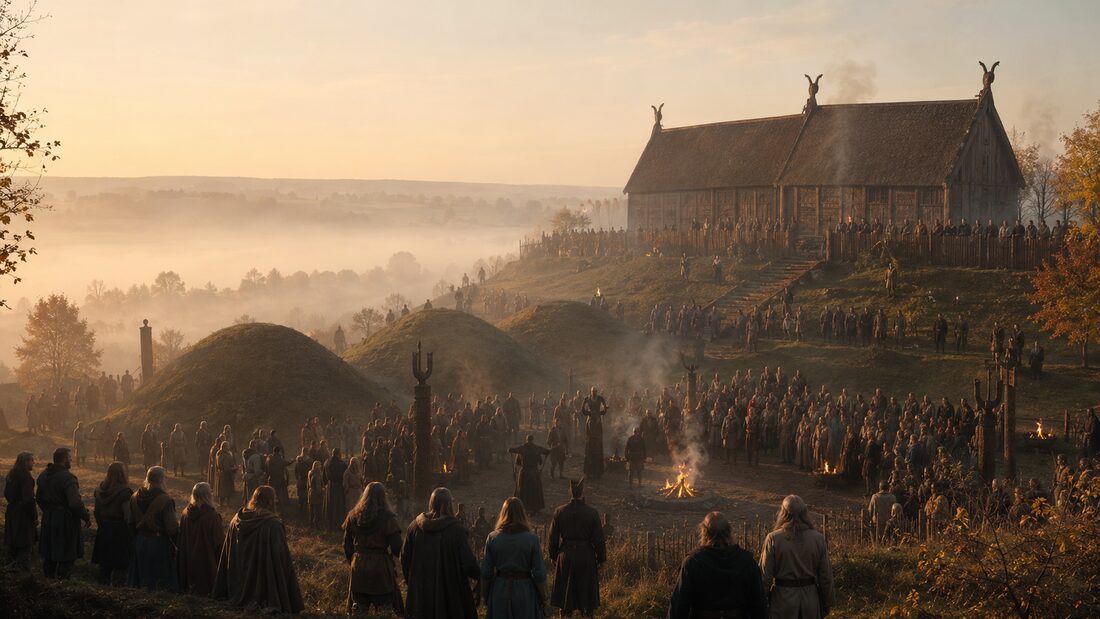
Astonishingly many gods are the same across the language borders – they merely wear different clothes (Proto-Germanic forms with *):
| Role | Roman | Proto-Germanic | Mainland | Norse | Slavic | Baltic |
|---|---|---|---|---|---|---|
| Chief god / magic / death | Mercurius | *Wōðanaz | Wodan | Óðinn | — | — |
| Thunder / protection | Hercules / Jupiter | *Þunraz | Donar | Þórr | Perun | Perkūnas |
| Sky / law / war | Mars | *Tīwaz | Tiw / Ziu | Týr | (Svarog?) | Dievas |
| Love / marriage (goddess) | Venus | *Frijjō | Frija | Frigg | Mokosh | Laima |
| Fertility / forefather | — | *Ingwaz | Ing | Yngvi-Freyr | (Dazhbog) | — |
| Earth / mother | (Terra Mater) | *Nerþuz | Nerthus | Njörðr (male!) | Mat Syra Zemlya | Žemyna |
A common Indo-European heritage runs through Germanic peoples, Slavs and Balts alike – most clearly the thunder god with the oak. Much else is regional and late: Aesir and Vanir, Yggdrasil and the fully painted Ragnarök are above all Norse. There was never one Germanic or Slavic religion, but many varieties.
And what remains? A great deal: shared names of gods from the Rhine to the Volga, a common world of legend and the honest wonder at how much lies in the mist. It is exactly this piece of forgotten homeland that we engrave – with respect for our forebears.
Antiquity: Tacitus (Germania, Annals); Caesar; Pliny; Jordanes; for the Slavs Procopius, Thietmar of Merseburg, Helmold of Bosau, Saxo Grammaticus, the Primary Chronicle. Scholarship, among others: Simek, de Vries, Ellis Davidson, Pohl, Goffart, Steuer, Brather. Map: public-domain Natural Earth outlines (CC0). All contested points are marked above as "myth" or as uncertain.
You'll find detailed individual portraits of tribes, peoples and beliefs in our blog articles:
The Manimi · The Silingi · The Helisii · The Nuithones · The Suarines · The Aviones · The Reudigni · The Eudoses · The Sedusii · The Helvecones · The Harudes · The Marsigni · The Sturii · The Frisiavones · The Tungri · The Mattiaci · The Baetasii · The Sunuci · The Fosi · The Dulgubnii · The Chasuarii · The Cugerni · The Tubantes · The Geats · The Thuringians · The Atuatuci · The Nerthus League · The Texuandri · The Canninefates · Cherusci & Arminius · The Chatti · The Chauci · The Suebi · The Marcomanni · The Quadi · The Lombards · The Alemanni · The Hermunduri · The Batavi · The Bructeri · The Marsi · Cimbri & Teutones · The Rugii · The Heruli · Veleda the Seeress · Vikings in Germany · North Frisian Ring Forts · The Ubii · The Saxons · The Goths · The Frisians · The Vandals · The Burgundians · The Sugambri · Tencteri & Usipetes · The Angles · The Jutes · The Warni · The Gepids · The Sciri · The Nemetes · The Vangiones · The Franks · The Triboci · The Chamavi · The Bastarnae · The Gutones · The Semnones · The Lugii · The Nahanarvali · The Ampsivarii · The Angrivarii · The Juthungi · The Chattuarii · The Suiones · The Aestii · The Sitones · The Cotini & Osi · The Buri · The Naristi
Germanic Religion · Tiwaz – the Oldest God · Wodan, Donar & Ziu · Interpretatio Romana · The Irminsul · The Matronae · Christianisation of the Germani · Mars Thingsus & the Alaisiagae · Hercules Magusanus · Tanfana · Baduhenna · Germanic Priests & Seeresses · Germanic Sacrifice & Sanctuaries · Germanic Weekdays · Frija · The Merseburg Charms · Germanic Oracles · Germanic Idols & Images · Gods in Place Names
The Cenomani · The Lexovii · Caesar's Aquitanian List · The Bigerriones · The Garumni · The Ausci · The Anartes · The Segusiavi · The Tarbelli · The Gabali · The Convenae · The Vellavii · The Helvii · The Caleti · The Sotiates · The Veliocasses · The Eburovices · The Mandubii · The Osismii · The Suessiones · The Bellovaci · The Sequani · The Redones · The Vaccaei · The Turones · The Petrocorii · The Ruteni · The Vocontii · The Salluvii · The Eburones (Ambiorix) · The Treveri · The Nervii · The Helvetii · The Boii · Celtic Princely Graves · Celtic Warriors · The Arverni · The Aedui · The Senones · The Carnutes · The Veneti · The Parisii · The Remi · The Allobroges · The Volcae · The Bituriges · The Santones · The Menapii · The Lingones · The Pictones · The Cadurci · The Britons · The Galatians · The Celtiberians · The Insubres · The Morini · The Atrebates · The Britons · The Caledonians · The Silures · The Brigantes · The Ordovices · The Taurisci · The Vindelici · The Scordisci · The Iceni · The Catuvellauni · The Dumnonii · The Lemovices · The Namnetes
Celtic Religion · The Druids · Cernunnos · Belenus · Esus · The Morrígan · Lugh · Taranis · Teutates · Brigid · Epona · Nehalennia · Ogham Script · Nemeton – Sacred Grove · Celtic Festivals · Samhain
The Nisans · The Goplans · The Nitrans · The Masovians · The Kuyavians · The Stodorans · The Ukranians · The Dziadoszanie · The Golensizi · The Bobrzanie · The Brizani · The Pyritzans · The Zlicans · The Slensanes · The Lusici · The Lendians · The Lebusians · The Opolans · The Wilzi · The Redarii · The Tollensane · The Slovincians · The Kessini · The Moravians · The Milceni · The Polabians · The Abodrites · The Liutizi · The Rani (Rügen) · The Sorbs · The Hevelli · The Pomeranians · The Wagrians · The Sprevane (Spree/Berlin) · The Polans · The Kashubians · The Vistulans · The Czechs (Bohemia) · The Daleminzi · The Circipani
The Ulichi · The Tivertsi · The Polans · The Radimichs · The Vyatichi · The Severians · The Drevlians · The Krivichs · The Ilmen Slavs · The Rus (Novgorod/Kiev) · The Dulebs · The Dregovichi · The Buzhans · The Volhynians
The Narentines · The Smolyans · The Baiounitai · The Belegezites · The Berzites · The Rhynchinoi · The Strymonites · The Sagudates · The Drougoubitai · Melingoi and Ezeritai · The Slavs of Bulgaria · The Carantanians · The Croats · The White Croats · The Serbs · The Dukljans · The Zachlumians · The Travunians · The Timočani