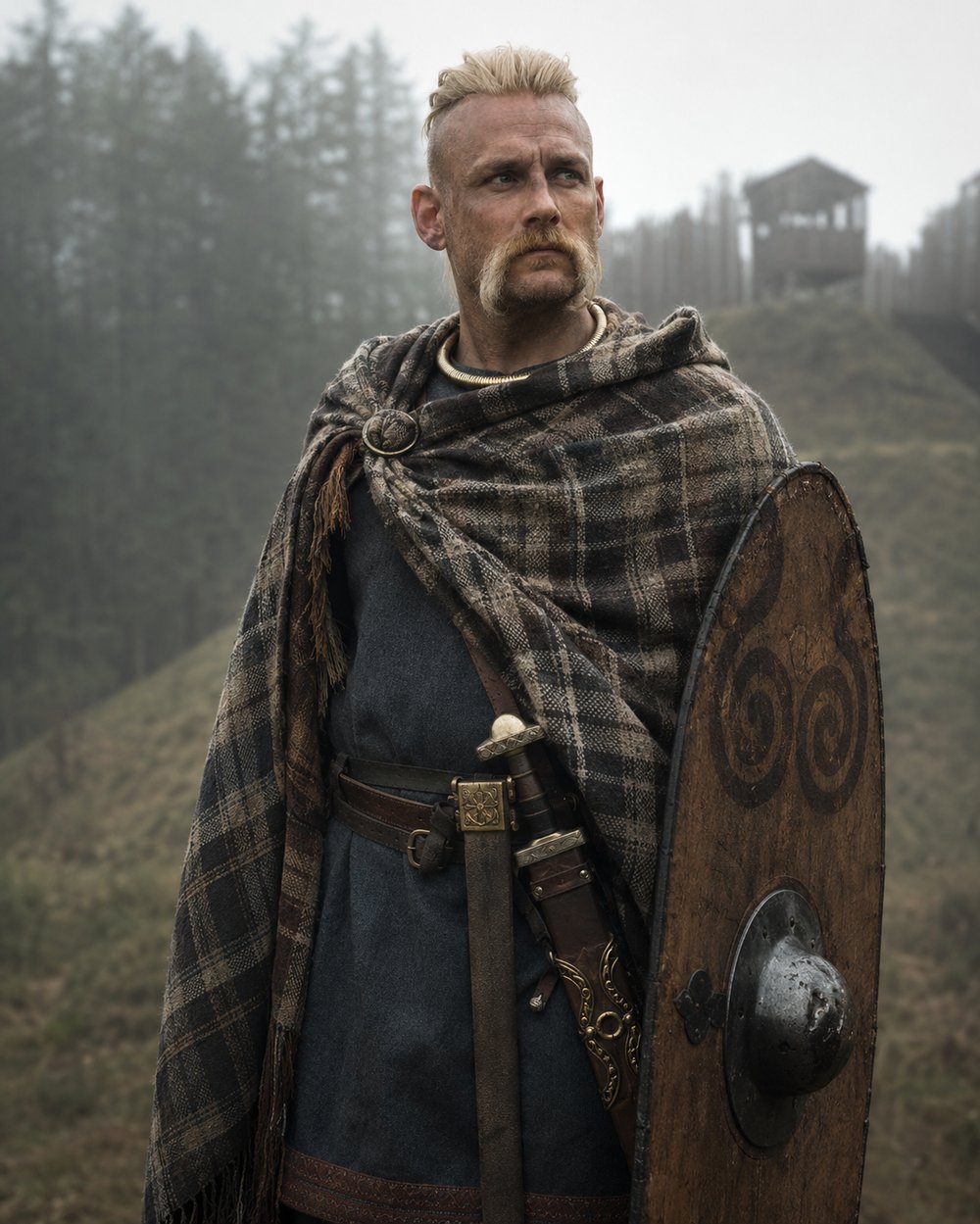
 A powerful Gaulish tribe called a Germanic warlord to its aid – and thereby opened the door for Caesar. The Sequani stand at the beginning of the Gallic War.
The Sequani were a powerful Celtic tribe in the east of Gaul, in today's Franche-Comté between the Saône, the Doubs and the Jura. Their chief town was Vesontio, today's Besançon. They play a key role in one of the most consequential episodes of antiquity: their call for aid to a Germanic warlord became the trigger for Caesar's intervention in Gaul.
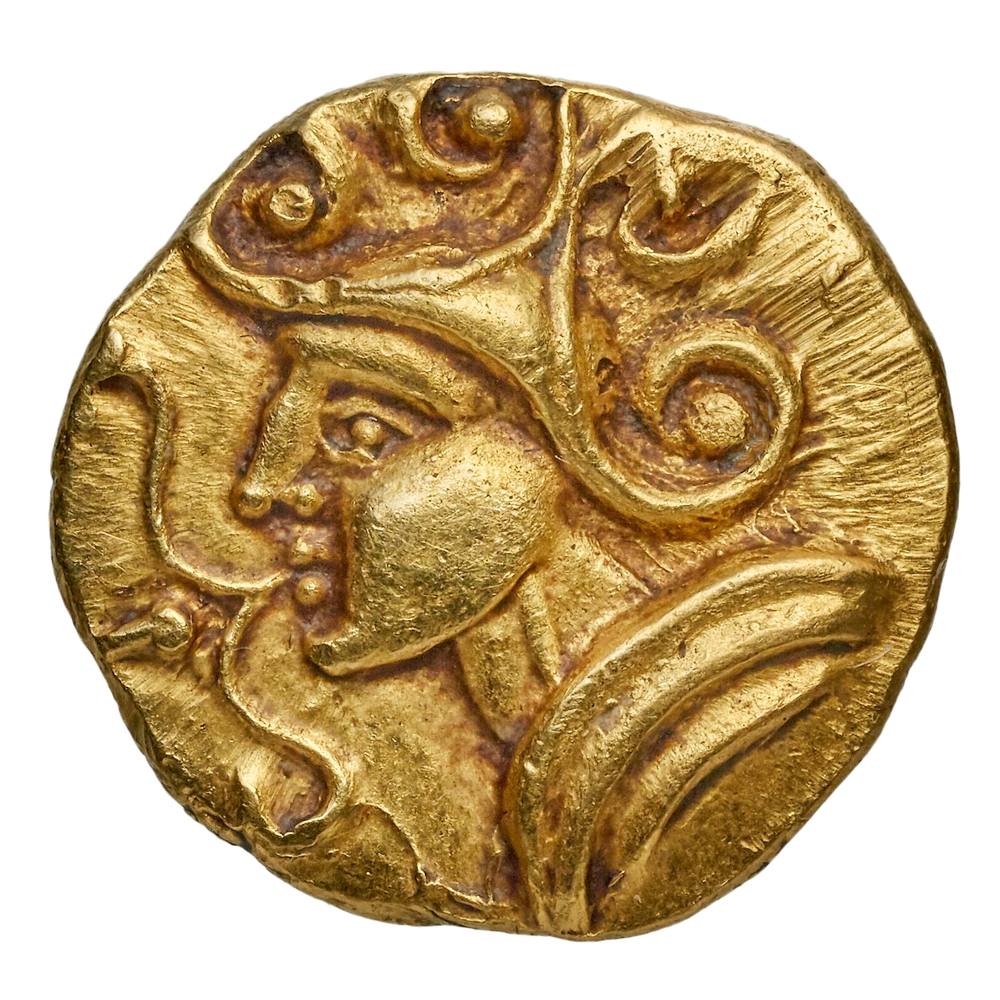
The land of the Sequani was rich and strategically important. It controlled the trade route between the Rhône valley and the Rhine, and the tolls on the Saône brought the Sequani considerable income. Their chief town Vesontio lay protected in a river loop of the Doubs, surrounded by mountains – Caesar describes it as a fortress almost impregnable by nature. Wealth and position made the Sequani one of the most important tribes of Gaul.
The Sequani lay in bitter enmity with their neighbours, the powerful Aedui, who were allied with Rome. At stake was supremacy in Gaul and control of the Saône tolls. In this power struggle the Sequani resorted to a fateful means: they called a Germanic warlord from beyond the Rhine to their aid – Ariovistus, king of the Suebi.
With Ariovistus' Germanic warriors the Sequani defeated the Aedui. But the victory became their undoing. Ariovistus demanded land as reward and let ever more Germani come across the Rhine; soon he ruled the Sequani who had called him. Caesar reports that the Sequani in the end bore a worse lot than the defeated Aedui – for they had to endure the foreign lord in their own land. The call for aid had turned into subjugation.
It was exactly this situation that Caesar used. In 58 BC he marched against Ariovistus – officially to free Gaul from the Germanic threat, in reality to gain a foothold in Gaul himself. In a great battle (near today's Alsace) he defeated Ariovistus and drove the Germani back across the Rhine. Thus began Caesar's conquest of Gaul. The Sequani, who had triggered the whole conflict, became bit-players in a war that would swallow all of Gaul.
A famous episode plays out at Vesontio: when Caesar's legions camped there and rumours circulated about the gigantic strength and ferocity of the Germani, panic broke out among the Roman soldiers. Caesar had to calm his men first with a great speech before they marched against Ariovistus. This scene shows what terror the Germani aroused in the Roman mind – and makes Vesontio, the chief town of the Sequani, a stage of ancient history.
Like almost all of Gaul, the Sequani too later joined the great revolt of Vercingetorix (52 BC). After the defeat at Alesia they too had to acknowledge Roman rule definitively. Vesontio became a Roman city and remained an important centre; its name lives on in Besançon, the capital of the Franche-Comté.
The Sequani are the tribe whose politics unintentionally made world history. Their call for Ariovistus – an attempt to win the inner-Gaulish power struggle – opened Caesar's door into Gaul and set in motion the end of Celtic independence. Their history is a lesson on the danger of calling foreign powers into one's own conflicts. For an honest picture of the Celts, the Sequani show that Gaul failed not through Roman superiority alone but also through its own discord.
The main source is Caesar (De bello Gallico I), who describes the Sequani, Ariovistus and the battle at length – though as perpetrator and chronicler at once, with clear self-interest. Strabo and others supplement this. The picture is completed by the archaeology of Vesontio/Besançon. We keep evidence and interpretation apart: rivalry with the Aedui, the call for Ariovistus and Caesar's victory are well attested; Caesar's motives and figures must be read with caution, since he stylised his role as liberator.
The true power of the Sequani rested on trade. Over the Saône and the Doubs ran an important part of the traffic between the Mediterranean and the Rhineland; the tolls the Sequani levied on these waterways made them rich. It was exactly over these revenues and the supremacy tied to them that they quarrelled with the Aedui. The conflict was thus no mere neighbourly dispute but a struggle for economic dominance in eastern Gaul – with fatal consequences when the Sequani brought Ariovistus into play.
The chief town Vesontio was a masterpiece of nature and fortification. The Doubs encloses the town hill in an almost complete loop; only a narrow access remained, easy to block. Caesar specially emphasises this position. Under Rome Vesontio became a flourishing Gallo-Roman city with a theatre, a triumphal arch (the "Porte Noire") and rich building. As Besançon the place remained important over the centuries – to this day the citadel above the Doubs loop is a landmark and UNESCO World Heritage. The tribal name of the Sequani lives on in the city and the region.
The history of the Sequani carries a timeless lesson: whoever calls a foreign power into their own quarrel often loses in the end themselves. The Sequani wanted to defeat the Aedui with Ariovistus' help – and were subjugated by their own ally. When they finally let themselves be freed from Ariovistus under Caesar, they only exchanged one foreign lord for the next. Their example stands for the basic problem of divided Gaul: not the strength of Rome alone, but the disunity of the Gaulish tribes opened Caesar's way to conquest.
"The Sequani bore the saddest lot of all: Ariovistus had occupied their land and seized a third of it for himself."after Caesar, De bello Gallico I (public domain, own translation)
The Aedui · The Arverni · The Helvetii.
All History & Finds articles →
Silver was the lifeblood of Viking trade – weighed, chopped up, buried. Three of the greatest hoards show how far the …
Read more →