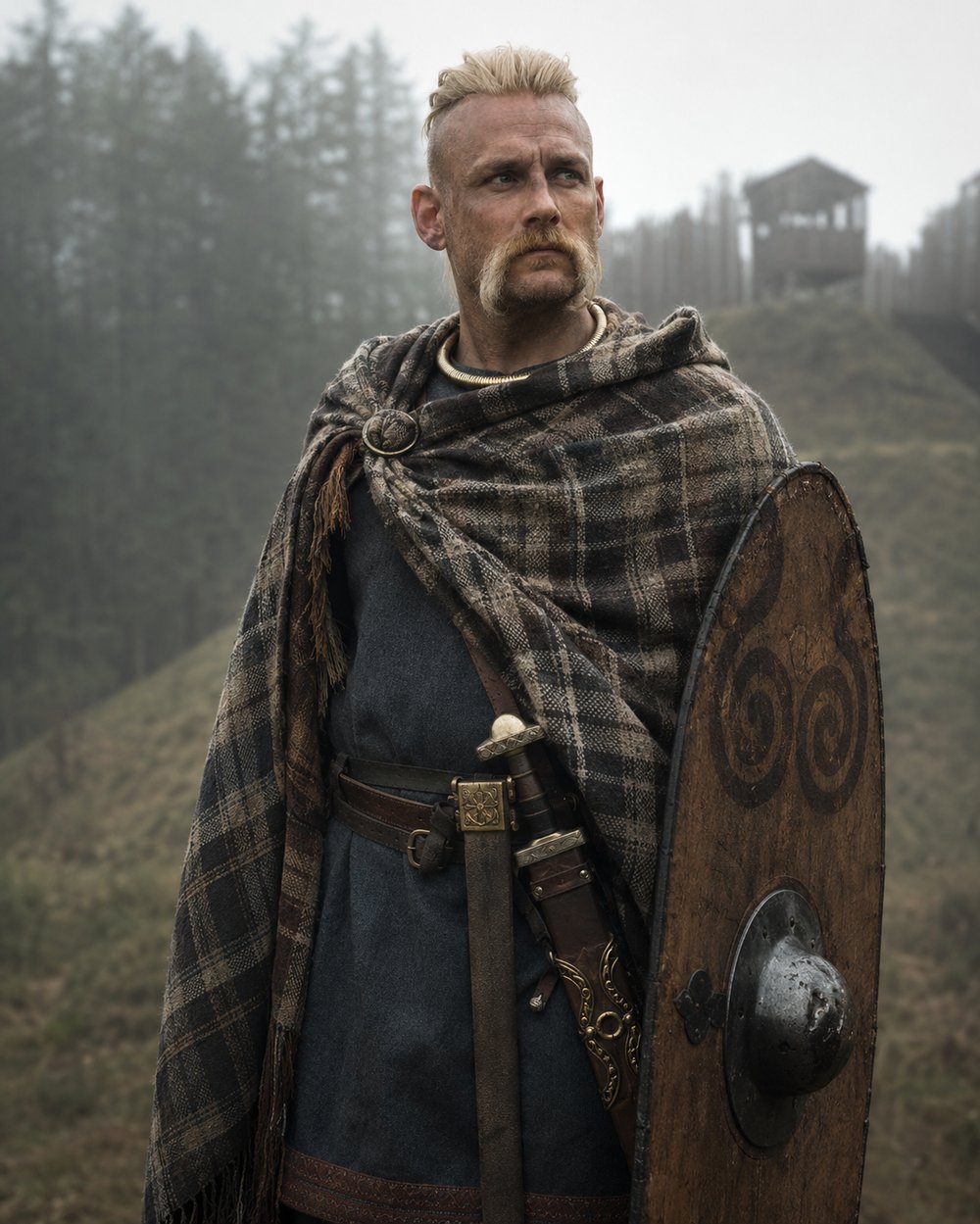
The Arverni were one of the mightiest Celtic peoples of Gaul, settled in today's Auvergne. Before the Roman conquest they contended with the Aedui for supremacy in Gaul.
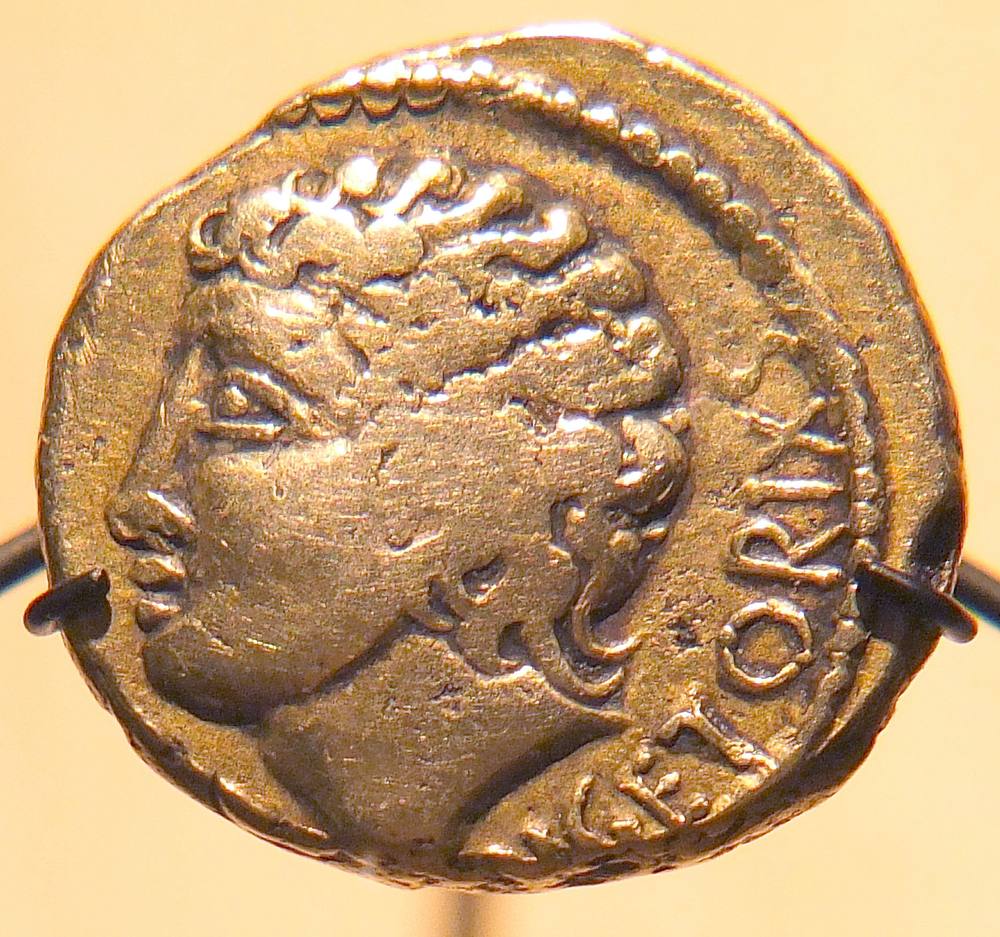
In 52 BC the young Arvernian prince Vercingetorix rose against Rome – and achieved what none had before: he united the quarrelling tribes into a common revolt. With scorched-earth tactics he put Caesar in serious difficulty.
At Gergovia Vercingetorix even beat Caesar. But in the fortress of Alesia he was besieged; Caesar's double ring of siege works held even against the huge Gallic relief army. Vercingetorix surrendered to save his people – and was executed years later in Rome.
"Of all these the Belgae are the bravest … yet Gaul rose as a whole."freely after Caesar, The Gallic War (public domain, own translation)
The Arverni were one of the most powerful Celtic tribes of Gaul, in the highlands of today's Auvergne. Before the Roman conquest they claimed for a time supremacy over wide parts of Gaul – a real great power of the Celtic world.
Their most famous son was Vercingetorix, who in 52 BC united the quarrelling Gaulish tribes for the great revolt against Caesar. He is the symbolic figure of the Gaulish fight for freedom par excellence.
At Gergovia, the chief town of the Arverni, Vercingetorix dealt Caesar one of his few defeats. But at Alesia he was finally besieged and had to surrender – the end of free Gaul.
Vercingetorix nearly fell into oblivion – until the 19th century raised him to a French national hero. Emperor Napoleon III had a monument built to him. Thus an Arvernian prince became a symbol of the French nation.
The Arverni stand for the last great fight for freedom of the Celts. Continue with their rivals, the Aedui, and the Senones.

The Aedui · The Senones · The Celtic Warriors · The Helvetii · The Druids.
All History & Finds articles →
High above the world of humans, beyond the burning rainbow bridge, lies Asgard – the fortified home of the Æsir. It is …
Read more →Almost 1,500 years before the first Germanic peoples entered Roman history books, a highly developed Early Bronze Age …
Read more →