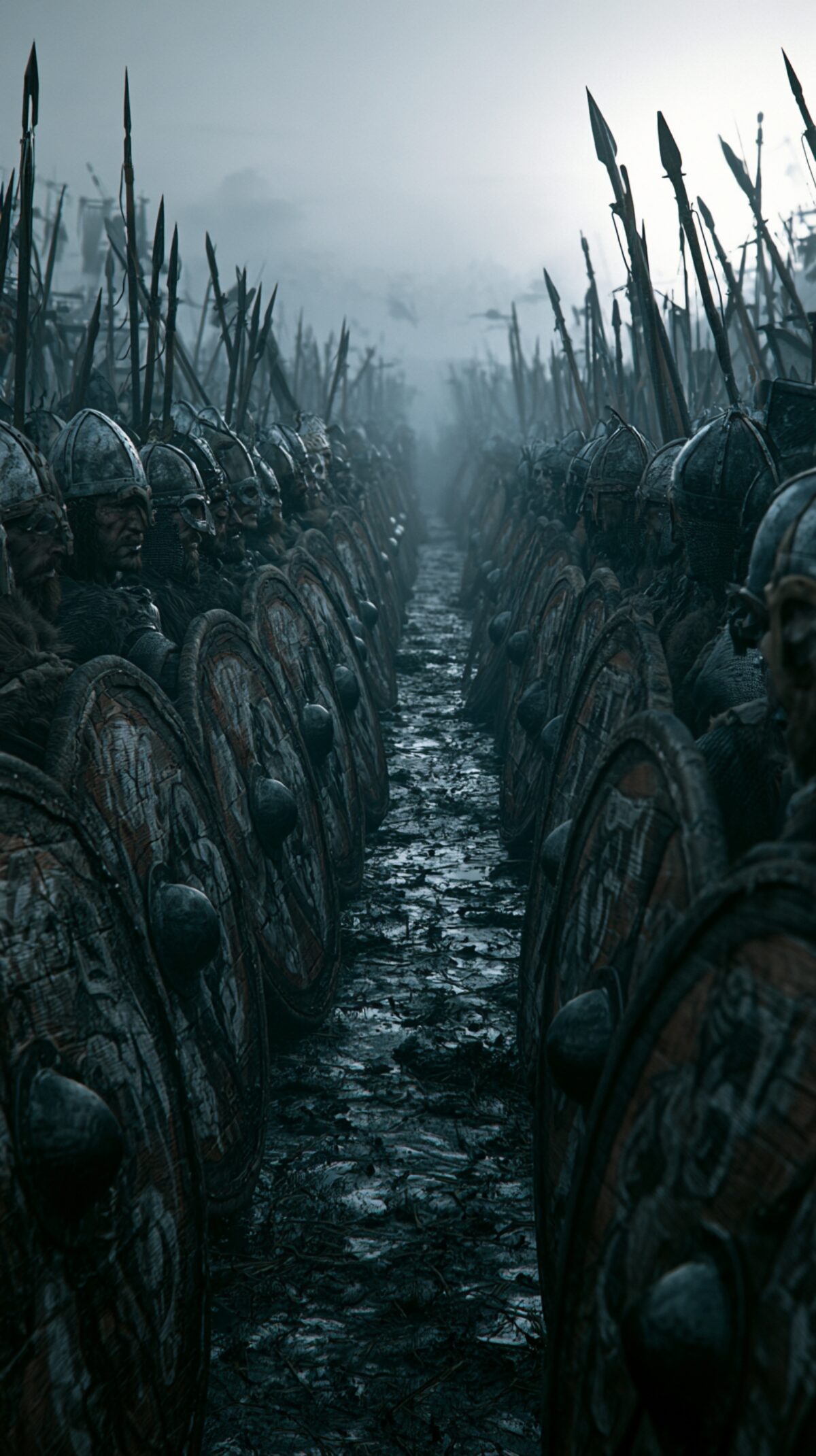
The Batavi settled in the delta of the Rhine and Maas, in today's Gelderland/Netherlands – right on the northern border of the Roman Empire. Tacitus describes them as the bravest branch of the Germanic tribes of this area, related to the Chatti.
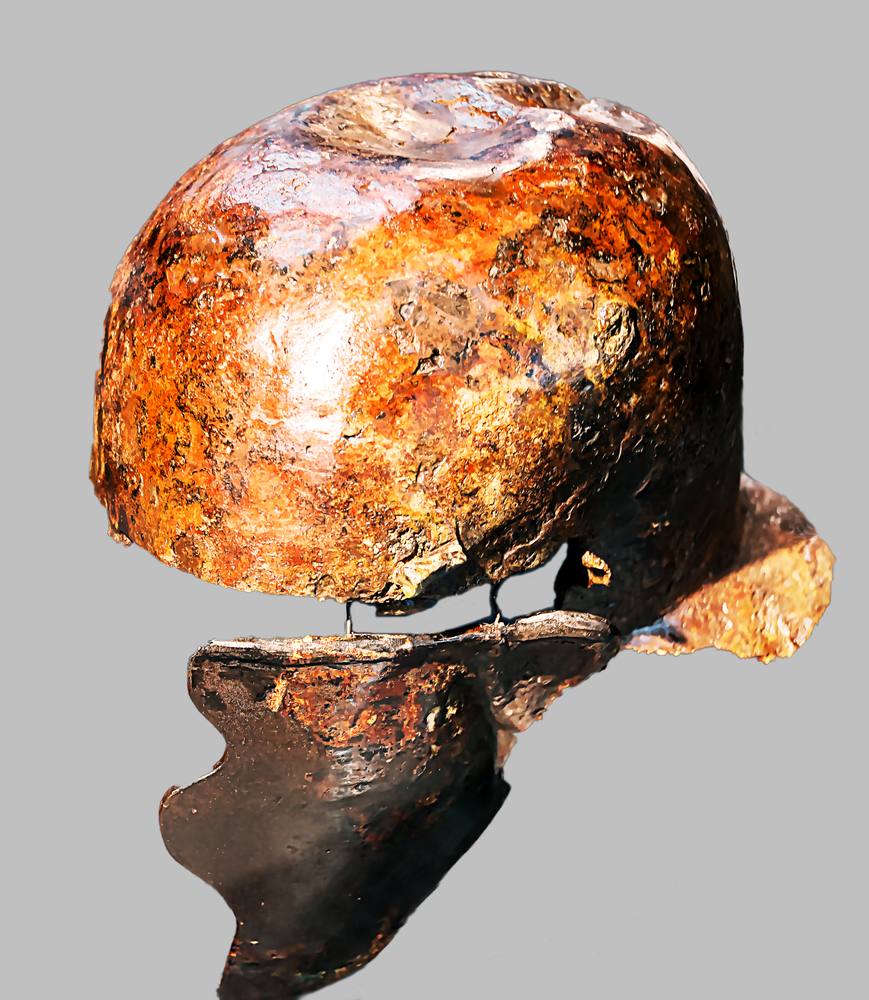
Their most important god was Hercules Magusanus – a Germanic god worshipped under a Roman name (Hercules), attested by numerous votive stones on the Lower Rhine. He shows how the interpretatio Romana worked: a native god, a Roman cover name. This places the Batavi in the same Rhineland world of belief as the Matronae and Nehalennia.
"Wits must he have who wanders wide, but all is easy at home."Hávamál 5, after Henry A. Bellows 1923 (public domain)
The Batavi were a Germanic tribe in the Rhine delta, in today's Netherlands – on the "island of the Batavi" between the arms of the Rhine. Though small, they became for Rome one of the most important allies on the Lower Rhine.
The Batavi were famous as horsemen and soldiers. They supplied Rome with highly valued auxiliaries who could even swim through deep rivers without losing their order. Batavi served in the imperial bodyguard – a sign of the highest trust.
When Rome pressed them too hard, the Batavi rose under Iulius Civilis in the great revolt of AD 69/70. For a time almost the whole north-west was in flames. Only after heavy fighting could Rome restore order.
The chief god of the Batavi was Hercules Magusanus, to whom numerous votive stones were dedicated on the Lower Rhine. Here too the close connection of Germanic origin and Roman culture in our region shows.
The Batavi show the truth of the Rhine frontier: Germanic peoples and Rome were no separate worlds, but neighbours, allies and adversaries at once – with their own gods under Roman names.
Interpretatio Romana · The Matronae · Nehalennia · The Cherusci & Arminius · Germanic Religion.
All History & Finds articles →
Between the world of humans and the world of the gods a bridge of light is stretched: Bifröst, the rainbow. It is the …
Read more →Long before the Edda was written down, the people of Gotland told their stories in stone – in images that still puzzle …
Read more →Since 1878, Birka’s grave Bj 581 had been the textbook example of a high-status Viking warrior – the „ultimate Viking" …
Read more →Sometimes history is found not with the spade but with the computer. For a long time four of Harald Bluetooth's famous …
Read more →