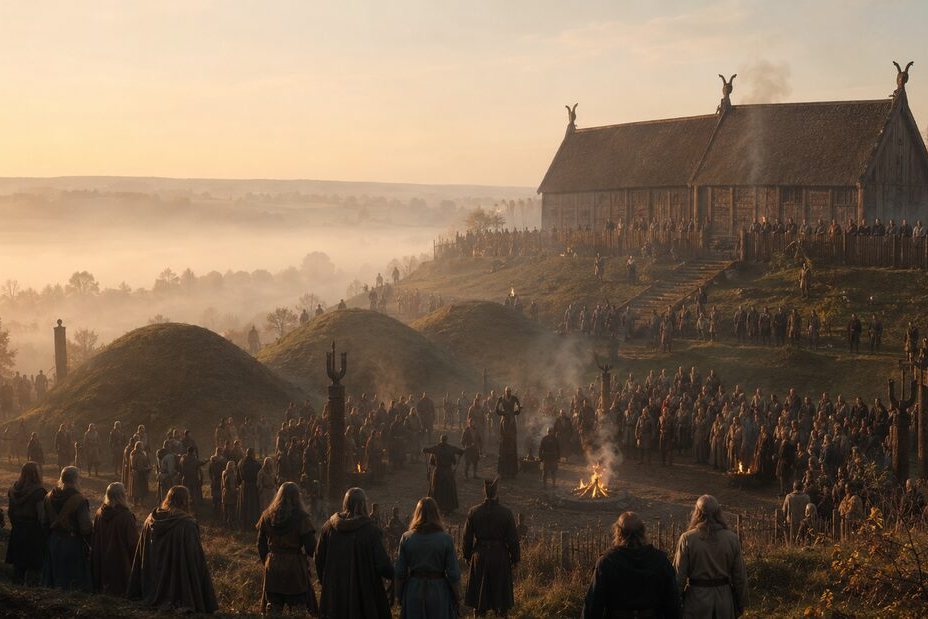
The Chatti settled along the Eder, Fulda and upper Weser, in the core of what is now northern Hesse. Tacitus devotes a whole chapter of the Germania to them and paints them as something special among the Germanic peoples: not a wild band of daredevils, but a people of order, endurance and almost Roman discipline.
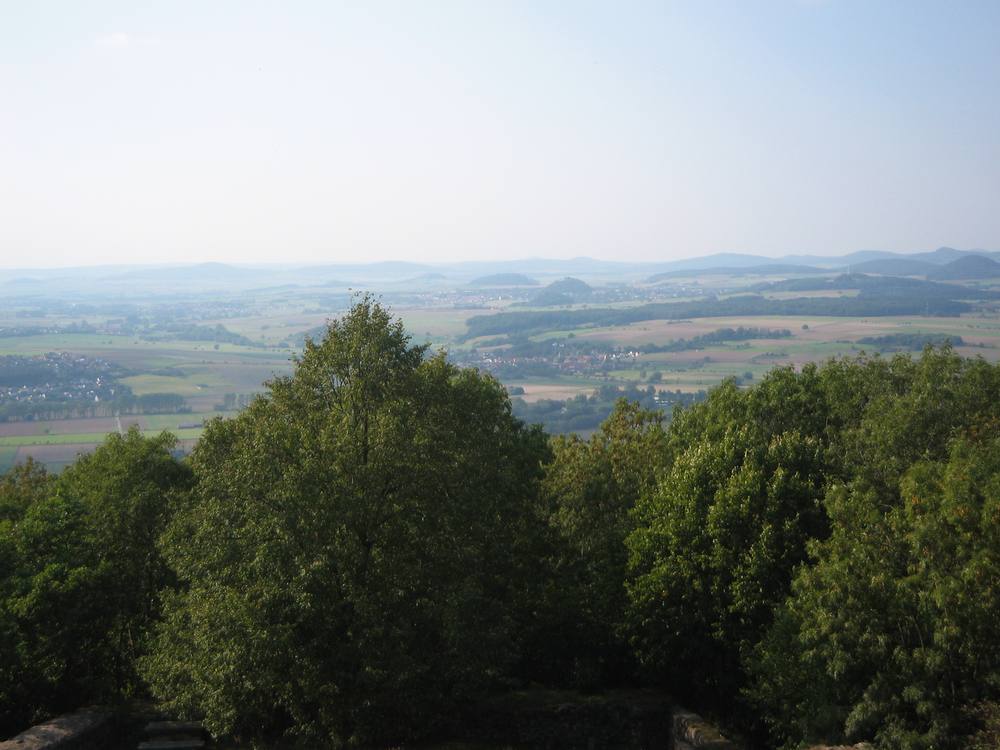
Tacitus stresses that the Chatti fought methodically: firm ranks, chosen leaders, orders that were obeyed. They relied more on the foot soldier than on the impetuous individual, carried tools and provisions with them, and waged war like a campaign, not a raid.
"Other Germanic peoples go into battle, the Chatti go into war."after Tacitus, Germania 30 (public domain, own translation)
One unusual custom struck the Romans: young Chatti let their hair and beard grow and shed this look only once they had slain their first enemy. Some wore an iron ring like a fetter until the same deed "released" them – a visible vow of courage. Tacitus describes them as rough, resolute men who sought the fight, not peace.
Their chief settlement was called Mattium by Tacitus – exactly where it lay is still uncertain (candidates lie around Fritzlar/Gudensberg). Germanicus laid it waste in 15 AD. The Chatti remained a thorn in Rome's side for generations: they raided Roman territory, warred against neighbouring tribes such as the Hermunduri (over a sacred salt site), and appear in the sources for centuries.
The most remarkable thing about the Chatti is their afterlife in a name: through sound change (Chatti → Hatti → Hassi → Hessen) Chatti became the name of the Hessians. Anyone living today in Kassel, Fritzlar or the Knüll hills carries a tribal name from the age of Tacitus. This makes the Chatti one of the few Germanic tribes whose name lives on unbroken into the present.
The Chatti are the Germanic tribe you literally still carry in the name in Hesse – and the best proof that "the Germanic peoples" were no wild mass, but peoples with order, customs and a long memory.
The Cherusci & Arminius · The grove of the Semnones · The Matronae · Nerthus – the earth goddess · The Germanic feasts.
All History & Finds articles →
Sometimes a war is won not with the sword but with the purse. In 991 the English ealdorman Byrhtnoth faced a Viking …
Read more →In 723 an Anglo-Saxon missionary stood axe in hand before the holiest tree of the Hessians – the oak sacred to the …
Read more →Vikings were not only raiders. In the Rhine-Meuse delta they sat in the very middle of the greatest trading centre of …
Read more →