
The Helvetii were a mighty Celtic tribe in the area of today's Switzerland. Their name lives on to this day in the Latin name of Switzerland (Confoederatio Helvetica, hence the car code "CH"). In the Late La Tène period they were among the most significant tribes north of the Alps.
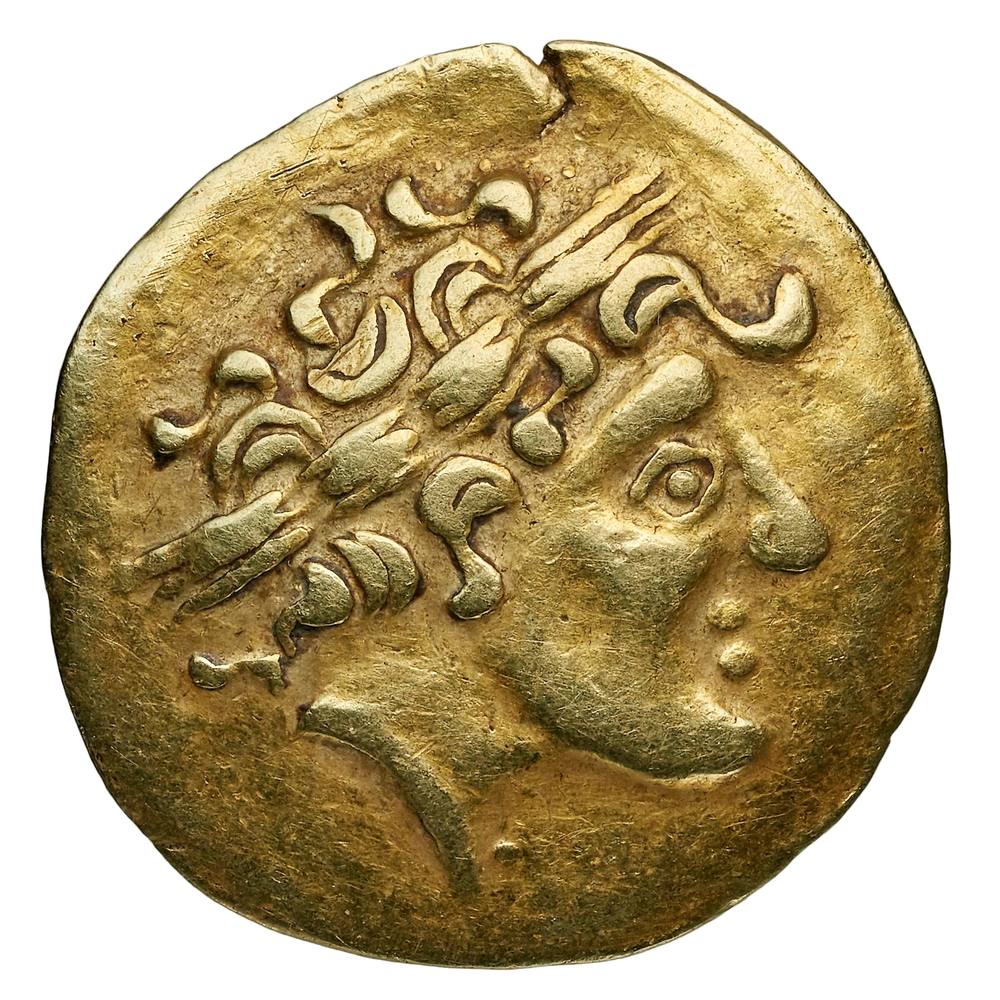
For Caesar this migration was the welcome occasion to intervene in Gaul – the beginning of the Gallic War. He defeated the Helvetii in 58 BC at Bibracte and forced the survivors to return to their homeland, where they were henceforth to serve as a buffer against the Germanic peoples. Caesar names (with surely exaggerated figures) hundreds of thousands of migrants – evidence of how he staged his successes.
"Wits must he have who wanders wide, but all is easy at home."Hávamál 5, after Henry A. Bellows 1923 (public domain)
The Helvetii were a powerful Celtic people in the area of today's Switzerland. Situated between Jura, Alps and Rhine, they stood under pressure from Germanic neighbours to the north – a people between the fronts.
In 58 BC the Helvetii made a bold decision: they burned their own villages and moved westward with the whole people to settle anew in Gaul. This exodus became the trigger of Caesar's Gallic War.
Caesar opposed the migration and defeated the Helvetii in the battle of Bibracte. The survivors he forced to return to their homeland – as a buffer against the Germani. Caesar himself reports it in detail in the first book of his war work.
The name of the Helvetii lives on to this day: Switzerland officially calls itself Confoederatio Helvetica – hence the country code CH and the figure of "Helvetia". A Celtic people became the namesake of a modern state.
The Helvetii show that "Celts" were concrete, powerful peoples – and how a single departure changed the history of Gaul. More on the Celtic world with the Celtic warriors.

The Celtic Warriors · Celtic Religion · The Druids · The Boii · Celtic Princely Graves.
All History & Finds articles →
The most famous eyewitness account of the Vikings comes not from the North, but from Baghdad. In 921 the Caliph sent …
Read more →Carved in stone over 1,000 years ago, a king proclaims the unification and baptism of Denmark – the same king whose …
Read more →Long before the Vikings they settled between the Eifel and the Danube, leaving behind gold hoards and princely graves …
Read more →