
The Hermunduri were a Germanic tribe of the interior, roughly in the region of the upper Elbe, in today's Thuringia/Franconia. Tacitus singles them out: they were reckoned so loyal and reliable that they alone among the Germanic peoples were allowed to trade in the Roman provinces without supervision – a unique privilege.
"To them alone among the Germanic peoples is trade permitted, not only on the bank but deep within."after Tacitus, Germania 41 (public domain, own translation)
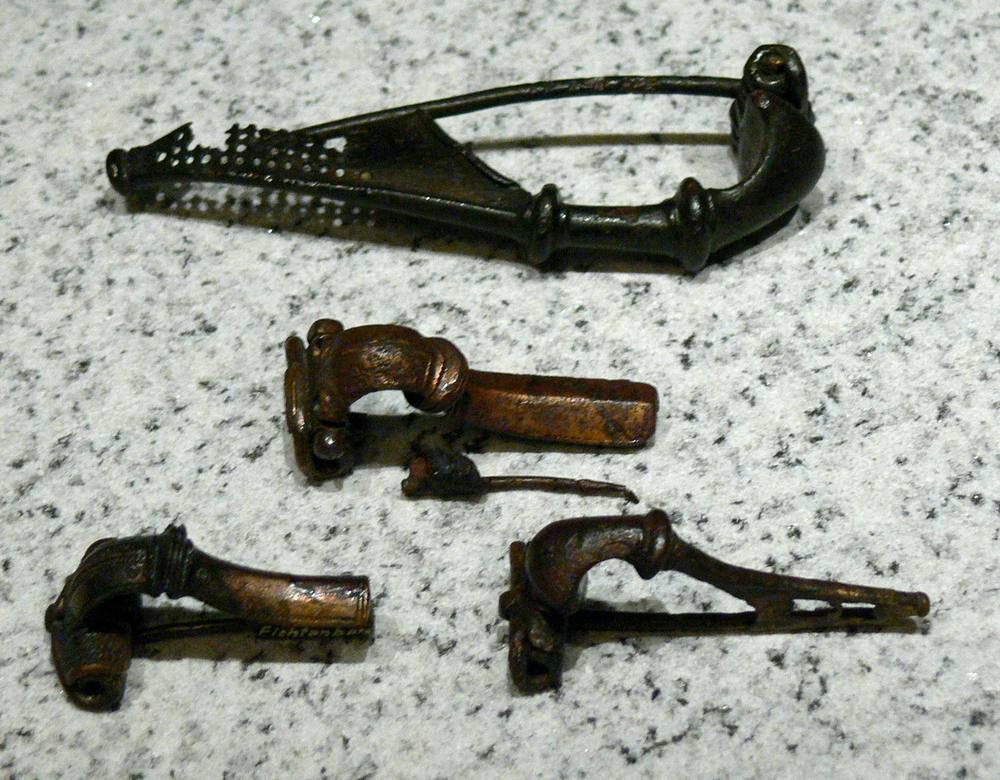
Tacitus also reports a memorable conflict: around 58 AD the Hermunduri fought the Chatti over a sacred river rich in salt. Both sides vowed the enemy army to the gods (Mars and Mercury) in advance – a vow that meant the destruction of the opponent. The Hermunduri won. The passage shows how closely economy, war and religion were interwoven among the Germanic peoples: salt was vital – and sacred.
After the Migration Period the Hermunduri fade from the sources. Much suggests they merged into the new confederation from which the people of the Thuringians emerged – here too an ancient tribe became a later region.
The Hermunduri were a Germanic tribe of Suebian origin who settled in the area of today's Thuringia, Franconia and Bohemia. They were regarded as loyal allies of Rome – and for this enjoyed a unique privilege.
Tacitus reports something astonishing: the Hermunduri were the only Germanic people allowed to trade without guard, even deep in the Roman provinces. They were trusted – a sign of their special position.
Famous is their war against the Chatti over a sacred salt river. Both sides, according to legend, dedicated the enemy army to the gods – a harrowing image of Germanic war religion. The Hermunduri won.
Many researchers see in the Hermunduri a forerunner of the later Thuringians. The name Thuringia may go back to them – thus from an ancient Suebian tribe perhaps came a medieval kingdom.
The Hermunduri show the other side of the Germanic peoples: not only warriors but traders – and a people for whom a salty river was sacred enough to vow a whole army to the gods for it. They are related to the Suebi and neighbours of the Chatti.

The Chatti · The Suebi · The Cherusci & Arminius · Germanic Religion · Tiwaz.
All History & Finds articles →
The most famous eyewitness account of the Vikings comes not from the North, but from Baghdad. In 921 the Caliph sent …
Read more →Carved in stone over 1,000 years ago, a king proclaims the unification and baptism of Denmark – the same king whose …
Read more →Long before the Vikings they settled between the Eifel and the Danube, leaving behind gold hoards and princely graves …
Read more →