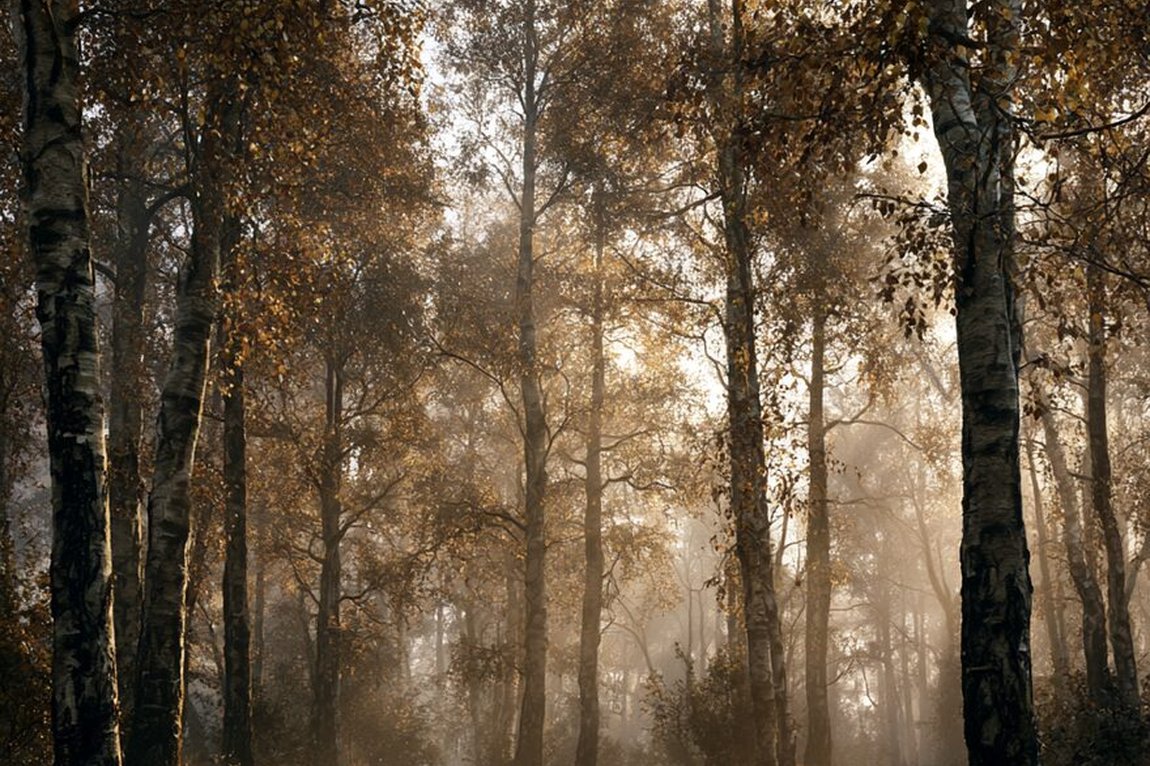
When Caesar faced the Suebian chieftain Ariovistus around 58 BC, he took the Suebi to be "the greatest and most warlike people of the Germanic peoples". In fact the name Suebi (Latin Suebi) meant no single tribe but a whole group of related peoples – from the Baltic to the Main, from the Rhine to the Elbe. Among them were the Semnones, Marcomanni, Quadi, Langobardi, Hermunduri and many more.
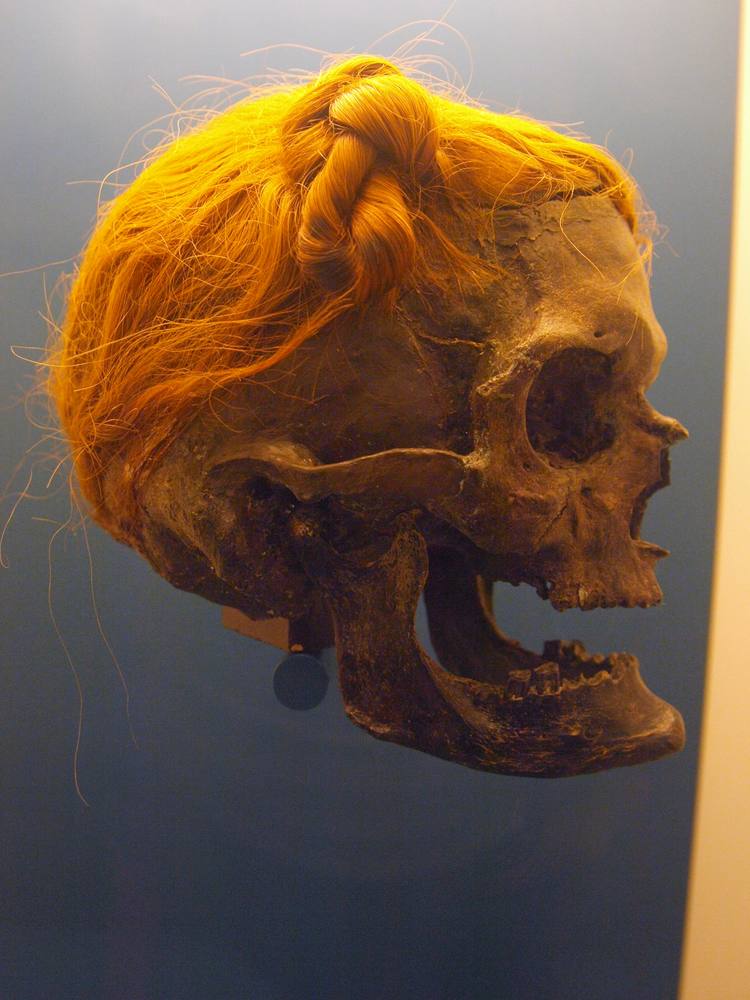
Their most striking mark was a hairstyle: free men tied their hair to the side in a knot. Tacitus describes it exactly – it distinguished the free Sueb from the slave, and the Suebi from other Germanic peoples. Bog bodies such as the "Osterby Man" (northern Germany) still show this very knot on the preserved head.
"Thus the Suebi are set apart from the rest of the Germanic peoples, and the free among the Suebi from the slaves."after Tacitus, Germania 38 (public domain, own translation)
The Semnones were held to be the oldest and noblest Suebian tribe. In a sacred grove, says Tacitus, envoys of all kindred peoples gathered for human sacrifice and rites. No one might enter the grove unless bound – as a sign of submission to the god whom Tacitus calls "ruler over all". It is one of the most striking pieces of evidence for a supra-regional Germanic cult community.
Among the Suebian coastal peoples, according to Tacitus, were those seven tribes who jointly worshipped the earth goddess Nerthus: her wagon was driven across the land, everywhere there was feast and peace, and in the end the servants who had washed the sacred image were drowned in the lake. This too binds the Suebi to a shared belief – not to an empire.
The Suebi kept moving. During the Migration Period Suebian groups appear widely scattered: some travelled as far as Spain (the "Suebian kingdom" in Galicia). Others merged into new confederations – above all the Alemanni. And the name lives on to this day: in "Swabia" and "Swabian" lies the same old tribal name Suebi. Here too: the tribal name became a region, not an unbroken ethnic identity.
The Suebi show how "the Germanic peoples" really worked: not as one people, but as a web of tribes bound by a shared belief, a shared mark in the hair, and loose alliances.
The grove of the Semnones · Nerthus – the earth goddess · The Cherusci & Arminius · The Chatti · Interpretatio Romana.
All History & Finds articles →
A whole royal ship, buried beneath a mound, full of gold and weapons – and a helmet that became the face of an entire …
Read more →Some Vikings raided, others had Danegeld paid to them – Sweyn Forkbeard did both and then reached for the crown itself …
Read more →The Vikings had no central state power. Law and politics arose at the assembly of free people – the Thing.
Read more →A handle that turned out too short, a fly at the bellows and over a thousand silver amulets in the earth: Thor's hammer …
Read more →