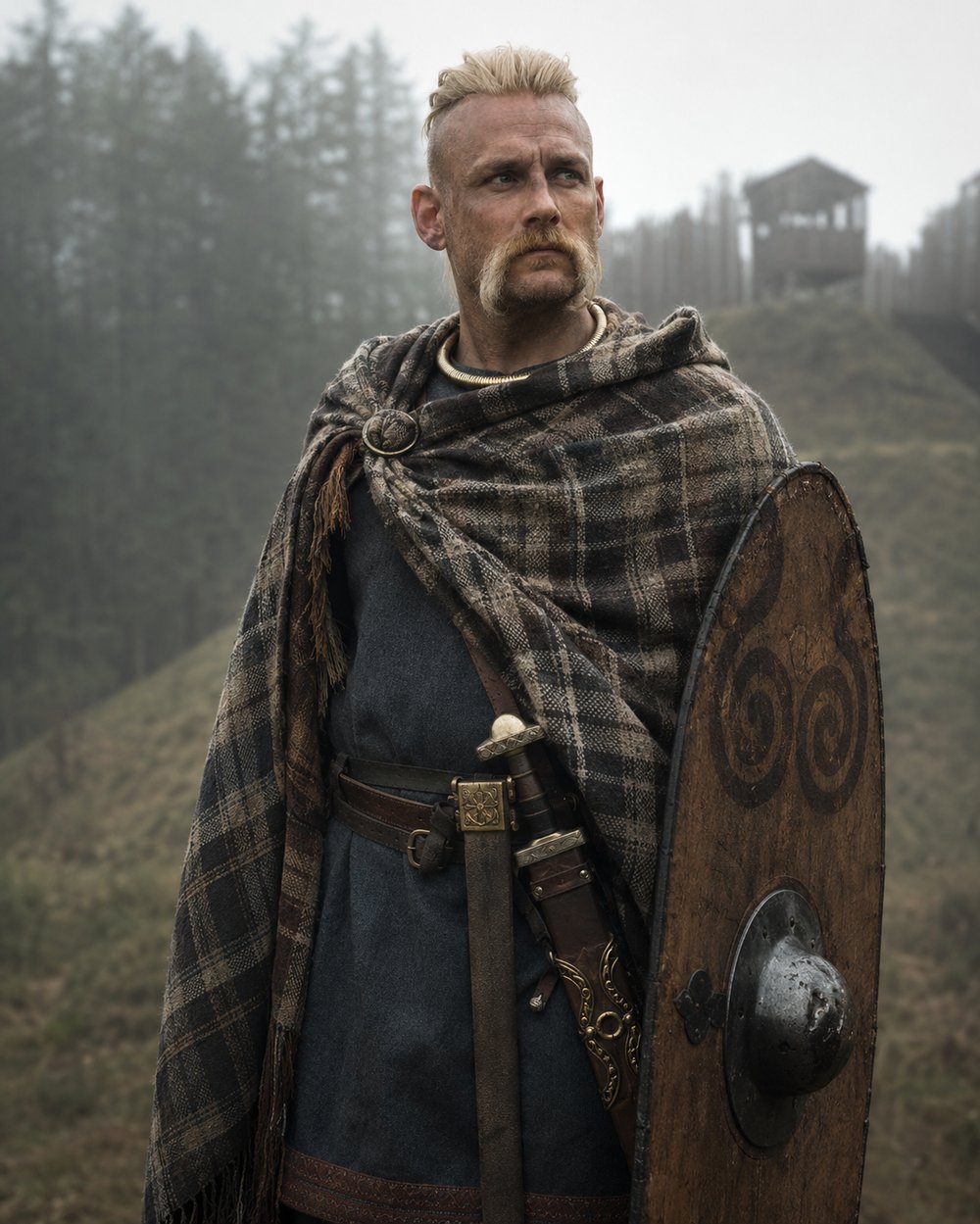
The Druids were the learned class of Celtic society – priests, judges, teachers and keepers of knowledge in one. Our most important source is Julius Caesar, who describes them in the Gallic War. According to him they ranked even above the warriors and regulated cult, law and disputes.
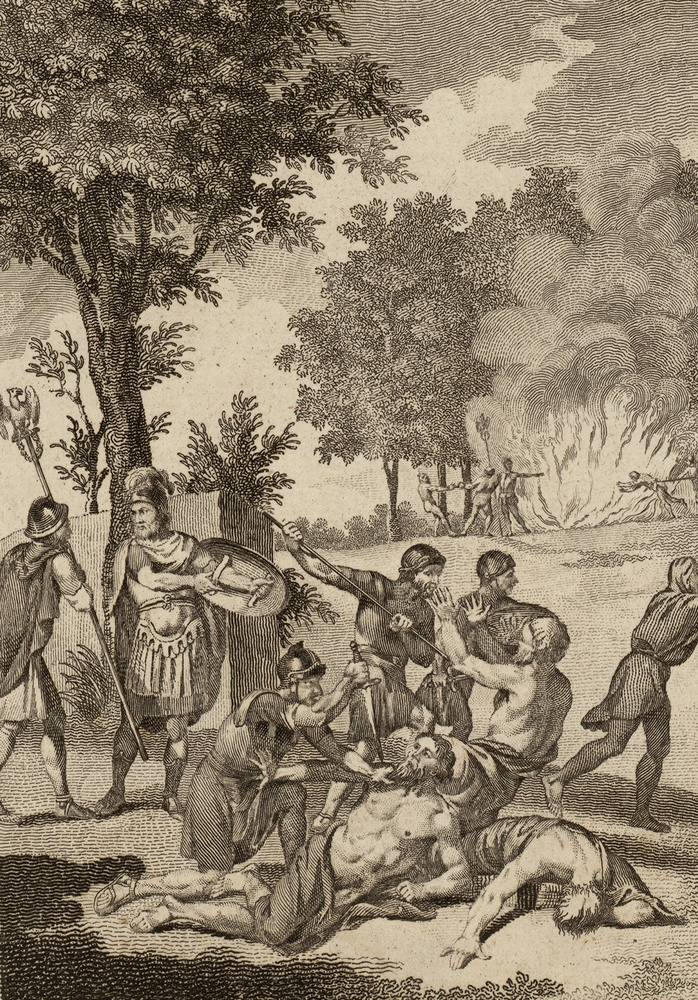
According to Caesar the Druids formed a supra-regional elite that gathered once a year. Their training lasted up to twenty years – for they were not allowed to write down their knowledge but had to learn everything by heart. They taught the immortality of the soul, observed the stars and led sacrifices. It is precisely this ban on writing that is the reason we barely know their knowledge: it died with them.
"They believe that the souls do not perish, but pass after death from one to another."after Caesar, De bello Gallico VI (public domain, own translation)
Like the Germanic peoples, the Celts worshipped their gods not in great temples but in sacred groves (nemeton) and at springs. Pliny transmits the famous image of the white-robed priest cutting the mistletoe from the oak with a golden sickle – a single, late note that has shaped our entire Druid image.
The Druids were the spiritual elite of the Celtic world – priests, judges, teachers and advisors in one. They guarded the religious knowledge, spoke law and enjoyed an esteem that often stood above that of the warriors and princes.
Caesar reports that the Druids deliberately did not write down their knowledge but passed it on orally in a long training – partly over two decades. All knowledge lived in memory, not on paper.
A core point of their teaching was the belief that the soul does not perish but passes after death into a new body. Caesar thought this belief made the Celts especially fearless in battle.
Rome saw in the Druids not only priests but also political leaders of the resistance. Therefore it acted harshly against them – the destruction of the Druid centre on the island of Anglesey (Mona) in AD 60 was a deliberate blow.
The Druids were real and powerful – but much of what we think we know "about" them is younger than their own disappearance. More on Celtic belief in the overview Celtic Religion.
Celtic Religion · Cernunnos · Germanic Religion · Tiwaz · Interpretatio Romana.
All Festivals & Belief articles →
A ring is a closed circle – no beginning, no end. No wonder the people of the North laid their most binding promises …
Read more →The old Norse people did not think of a person as a sealed self inside a skin. A life involved more powers than that: a …
Read more →A word that tastes of cold air and carved staffs: Gandreið. The “magic ride” carries us to the dark frontier of Norse …
Read more →For our ancestors death was no taboo but a passage accompanied with care. They closed the dead one's eyes, made him …
Read more →