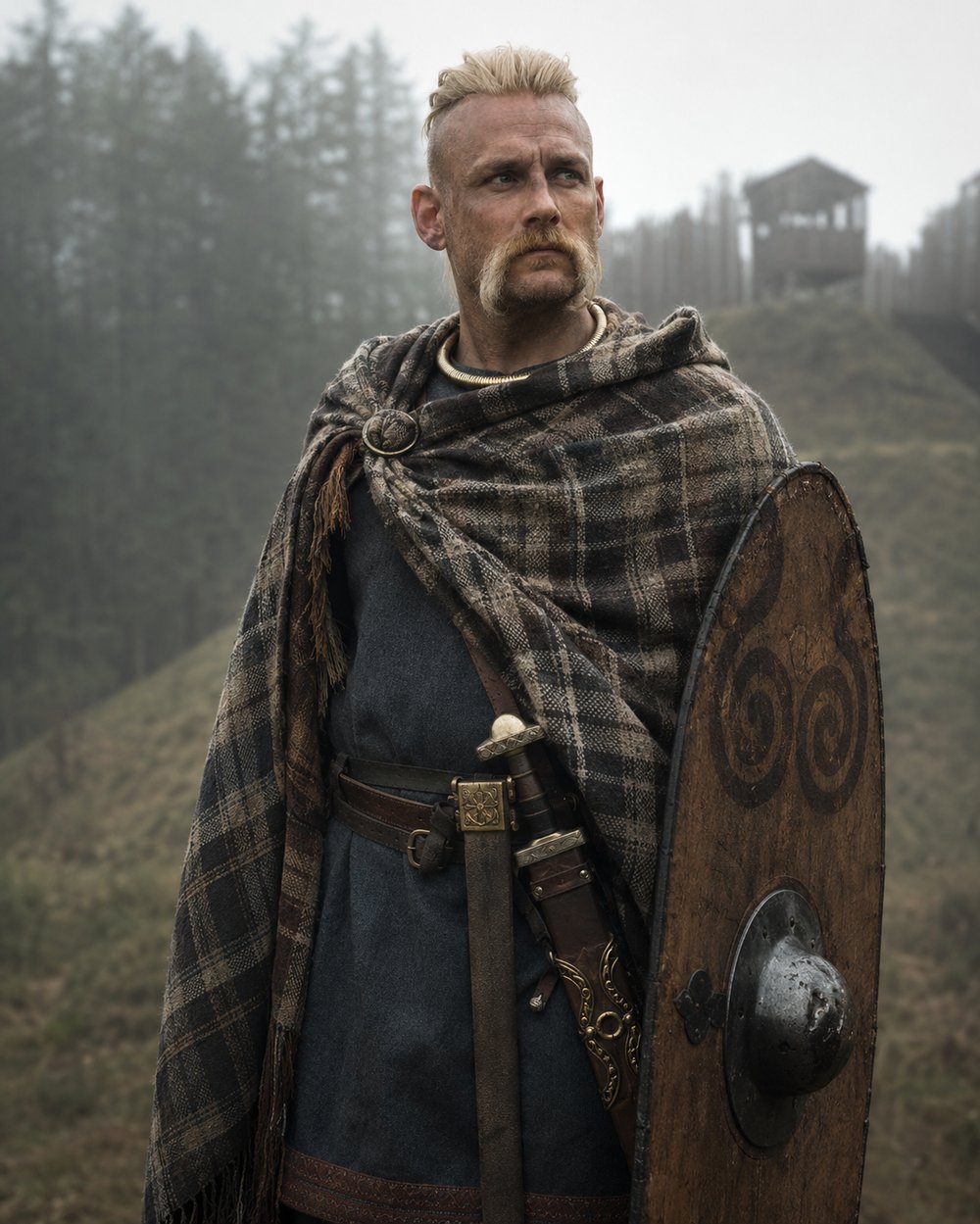
The Senones were a Celtic people originally settled in Gaul (around today's Sens), but who then – like many Celts – migrated to northern Italy, to the region around Ancona (Ager Gallicus).
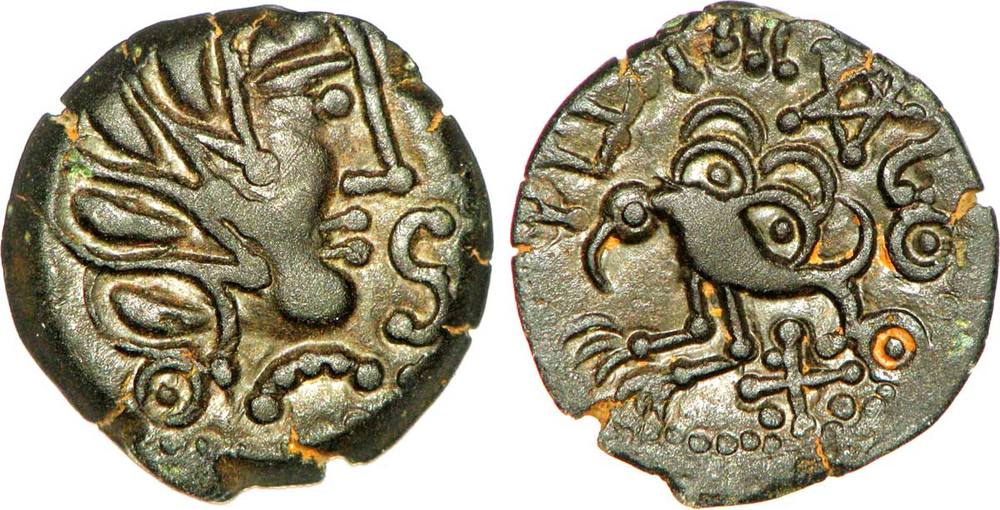
"Woe to the vanquished!"Brennus, after Livy, From the Founding of the City V (public domain, own translation)
The Senones were a Celtic people who appeared in two branches: one in Gaul around today's Sens, another in northern Italy on the Adriatic coast. Both played a dramatic role in the history of Rome.
In 387 BC the Italian Senones under their leader Brennus marched against Rome, defeated the Roman army and plundered the city. It was a primal catastrophe of Roman history that engraved itself deep in the memory of the Romans.
According to legend Brennus, while weighing the ransom gold, is said to have thrown his sword into the scale and cried: "Vae victis!" – "Woe to the vanquished!" The exclamation became a byword for the right of the stronger.
The Gaulish branch around Sens (Agedincum) later joined the revolt of Vercingetorix. The name of the city of Sens recalls the tribe to this day.
The Senones show that the Celts were the terror of Rome long before the Germani. Continue with the Arverni, Aedui and Boii.
The Arverni · The Aedui · The Boii · The Celtic Warriors · The Treveri.
All History & Finds articles →
Silver was the lifeblood of Viking trade – weighed, chopped up, buried. Three of the greatest hoards show how far the …
Read more →A horse, a golden disc, six little spoked wheels: the Trundholm Sun Chariot is one of the most beautiful images the …
Read more →One late-summer day in 1066, a Norwegian army marched through northern England certain of victory – and a few hours …
Read more →