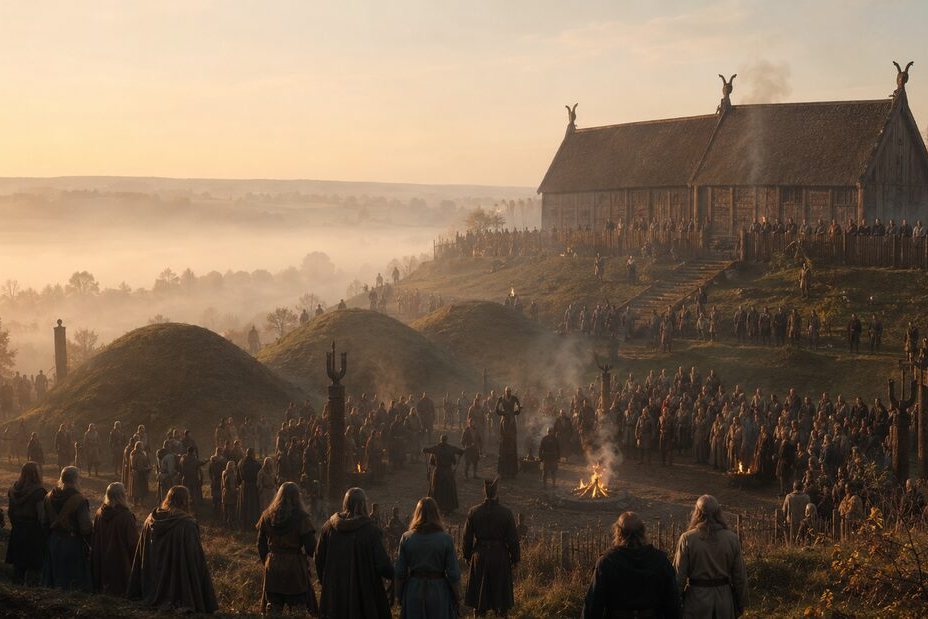
The Gepids were an East Germanic people who, according to Jordanes, were closely related to the Goths and, like them, are said to have come from the north (Scandza).
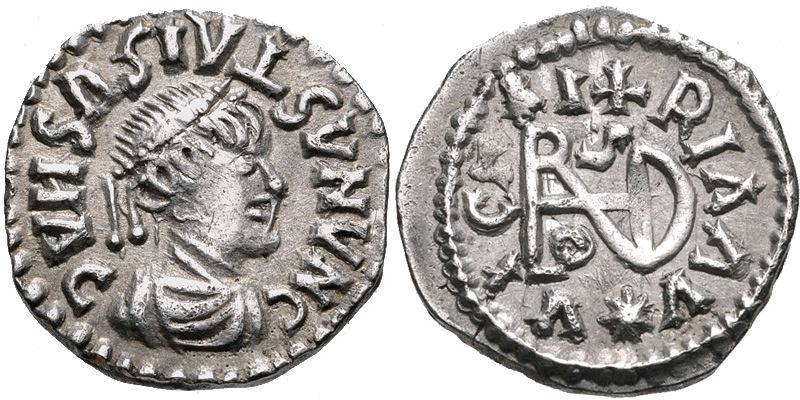
After Attila's death the Gepids led the revolt against the Huns at the Battle of Nedao in 454 and founded a kingdom on the middle Danube. In 567 they were destroyed by Lombards and Avars; the remnants merged into other peoples.
"Because they were sluggish and slower, they got the mocking name Gepids."after Jordanes, Getica (public domain, own translation)
The Gepids were an East Germanic people, closely related to the Goths. According to legend they came with them from the north but stayed behind – hence their name, which Jordanes mockingly derives from "gepanta" (the sluggish ones). They finally settled in the Carpathian basin.
In the 5th century the Gepids came under the overlordship of the Huns. Their king Ardaric was one of Attila's most important followers and fought at his side – until the death of the great Hun king.
After Attila's death Ardaric led the Germanic peoples into freedom: in the battle of Nedao in 454 they shattered the rule of the Huns. The Gepids won a kingdom of their own in the area of today's Hungary and Romania.
Two centuries later the end came: in 567 the Gepids were crushingly defeated by an alliance of the Lombards and the Avars. Their kingdom vanished, the remnants merged into other peoples.
The Gepids are among the great East Germanic peoples of the Migration Period, whose rise and fall shaped late antiquity. At GLANZ & GRAVUR we tell their story from the sources – a dramatic chapter of European history.
The Gepids belong to the East Germanic wandering peoples. Continue with the Goths and Heruli.

The Goths · The Heruli · The Rugii · The Vandals · The Lombards.
All History & Finds articles →
The Roman Tacitus praised Germanic women as chaste, honoured and even brave at the edge of battle. But above all he was …
Read more →Somewhere a story must begin. For the kingdom of Denmark this beginning is a man named Gorm – Gorm the Old, the first …
Read more →In 865 an army landed in England that did not want to raid and sail home, but to stay: the „Great Heathen Army". Two …
Read more →