 From the south of Sweden came one of the most famous peoples of Germanic heroic poetry: the Geats. From their land comes the hero Beowulf – and their name lives on to this day in Götaland.
The Geats (Old Norse Gautar, Old English Gēatas) were a Germanic people in the south of today's Sweden – in the region of Götaland, south of the great lakes Vänern and Vättern. They belong to the peoples who are both historically tangible and deeply anchored in heroic poetry: from their land comes the most famous hero of Old English literature, Beowulf.
Götaland, the "land of the Geats", comprises the fertile south of Sweden with today's provinces of Västergötland and Östergötland. Here the Geats lived as farmers, stock-raisers and seafarers. Their land was well connected by the great lakes and the Baltic and was among the most populous regions of Scandinavia. To their north, around Lake Mälaren, sat their great rivals: the Svear (Suiones).
The history of early Sweden is essentially the history of the relationship between Geats and Svear. Both peoples contended for supremacy for centuries. In the end the Svear prevailed and gave the united realm its name: Sverige ("realm of the Svear") = Sweden. But the Geats did not vanish; they remained as Götaland a core land of the realm, and the Swedish royal title long named both peoples: "King of the Svear and Geats".
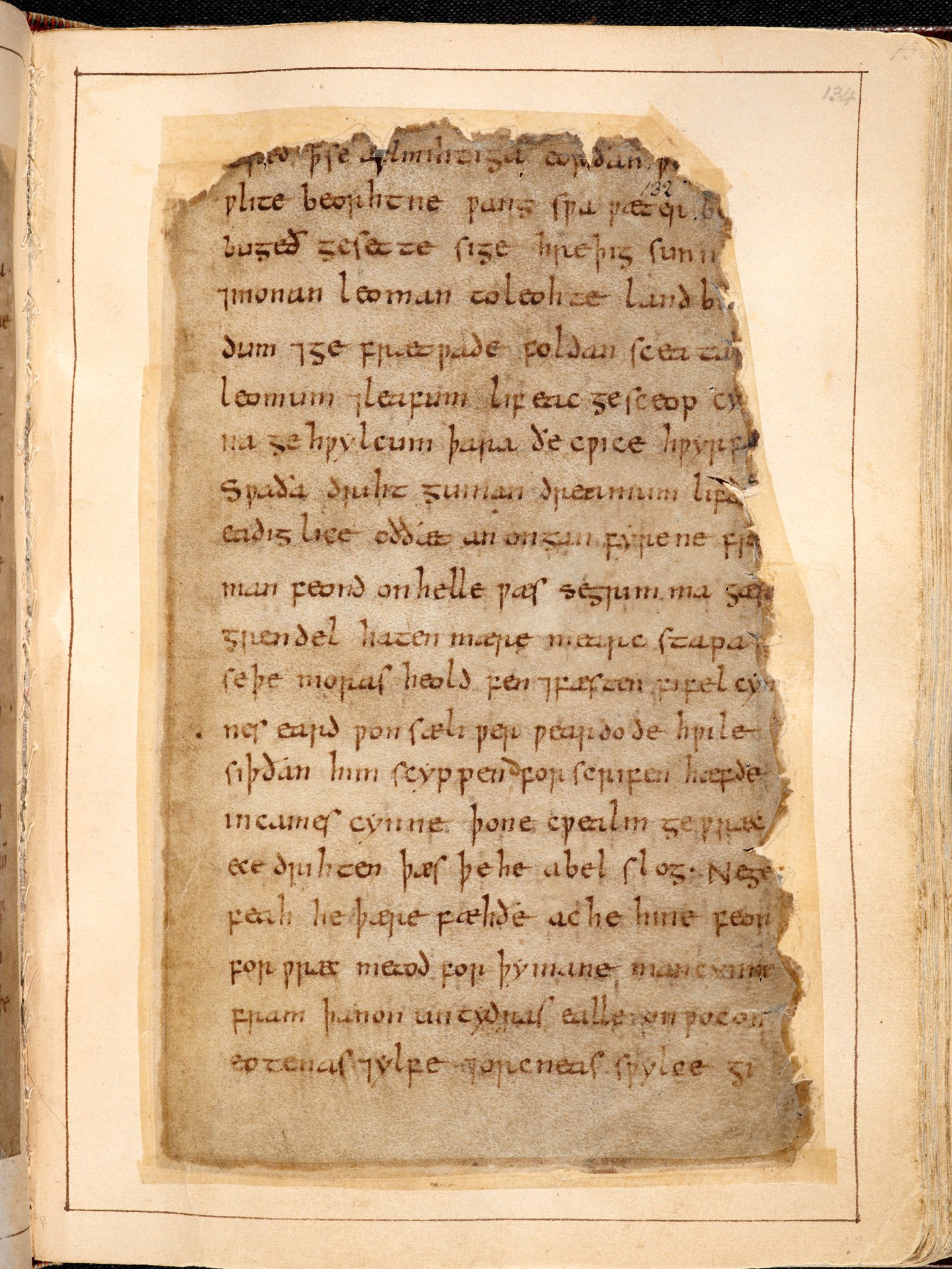
The Geats became world-famous through the Old English epic Beowulf. Its hero is a Geat (Gēat) who comes to the aid of the Danish king Hrothgar and slays the monster Grendel, later becomes king of the Geats and falls in battle with a dragon. The epic, handed down in a single manuscript, is set in a Scandinavia of the 6th century and names many real peoples – Danes, Svear, Geats. Whether Beowulf himself was historical is unknown; but his people were real.
One of the most exciting points in Beowulf is King Hygelac, Beowulf's lord. For this Geatish king is also attested outside the poem: Frankish sources (Gregory of Tours) and others report a raid by a Norse king on the Lower Rhine around 520, where he fell – and this king is identified with Hygelac. Thus the epic has a real historical anchor: Beowulf is set in a world that truly existed. For the early history of the Geats, Hygelac is the firmest dating point.
A common misunderstanding: the Geats (Gautar) are not the same as the Goths (Gutans), the East Germanic migrating people who pressed Rome. The names are similar and perhaps go back to a common root, but they are different peoples: the Geats in southern Sweden, the Goths on the Vistula and later on the Black Sea. The Gotlanders (from the island of Gotland) are again a third people. This similarity of names already caused confusion in antiquity (Jordanes' Scandza legend).
Archaeologically the time of the Geats and Svear falls in the brilliant Vendel Period (c. 550–800), the precursor of the Viking Age. From this epoch come the splendid boat graves of Vendel and Valsgärde (in Svear territory) with their artful helmets and weapons – the same culture in which Beowulf is set. In Götaland rich graves and runestones testify to a prosperous society. The famous runestones of Östergötland (such as the Rök stone) are among the most important in Scandinavia.
The name of the Geats is omnipresent in Sweden. The region of Götaland, the provinces of Väster- and Östergötland, the Göta Canal and the second-largest city Göteborg (Gothenburg) all bear their name. Hardly any other early people of Scandinavia is so deeply inscribed in the modern map. The Geats are thus a living part of Swedish identity – even though their own realm long ago merged into Sweden.
The Geats stand on the threshold between history and legend. They are a real people with rich archaeology – and at the same time the home of one of the greatest heroes of Germanic poetry. In them the Rök stone and Beowulf, the Vendel Period and the Vikings, the rivalry with the Svear and the birth of Sweden all meet. For the prehistory of the Viking world they are indispensable: without Geats and Svear no Sweden – and without the Geats no Beowulf.
The sources on the Geats are mixed: the Old English epic Beowulf (poetry, not history, but with a real background), Jordanes (Scandza legend, 6th c.), Frankish sources on Hygelac and the later Old Norse tradition. To this is added the rich archaeology of Götaland and the Vendel Period. We separate evidence and interpretation carefully: the people, the rivalry with the Svear and the Hygelac anchor are well founded; the historicity of Beowulf and many details of the poem remain legend.
The Old Norse tradition knows a whole series of Geatish kings standing between legend and history. In the Ynglinga saga and in fornaldarsögur such as the Gautreks saga, Geatish rulers appear, often in conflict or marriage-alliance with the Svear kings of Uppsala. These tales are late-recorded and heavily literary, but they preserve the memory of a time when Geats and Svear were two independent kingdoms. Only gradually does what the legend casts in heroic figures become historically tangible.
Götaland played a key role in the Christianisation of Sweden. In Västergötland lay the earliest Christian centres of the country; Skara became one of the first episcopal seats of Sweden. The first Christian Swedish king, Olof Skötkonung, was, according to tradition, baptised in Västergötland. While pagan Uppsala in Svear territory long held to the old faith, the land of the Geats became Christian early – another difference between the two peoples who together formed Sweden.
The Geats are no vanished people but a building block of the Swedish nation. Their long contest with the Svear, their early Christianisation and their rich culture flowed into medieval Sweden. To this day the royal title, the region of Götaland and the name of Gothenburg recall them. For the prehistory of the Viking world they are as important as the Danes and Norwegians – except that their greatest fame stands not in a saga but in an Old English epic.
"Then the good Geat made ready, chose fighting companions, the boldest he could find."after the Old English Beowulf (public domain, own translation)
The Suiones · The Goths · The Oseberg ship & the two women.
All History & Finds articles →
The Roman Tacitus praised Germanic women as chaste, honoured and even brave at the edge of battle. But above all he was …
Read more →Somewhere a story must begin. For the kingdom of Denmark this beginning is a man named Gorm – Gorm the Old, the first …
Read more →