 A life-size figure of sandstone, silent for around 2,400 years: a warrior with a golden neck ring, sword, shield and a strange leaf-shaped "crown" on his head. The Celtic prince of the Glauberg is the most famous single image of the early Celts of central Europe – and the key to a world of gold, power and lavish graves, long before Rome came north.
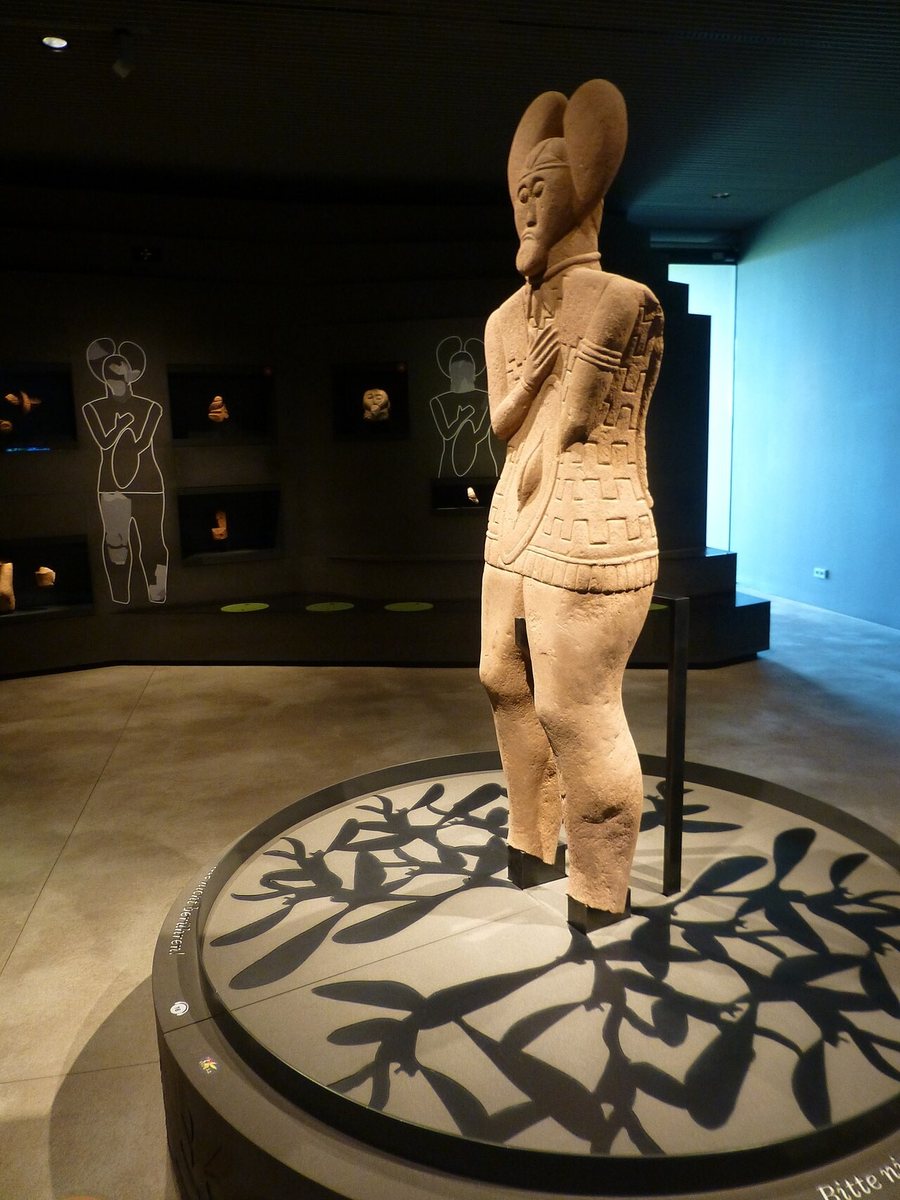
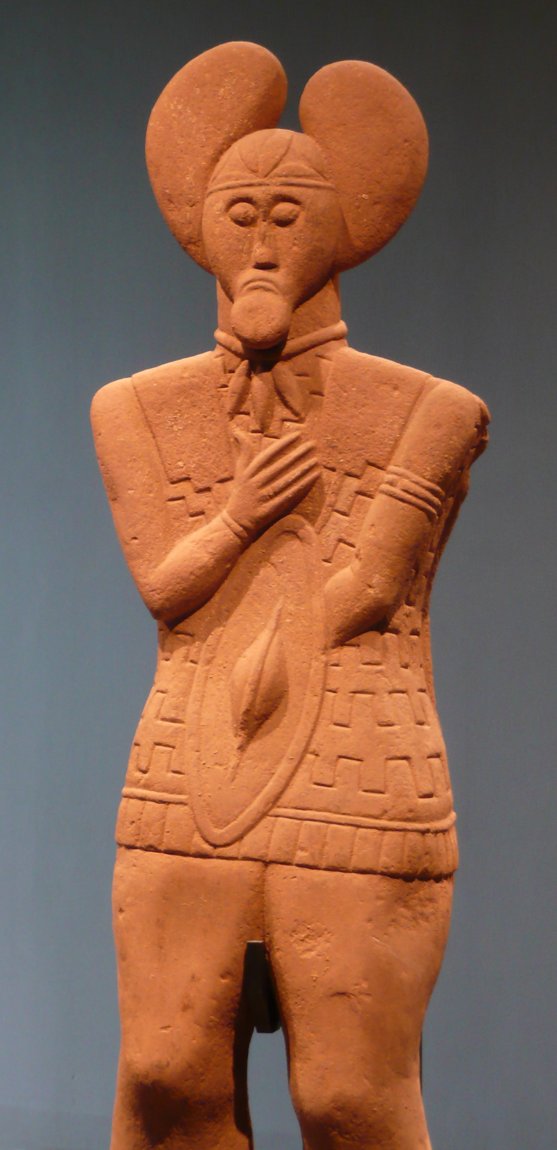
In 1996 archaeologists found, at the foot of a great burial mound at the Glauberg in Hesse, an almost complete stone statue – life-size, carved from sandstone, astonishingly detailed. It shows a man in armour, with a broad neck ring of gold, a sword at his side, a shield and arm rings. On his head he wears an unusual, leaf-shaped headdress known as the "leaf crown". No other Celtic image north of the Alps is so well preserved and so expressive. It is as if a Celt looks us directly in the eye.
The Glauberg is a hill spur in the fertile Wetterau north of Frankfurt. Already in the Early La Tène period, in the 5th century BC, it was an important princely seat: fortified, visible from afar, surrounded by burial mounds and an enigmatic complex of ditches and ramparts. From here an elite ruled the land, controlled trade routes and had graves built that were meant to hold their wealth for eternity.
In the great burial mound of the Glauberg lay the burial of a young man, equipped with full splendour. It is the grave to which the statue belongs – perhaps an image of this very dead man, perhaps of a heroised ancestor. The grave goods paint the picture of a warrior and ruler to whom his community gave the most precious things for the afterlife. Lavish graves like this are the most impressive testimony to the steep social order of the early Celts.
Among the grave goods were a golden neck ring (torc), golden arm rings, a sword, lances, a shield and fine brooches. Especially telling is a bronze beaked flagon – a vessel for wine, that southern luxury drink so prized by the Celtic upper class. The torc at the neck was far more than jewellery: it was the sign of rank and dignity, the badge of the prince. The statue, too, wears exactly this golden neck ring – find and image confirm each other.
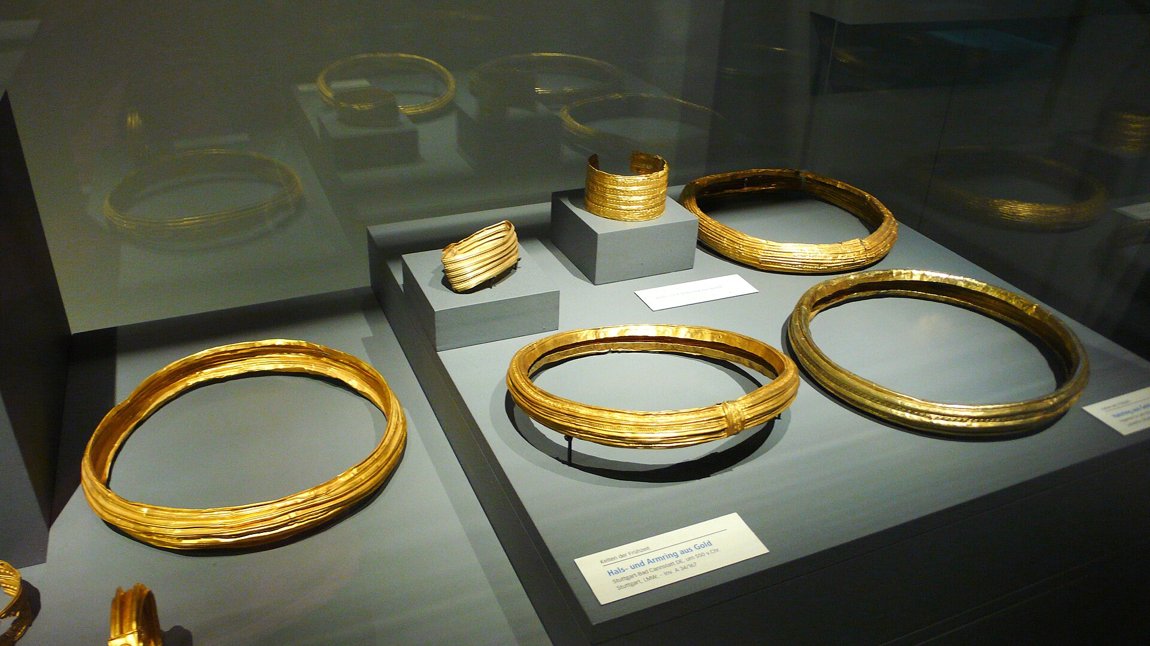
The true wealth of the princes was their gold – and the art of working it. Celtic goldsmiths mastered filigree and granulation, the finest techniques, with which they made neck rings, bracelets and brooches from hair-thin wire and tiny gold beads. The torc at the neck was the most important sign of rank: finely worked, often decorated with animal or plant motifs and so heavy that it literally marked its wearer. The same mastery that people admired in such pieces 2,500 years ago fascinates us to this day.
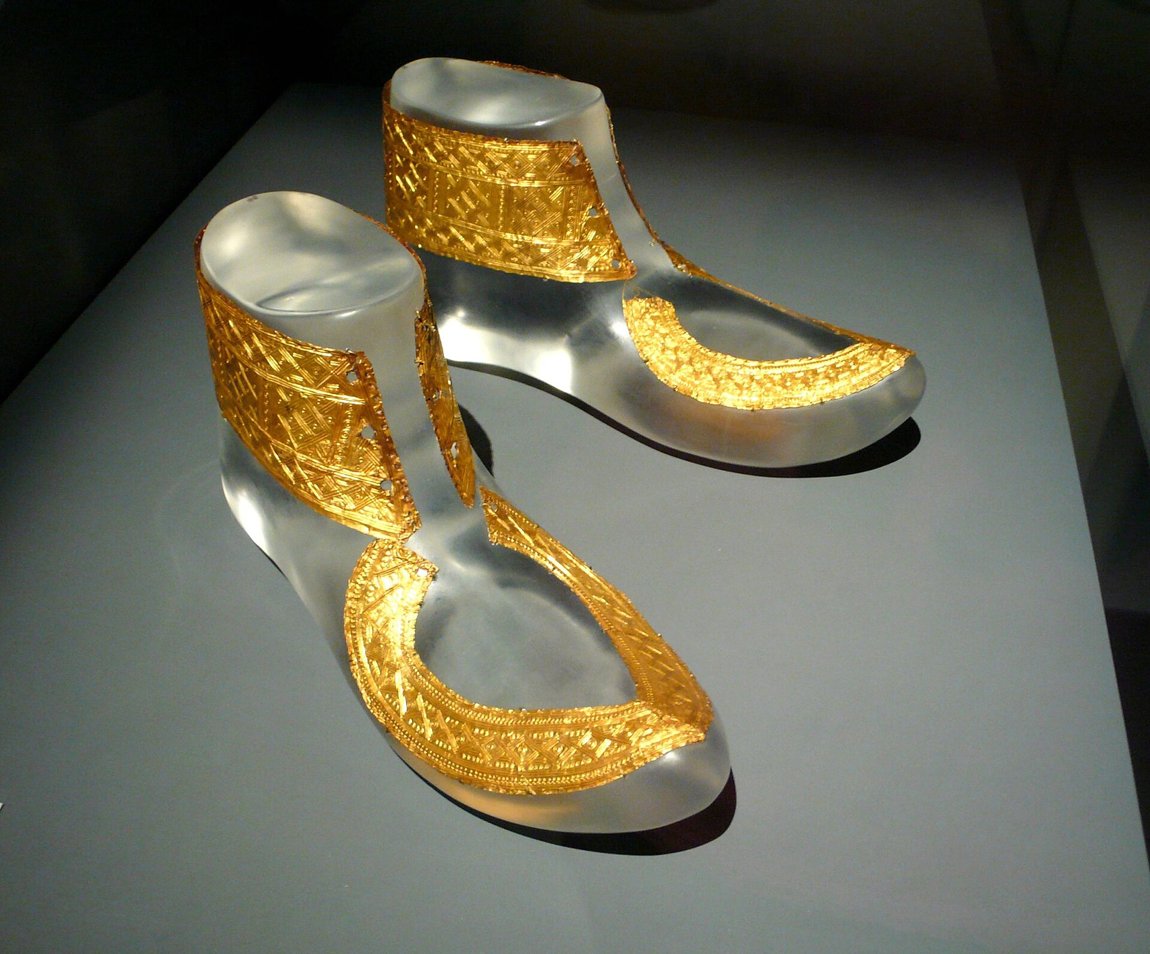
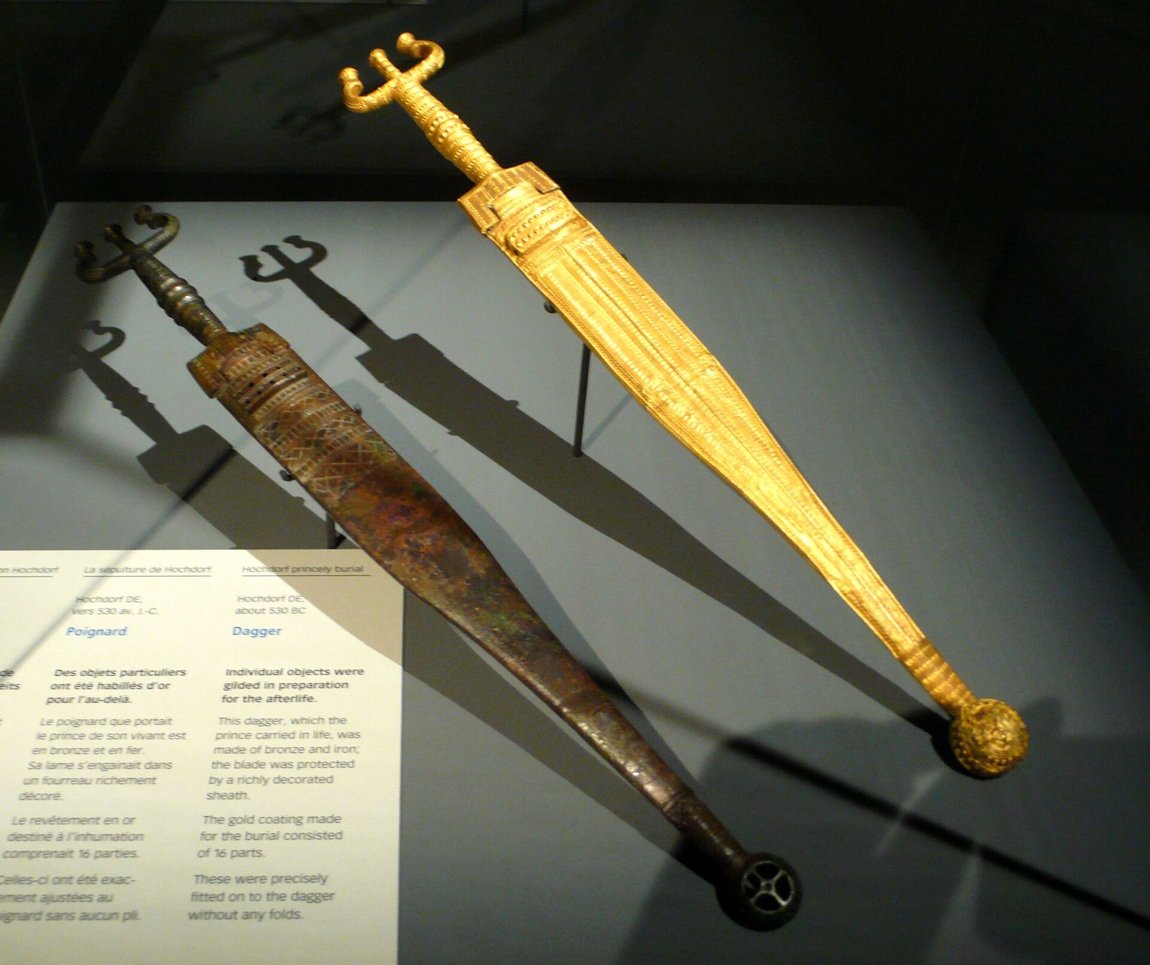
Nothing shows this splendour more clearly than the prince of Hochdorf: even his shoes bore artfully patterned gold fittings, together with a golden neck ring, a belt plate and a dagger sheathed in gold foil. Gold was not only jewellery but language – it told everyone who saw it: here rests a ruler.
The statue is 1.86 metres tall and worked with remarkable care: one can make out armour, neck ring, arm rings, the sword and the famous leaf crown – two large, leaf-like bulges rising above the head. Its meaning is disputed: some see the leaves of the mistletoe, others a sign of divine or heroic dignity. Certain only is that this headdress marked something special. The same leaf crown appears on further fragments from the Glauberg – it was a fixed motif of the local imagery.
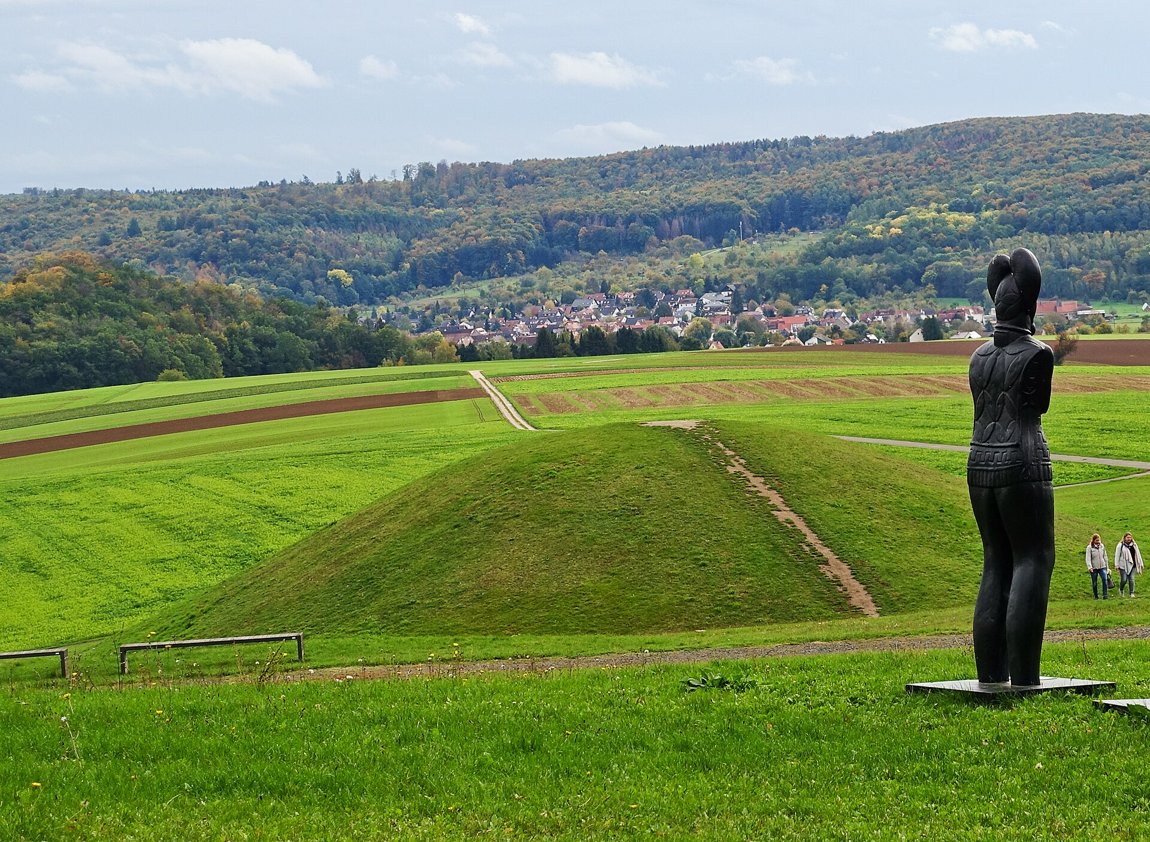
Around the burial mound the archaeologists discovered a vast complex of ditches and dams stretching over hundreds of metres. It is interpreted as a processional or cult way – a deliberately shaped sacred landscape in which the dead prince was venerated. Some researchers even suspect an alignment with certain rising and setting points of sun or moon. That is not securely proven; proven, however, is the enormous effort with which a dead man was made the centre of a sanctuary.
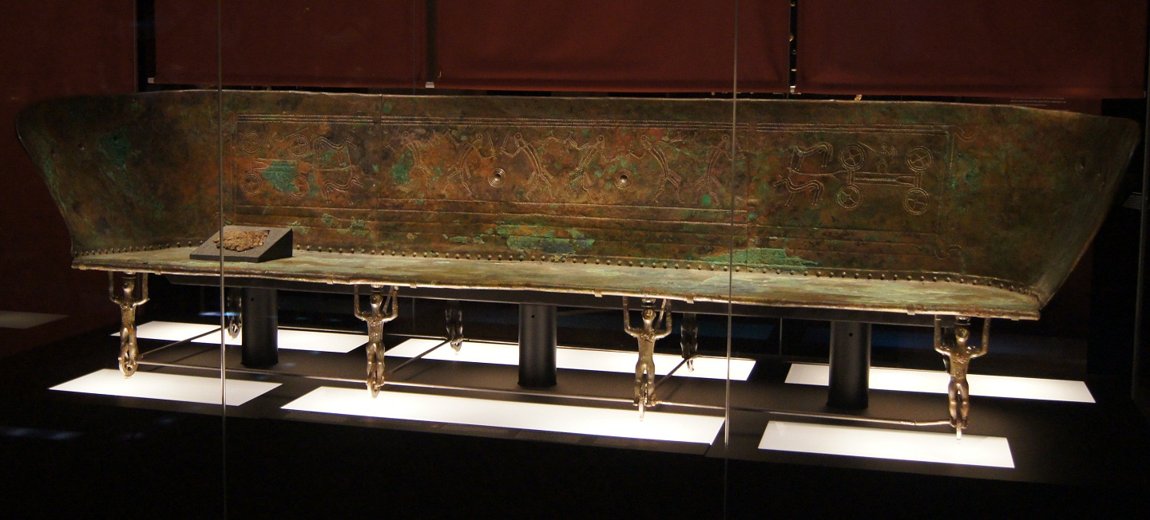
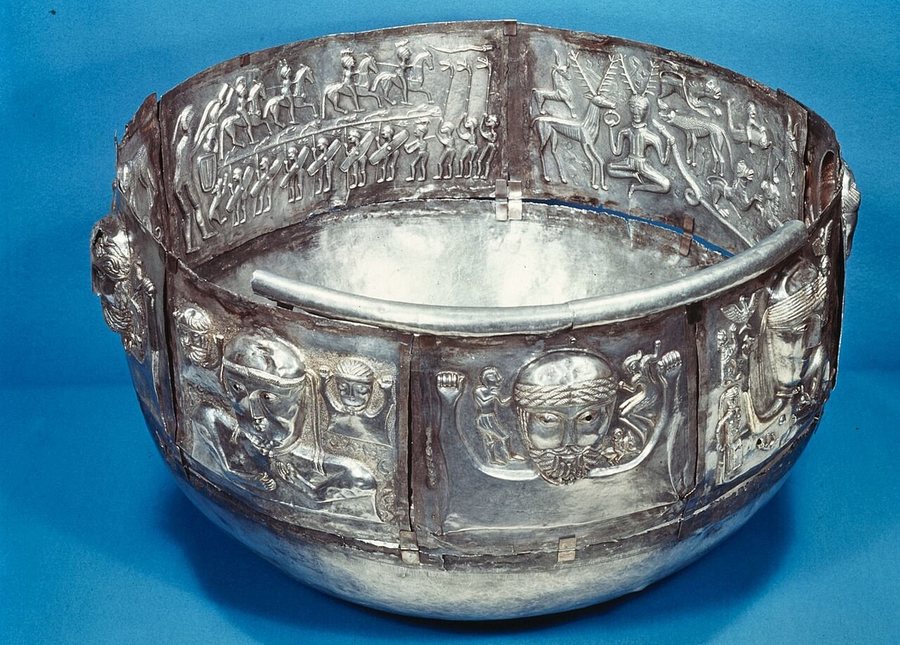
The Glauberg does not stand alone. At Hochdorf in Baden-Württemberg an unplundered princely grave from the Hallstatt period (around 530 BC) was found in 1978. The dead man lay on a unique bronze couch on wheels, adorned from head to foot with gold – neck ring, belt plate, even gilded shoe fittings – and equipped with a four-wheeled wagon and a huge bronze cauldron. In this cauldron traces of mead were detected: the prince was to hold a feast in the beyond. No other grave makes Celtic splendour so tangible.
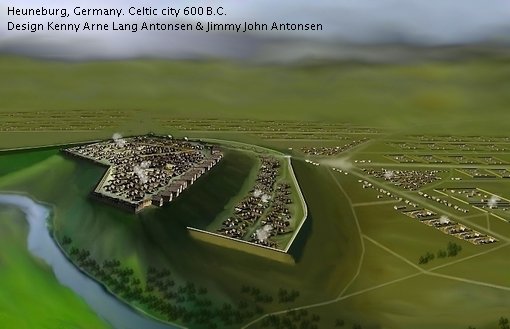
Among the princely seats belongs also the Heuneburg on the upper Danube. Around 600 BC it possessed something wholly unexpected: a mudbrick wall in the Mediterranean manner, of a kind otherwise known only in Greece or Italy. Thousands of people lived here in a town-like settlement with suburbs – for many researchers the oldest "town" north of the Alps. Some even suspect in it the "Pyrene" mentioned by Herodotus. The Heuneburg shows how closely the early Celts were connected with the ancient Mediterranean world.
The power of these princes rested on trade. From the Greek-Etruscan south came wine, bronze drinking vessels and luxury; from the north the Celts supplied salt, furs, amber and metals. Whoever controlled these flows grew rich – and translated this wealth into gold, lavish graves and stone images. The Celtic elite was no gathering of wild barbarians, as later Roman propaganda would have it, but a worldly upper class with connections as far as the Mediterranean.
The word "prince" is a modern makeshift. We do not know the political order of the early Celts exactly – they left no writing, and what we know comes from graves and from the reports of Greek and Roman outsiders. Whether the man of the Glauberg was a king, a warlord, a priest-prince or all at once remains open. Certain is: he stood at the head of a society that honoured its powerful, with gold, weapons and monuments, beyond death.
At the find site stands today the museum Keltenwelt am Glauberg, where the original statue and the grave finds can be seen. The reconstructed burial mound, the processional ways and the museum make the place one of the most important Celtic monuments in Germany – a princely seat where the distant world of the early Celts becomes visible.
The Celtic prince of the Glauberg moves us because he has a face. Where other prehistoric cultures remain anonymous, here a single human being looks at us – crowned, adorned, armed, carved into stone for eternity. In his golden neck ring, the finely worked brooches and the proud leaf crown lives an ancient joy in craft, symbol and rank – the same joy that carries our own work. He reminds us that "in the middle of Germany", long before Rome, a high culture flourished that deserves to be told.
Celtic princely graves overview · The Celtic warriors · The druids · Celtic religion.
All History & Finds articles →
Without their ships the Vikings would never have become Vikings. The longship was the high technology of its time …
Read more →