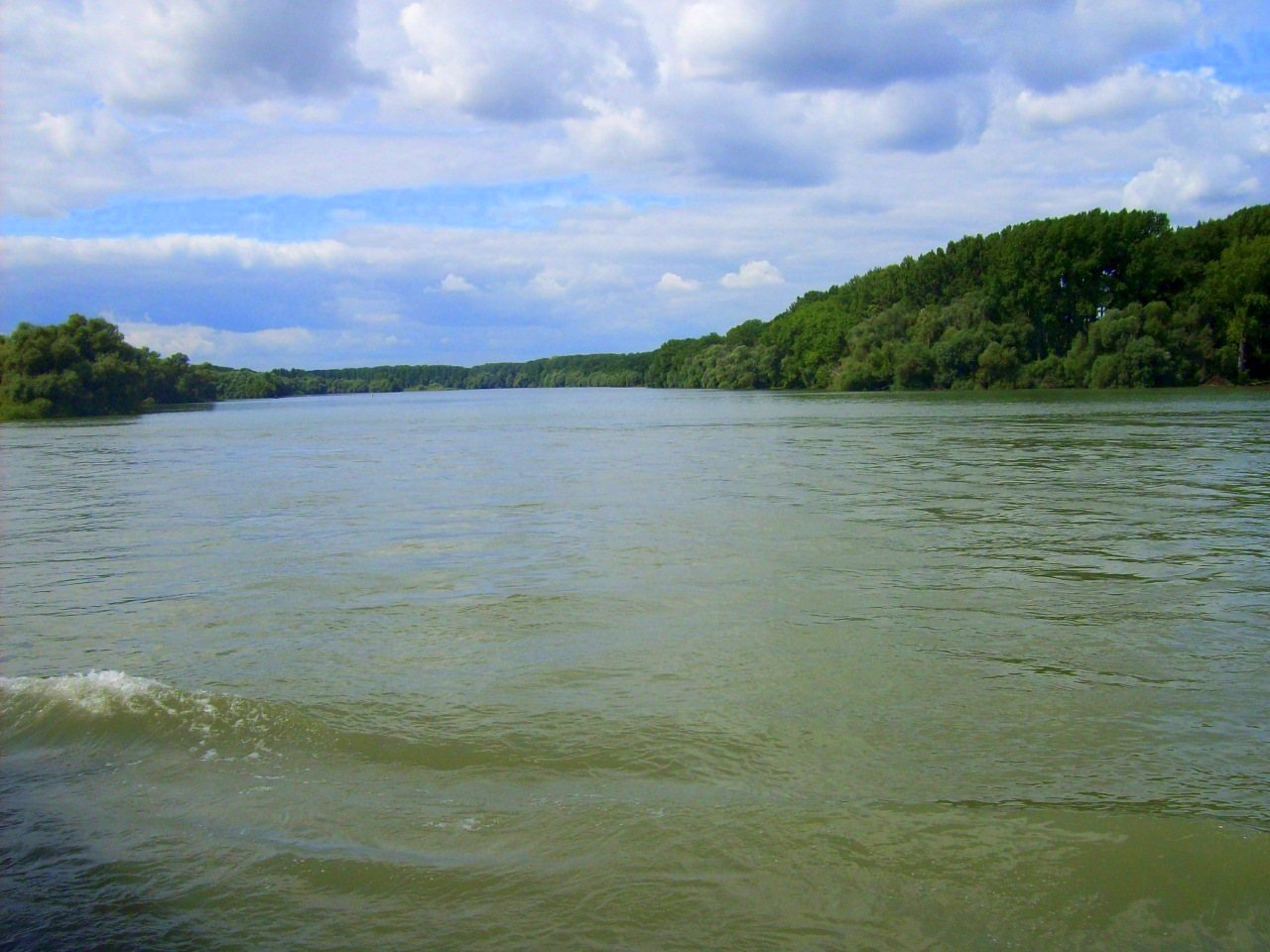
The Nemetes were a Germanic tribe on the left bank of the Rhine, in the area of today's Speyer. Tacitus names them together with the Vangiones and Triboci as Germanic peoples settling on the Gaulish side of the Rhine.
Like several Rhine tribes the Nemetes were settled by Rome as a border people (civitas) and incorporated into the province of Upper Germania. Their capital was called Noviomagus Nemetum – today's Speyer.
From Nemetum came the old name of Speyer (Nemetes/Nemet). Thus a Germanic Rhine tribe lives on to this day in the name-history of a cathedral city – much like the Ubii in Cologne.
"The Vangiones, Triboci and Nemetes, without doubt Germani, inhabit the bank of the Rhine."after Tacitus, Germania 28 (public domain, own translation)
The Nemetes were a small tribe on the Upper Rhine whose chief town lay in today's Speyer: the Roman Noviomagus Nemetum, "new field of the Nemetes". From this settlement grew one of the oldest cities in Germany, whose name still recalls the tribe.
Like many peoples of the Rhine frontier the Nemetes are hard to classify. Caesar counts them among the Germanic tribes said to have crossed the Rhine with the war-leader Ariovistus. Yet their name sounds Celtic: it is connected with nemeton, the Celtic word for "sacred grove". Here too it shows that Rhine and Vosges formed no clean boundary of peoples but a mixed zone of cultures.
Under Rome the land of the Nemetes became part of the province of Germania superior. The region was crossed by military roads, forts and country estates; Speyer became an administrative and trade centre on the river. Votive stones and graves show a population that mixed native and Roman traditions – a familiar picture for the whole Rhineland.
While the tribe has long vanished, its name lives on in Speyer – much as with the neighbours in Worms and Mainz. For us in the Rhineland these Rhine cities are tangible witnesses of how the townscape of our home grew out of Germanic-Celtic tribes.
As a people on the Rhine frontier the Nemetes lived in the tension of two worlds. Before them, across the river, sat free Germanic tribes; behind them stretched the Roman Empire with its cities and roads. This position made the Nemetes' land at once vulnerable and important: it was buffer, march route and trade zone in one. Troops passed through, goods changed banks, and the native population came to terms with Rome.
Like so many tribes of the Rhine frontier, the Nemetes vanished as an independent force – yet their legacy is still tangible today. Speyer became an important episcopal city in Roman and medieval times, whose imperial cathedral is a World Heritage Site. The old tribal name echoes in the name of the city and the region and recalls that a Germanic-Celtic people once sat here on the Rhine, long before emperors and cathedrals shaped the picture.
The Nemetes belong to the Rhine peoples between Germania and Rome. Continue with the Vangiones and Ubii.

The Vangiones · The Ubii · The Treveri · The Sugambri · Interpretatio Romana.
All History & Finds articles →
While Uppsala is famous above all from a text, Thuringia holds the best-excavated Germanic sanctuary in the ground: the …
Read more →