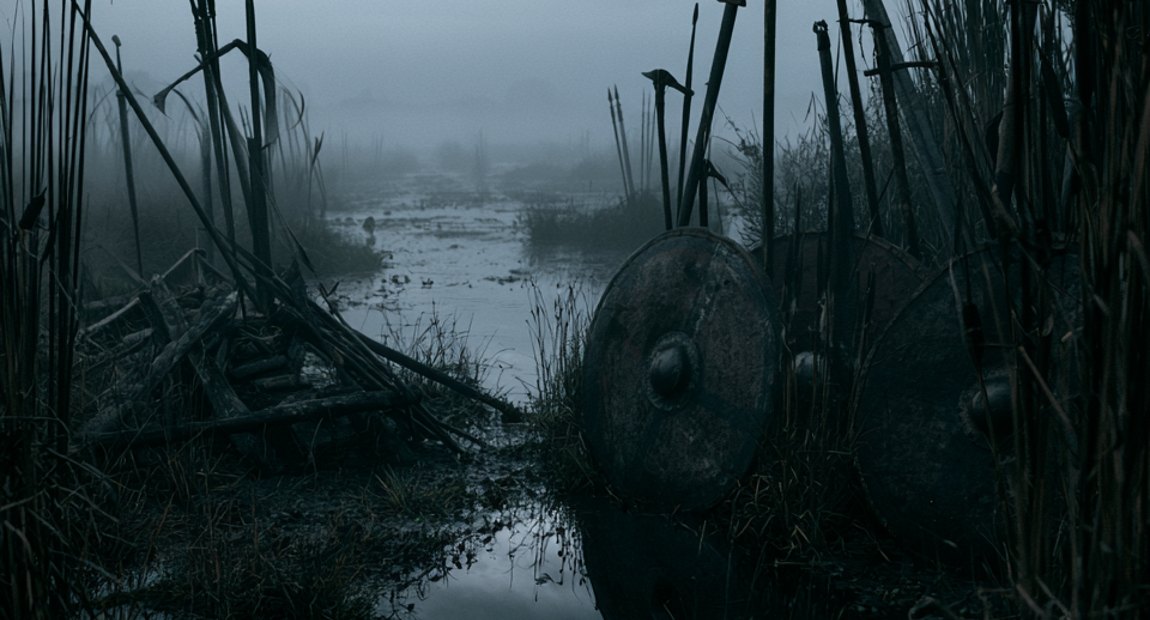
The Nervii were a Belgic tribe in the north-west of Gaul, in the area of today's Belgium between the Scheldt and the Sambre. Caesar describes them as especially hard and warlike: they let no traders into their land so as not to be "softened" by wine and luxury.
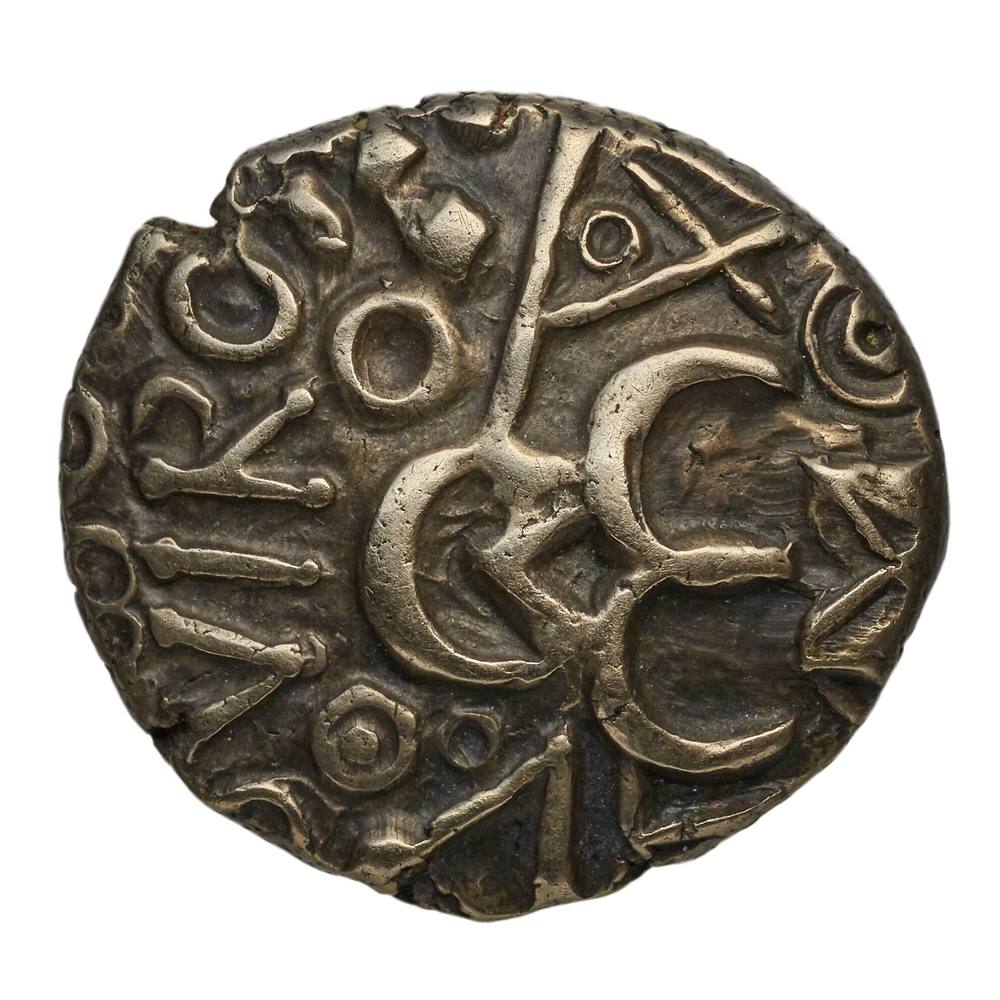
When Caesar marched against the Belgae in 57 BC, the Nervii attacked his army with full force as it was building camp at the Sambre. The surprise assault brought the Romans to the brink of catastrophe – only with great effort did the legions turn the battle. Caesar writes that the people were almost wiped out afterwards.
The Nervii embody the Roman image of the "noble savage" northern people: poor but unbending, fearless of death, incorruptible. Like the Treveri, they too boasted of Germanic descent – a sign that "Germanic" stood for warrior glory.
"Of all these, the Belgae are the bravest."after Caesar, The Gallic War I (public domain, own translation)
The Nervii were a Belgic tribe in the north of Gaul, in today's Belgium. Caesar called them the bravest of the Belgae – a hard, warlike people who despised every luxury as weakness.
Caesar reports that the Nervii let no wine merchants into their land because they feared wine and luxury might weaken their fighting power. This deliberate hardness made them an especially dangerous opponent.
In 57 BC came the famous battle of the Sambre. The Nervii fell upon Caesar's army as it was building camp and brought it to the brink of defeat. Only with difficulty and Caesar's personal intervention did the tide turn – for the Nervii it ended in a devastating defeat.
Caesar writes that the people was thereafter almost annihilated; of the fighters only a few remained. Nevertheless the Nervii rose again later – a sign of their unbroken spirit of resistance.
The Nervii complete the picture of the border peoples between Celts and Germani. Continue with the Eburones and Treveri.

The Eburones · The Treveri · The Boii · The Celtic Warriors · The Helvetii.
All History & Finds articles →
While Uppsala is famous above all from a text, Thuringia holds the best-excavated Germanic sanctuary in the ground: the …
Read more →