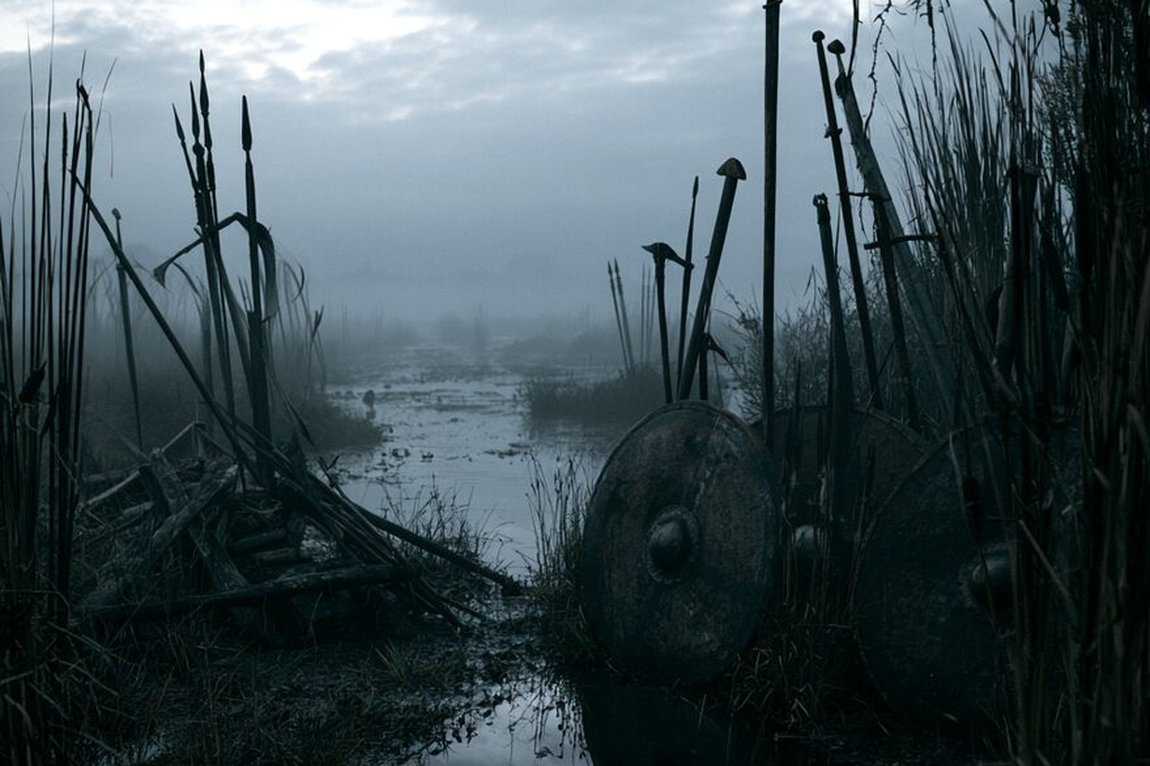
The Ubii were a Germanic tribe who originally lived on the right bank of the Rhine, in the area between Main and Sieg. Unlike many neighbours they sought an early alliance with Rome – and were rewarded for it.
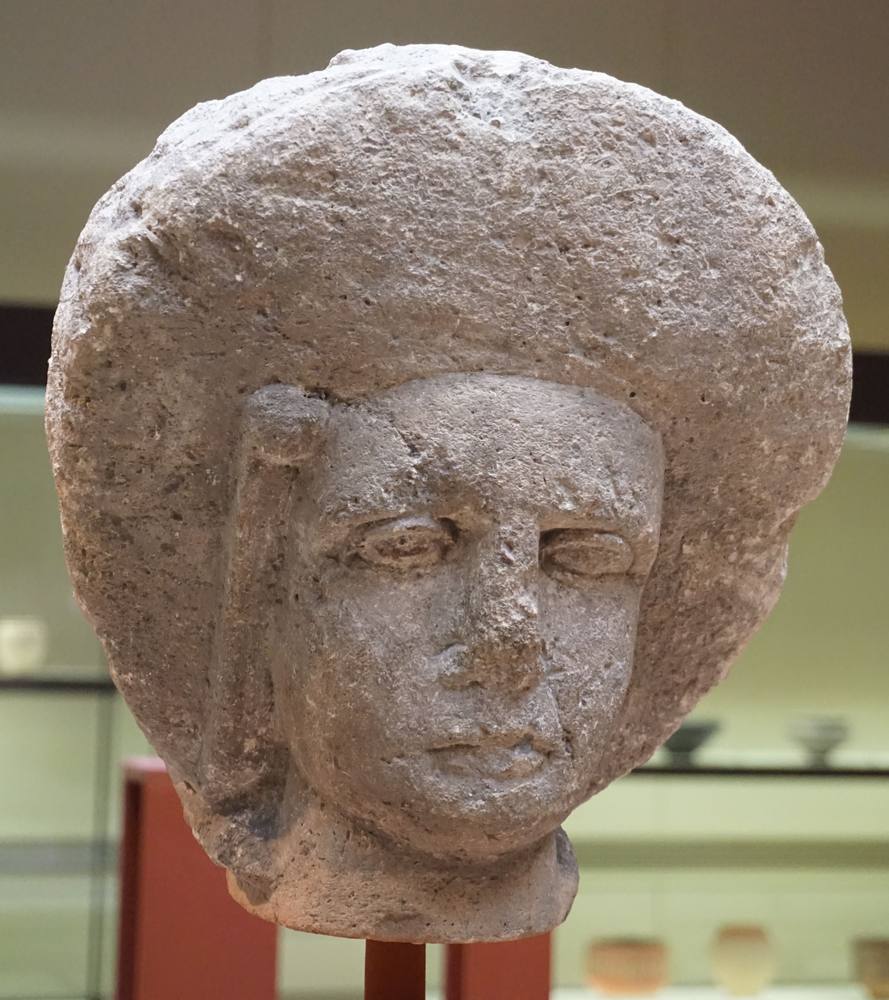
Around 39/38 BC the Roman general Agrippa resettled the Ubii to the left, Roman bank of the Rhine – into the area of today's Cologne and Bonn. There they became loyal allies and border guards of the Empire.
Their capital, the Oppidum Ubiorum, held the central Rhine sanctuary, the Ara Ubiorum. In AD 50 it was raised to a Roman colony – the Colonia Claudia Ara Agrippinensium, named after the empress Agrippina, born here. From "Colonia" came Cologne (German Köln).
"They are not ashamed of their origin … once transplanted across the Rhine."after Tacitus, Germania 28, on the Ubii (public domain, own translation)
The Ubii were a Germanic tribe that originally lived on the right bank of the Rhine and were regarded early on as friendly to Rome. Around 39/38 BC the Roman general Agrippa resettled them, at their own request, onto the left, Roman side of the Rhine – into the area around today's Cologne and Bonn. This made them loyal allies and a buffer against the tribes beyond the river. It is one of the few resettlements of antiquity that a tribe itself sought.
In the territory of the Ubii Rome erected the Ara Ubiorum, an altar for the imperial cult. The place was intended as the religious and political centre of a planned Roman Germania – until the defeat of Varus in AD 9 destroyed these plans. Exactly where the altar stood is still not certainly located; only its great importance is certain.
The chief town of the Ubii became a great city: here Agrippina the Younger was born, later wife of the emperor Claudius. In her honour the town was raised in AD 50 to the Colonia Claudia Ara Agrippinensium – the origin of the name Cologne. Thus the Ubii turned from a resettled border people into citizens of one of the most important cities of the Roman north.
The faith of the Ubii lived on in the cult of the Matronae, threefold mother goddesses with baskets of fruit who appear on hundreds of votive stones in the Rhineland and the Eifel – such as the Aufaniae near Bonn. They are the strongest archaeological evidence for an independent Germanic-Celtic religion right on our doorstep.
Cologne and Bonn lie in the heart of the old land of the Ubii – only a stone's throw from our workshop. At GLANZ & GRAVUR we engrave Norse and Germanic motifs aware that our own region has been a living stage of this history for two thousand years.
The Ubii gave Rome not only land but also soldiers. Ubian cavalry and auxiliary units served on the Rhine and in distant provinces; one famous unit was the Ala Ubiorum. Thus the resettled border people became valued allies whose men marched for the empire as far as Britain and the Danube – further proof of how closely Ubii and Romans grew together in the Rhineland.
The Ubii show: the Rhine was not a wall but a bridge – and our home region was borderland between worlds. Continue with the neighbours: the Treveri and Eburones.

The Treveri · The Eburones · The Nervii · The Matronae · Interpretatio Romana.
All History & Finds articles →
On a field south of Lund, where today only a small church stands, lay for almost a thousand years one of the largest …
Read more →No place stands more for the pagan cult of the North than Gamla Uppsala: the golden temple, the great sacrifice every …
Read more →In December 2020 a metal detector beeped in a field near Vindelev, only a few kilometres from Jelling. What came to …
Read more →A rare genetic trace in Iceland tells a story that sounds almost unbelievable: some Icelanders carry a maternal DNA …
Read more →