Germanic, Norse, Celtic – three peoples, three festival calendars. What is really attested, where do they overlap, and why do so many today keep a "Wheel of the Year" that never existed in the old world? A big, honest comparison.
"The old wheel of the year" – it sounds like an ancient set of eight festivals kept the same everywhere. But it isn't that simple. Germanic peoples, Norsemen and Celts each had their own festivals, their own calendars, their own gods. Some things resemble one another strikingly, much does not. And the round "Wheel of the Year" you now find in every calendar is younger than most people think. Here we keep the three traditions cleanly apart, set them side by side, and show where they blended in modern times – evidenced from the sources, honestly separated from interpretation.
Before we look at the festivals one by one, a key idea: these festivals were no leisure calendars but the framework of the working year. When the cattle went out to pasture, when the slaughter came, when harvest thanks were given – the holy days hung on those hinges. And nearly all of these calendars were moon-bound (lunisolar): the festivals fell not on a fixed date but on the full or new moon near a turn of the season. A "festival on 21 December" is modern thinking.
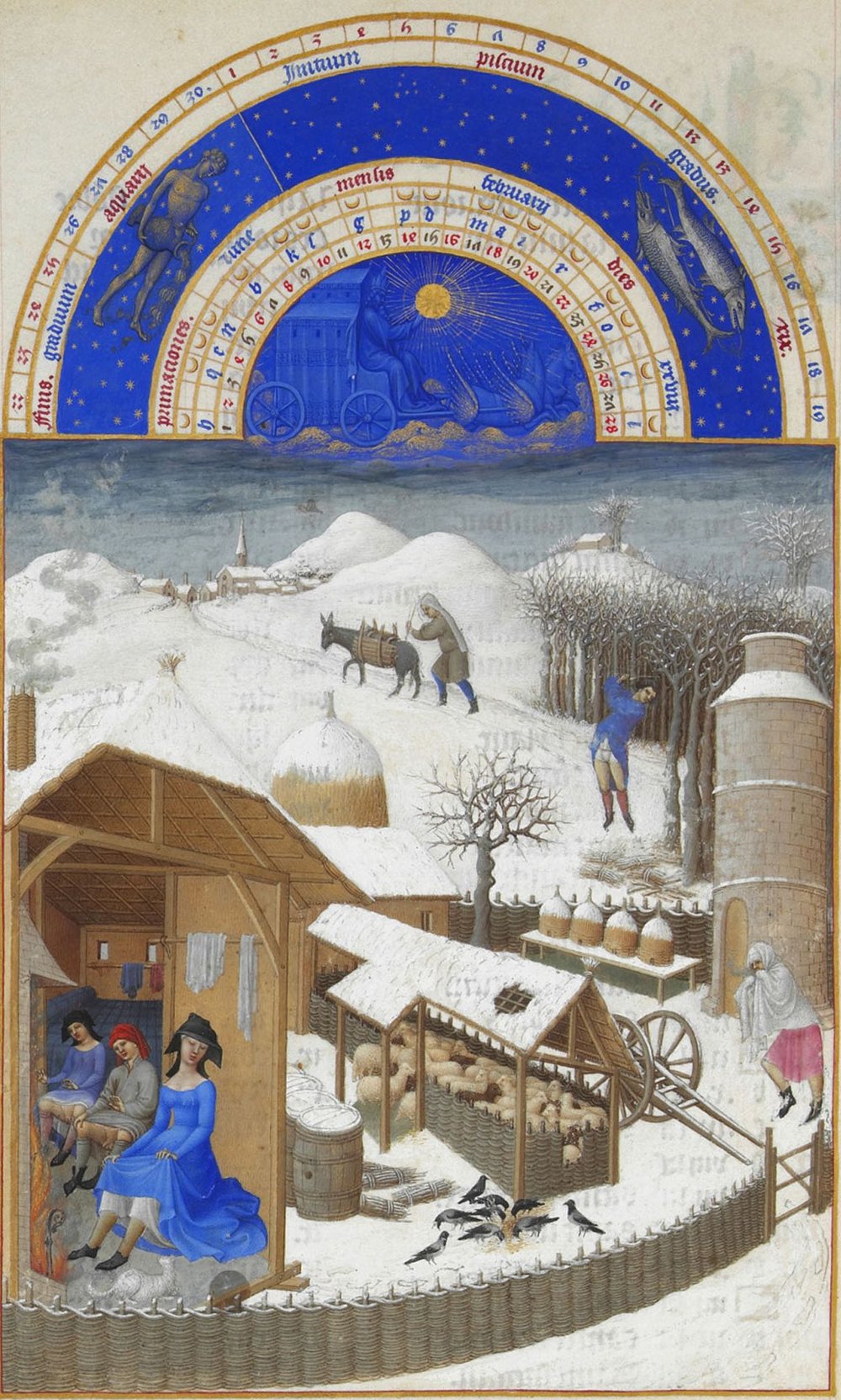
The best source for the Germanic (more precisely, Anglo-Saxon) festival year is a single text: Bede, The Reckoning of Time, chapter 15, written c. 725. Bede describes a lunar calendar whose months are named after the moon. From it we know the real names: Giuli (Yule, the double month around the winter solstice), Solmónath ("month of cakes", when cakes were offered to the gods – not "sun month"), Éosturmónath and Hréþmónath (after the goddesses Éostre and Hreða), Winterfylleth ("winter full moon", the start of winter in October) and Blótmónath, the "month of sacrifice".
The Blótmónath in November is the clearest festival of all: Bede says outright that in it they "dedicated to the gods the cattle they were about to slaughter". Slaughter-time and offering-time fell together – a harvest-thanks in blood and meat before winter came. And the Módraniht, the "night of the mothers" at the turn of the year at midwinter, is one of the most mysterious festivals of the North:
"The night we hold most holy they called in their own tongue Módraniht, that is, ‘the mothers' night' – on account of the ceremonies they kept up all through that night in wakefulness."Bede, The Reckoning of Time, ch. 15 (c. 725) · own translation from the Latin (original public domain)
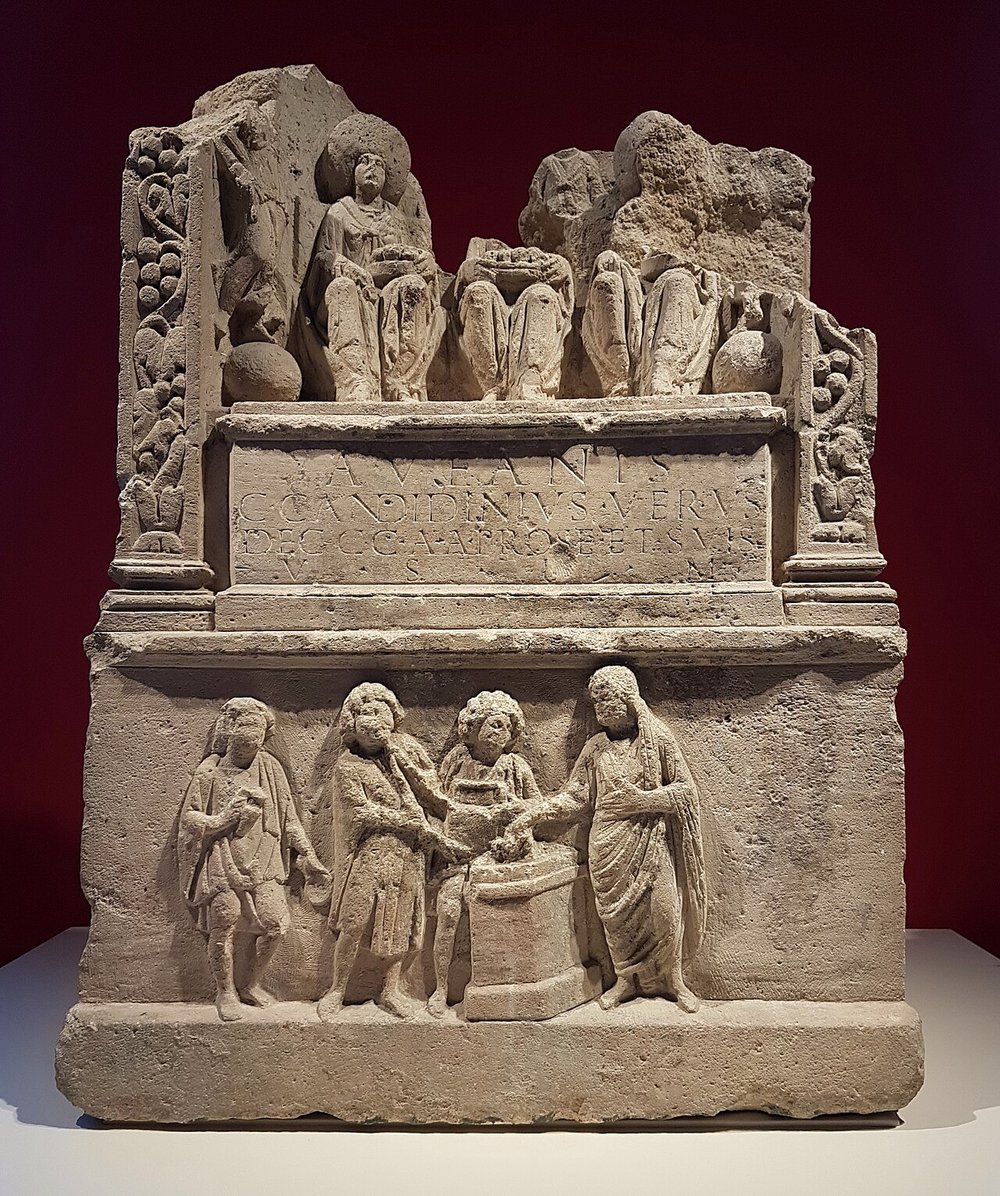
Who these "mothers" were? Most likely ancestresses and guardian goddesses – and here a bridge runs straight into our own home region: the Matronae of the Rhineland.
Because Bede explains the months one by one, the Anglo-Saxon year reads almost like a calendar. After the double Giuli (Yule) came Solmónath with its offering-cakes, then Hréþmónath and Éosturmónath, the months of the goddesses Hreða and Éostre. Þrimilchi ("three milkings") in May shows how rich the pasture now was; the double Líða lay around high summer, Wéodmónath ("weed month") in August, Háligmónath ("holy month") in September – probably the time of harvest thanks. Then the year tipped over: Winterfylleth, the winter full moon in October, opened the dark half, and Blótmónath in November was the great slaughter- and sacrifice-time. A year that hung not on the sun but on milk, harvest and slaughter.
From the continent itself less survives, but there are splinters. As early as c. 98 Tacitus describes the procession of the earth-goddess Nerthus, whose veiled wagon was drawn by cattle across the island – a spring or fertility festival in which weapons rested, followed by a secret washing in the lake. And an 8th-century Frankish list of prohibitions, the Indiculus superstitionum, enumerates the heathen customs to be rooted out: fires kindled by rubbing wood (the "need-fire"), festivals at springs, trees and stones, processions with masked figures. Such lists of bans are the negative of a photograph – they show what was still alive.
In the far North we know the festival year above all from Snorri Sturluson's Ynglinga saga. There stand the three great blóts of the year – brief and clear:
"On winter day there should be a blood-sacrifice for a good year, and in the middle of winter for a good crop; and the third, on summer day, was a sacrifice for victory."Snorri, Ynglinga saga 8 (Old Norse "…til árs … til gróðrar … þat var sigrblót") · trans. Samuel Laing 1844 (public domain)
These three points frame the Norse year: Vetrnætr, the Winter Nights in October (til árs, for a good year) – often joined with the Dísablót for the female guardian spirits and the household Álfablót for the ancestors and elves. Then Jól, the midwinter feast (til gróðrar, for growth). And finally the Sigrblót or Sumarmál at the start of summer in April (til sigrs, for victory).
The Álfablót is even attested contemporaneously: the skald Sigvatr is turned away from a farm in Sweden around 1019 because this very feast is being held – a private, household festival led by the women. And Jól is described at length in the Hákonar saga góða: drinking-horns went round, with the minni, the memory-draught to the ancestors, and the full to Óðinn, Njörðr and Freyr "for a good year and peace". King Hákon the Good, as a Christian, moved the heathen Jól to 25 December – shifting it up against Christmas.
How a blót unfolded is painted most vividly in the Hákonar saga góða: the meat of the sacrificed animals was boiled in great kettles, the blood (hlaut) caught in bowls and sprinkled over altar, walls and people. Then the drinking went round. The first full horn was to Óðinn "for the victory and might of the king", the next to Njörðr and Freyr "for a good year and peace" (til árs ok friðar); last came the minni, the memory-draught to the departed kin. To the feast belonged the sumbel, the solemn drinking with speeches and vows, and the heitstrenging – great oaths sworn at Yule over the boar sonargöltr.
The most famous description of a great sacrificial feast, however, comes from an enemy: Adam of Bremen tells around 1075 of the temple at Uppsala, where every nine years a huge blót with many offerings is said to have taken place. It must be read with care – Adam was a Christian churchman who painted heathenism in the blackest colours and never saw Uppsala himself. It is a hostile outside view, not an eyewitness report.
The Celts had a quite different frame: the four fire festivals, each between the solar points (the "quarter days"). Samhain (1 November) was summer's end and the turn of the year, the night the Otherworld stood open. Imbolc (1 February) fell with the coming of the ewes' milk, the first sign of spring. Beltane (1 May) drove the cattle out to pasture. Lughnasadh (1 August) opened the harvest with great assemblies and games in honour of the god Lug.
The finest single piece of evidence comes from the Irish Sanas Cormaic ("Cormac's Glossary", 9th/10th century) for the fire festival Beltane:
"Beltane, that is, a lucky fire, i.e. two fires which the druids used to make with great incantations; and they used to drive the cattle between them against the diseases of each year."Sanas Cormaic ("Cormac's Glossary"), 9th/10th c. · after the public-domain translation by John O'Donovan & Whitley Stokes, 1868
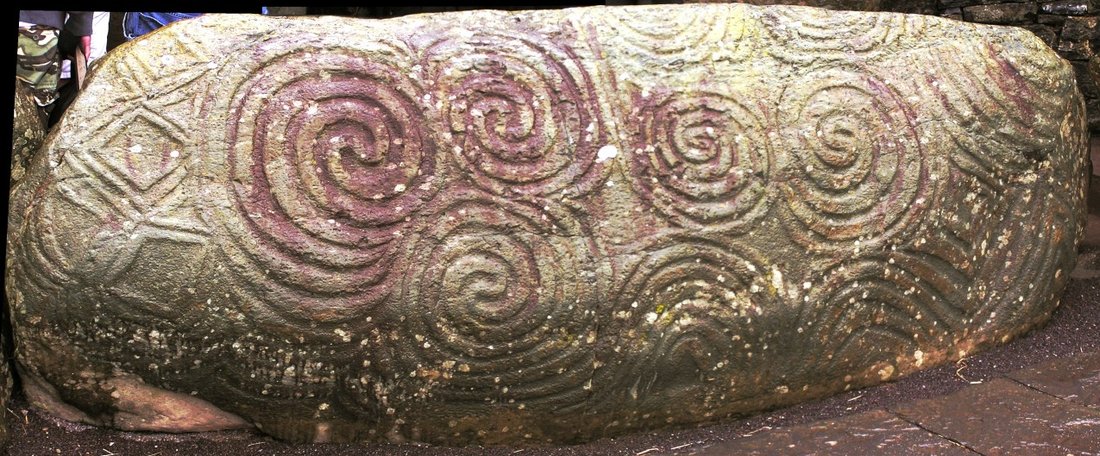
Samhain (1 November) was the greatest: the end of summer and of the grazing season, when the cattle were brought down from the heights and slaughtered. In the Irish tales Samhain is the night when the mounds of the Otherworld stand open and humans, gods and the dead meet; great assemblies and royal rites were held on it, for instance on the sacred hill of Tara. Imbolc (1 February) fell with the coming of the ewes' milk, the first sign of life of the new year; it later became the day of Saint Brigid, who overlies an older goddess. Beltane (1 May) drove the cattle out to pasture with purifying fires. And Lughnasadh (1 August) opened the harvest with the óenach, great assemblies with contests and horse-races in honour of the god Lug – in legend a funeral feast Lug founded for his foster-mother Tailtiu.
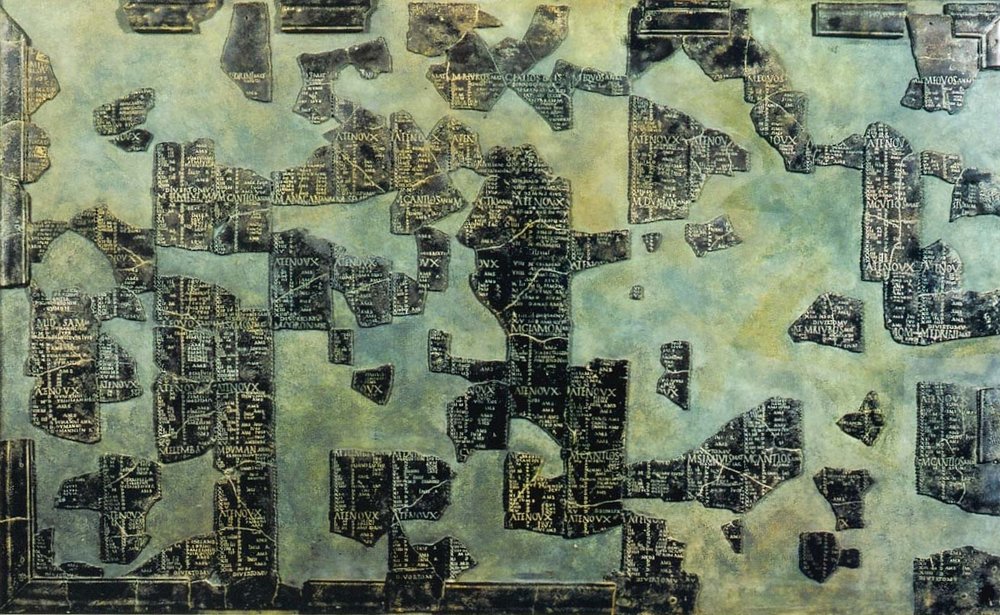
What is striking is what is missing: all four lie between the solar points, not on them. The Celtic festival calendar followed the rhythm of the herds and fields, not the stand of the sun. The bronze Coligny calendar confirms the learned foundation behind it – a finely reckoned moon-sun year – but it names no solstice festival at all.
Lay the three calendars side by side and real parallels appear – and just as real differences. They overlap most at the start of winter (summer's end, slaughter, ancestors) and at the start of summer. At midwinter/Yule Germanic and Norse pull together, the Celts do not know it. And the solstices are secured as a main festival in none of the three traditions – they are exactly what the modern age later added (last column).
| Season | Germanic (Bede) | Norse | Celtic | Modern Wheel of the Year |
|---|---|---|---|---|
| Winter's start / ancestors ~Oct / 1 Nov | Winterfylleth · Blótmónath (slaughter & sacrifice month) | Vetrnætr · Dísablót · Álfablót | Samhain (1 Nov) | Samhain |
| Midwinter Dec/Jan | Módraniht · Giuli (Yule) | Jól (full moon after solstice) | — | Yule |
| Spring's start ~1 Feb | Solmónath (cake offering) | — | Imbolc (1 Feb) | Imbolc |
| Spring equinox ~21 Mar | Éosturmónath / Hréþmónath (goddess months, no sun festival) | — | — | Ostara |
| Summer's start ~Apr / 1 May | Þrimilchi (start of pasture, May) | Sigrblót / Sumarmál | Beltane (1 May) | Beltane |
| Midsummer ~21 Jun | Líða (double month) | (midsummer blót, weakly attested) | — | Litha |
| Harvest's start ~1 Aug | Wéodmónath | (harvest thanks, barely named) | Lughnasadh (1 Aug) | Lughnasadh / Lammas |
| Autumn equinox ~23 Sep | Háligmónath ("holy month") | — | — | Mabon |
Each tradition has its own centre of gravity. The Germanic peoples counted by full moons and slaughter-times, the Norse by three great blóts, the Celts by four fire festivals. A shared "eight-fold wheel" only appears once you lay all the columns on top of one another – and that is a modern idea.
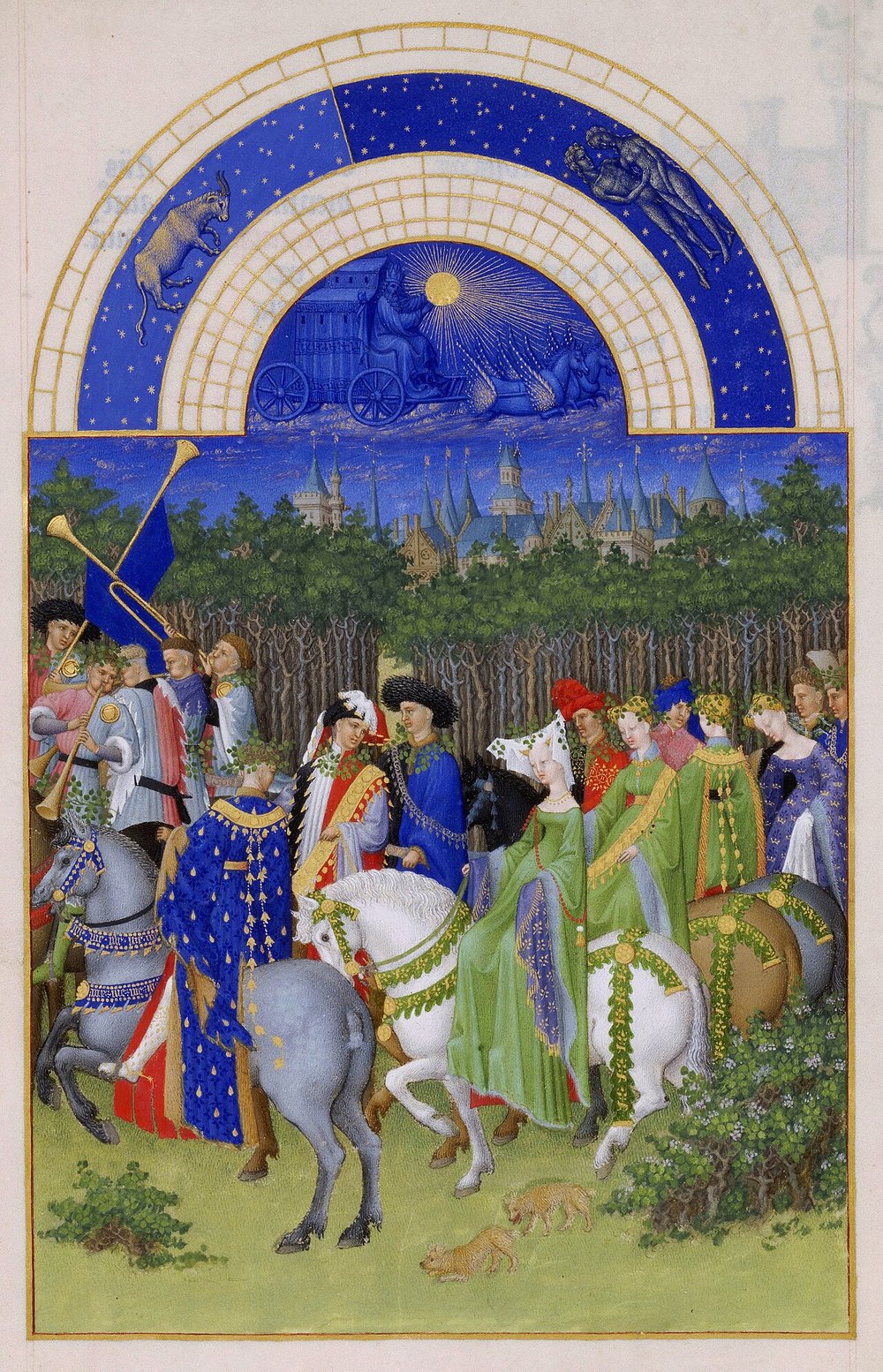
Long before the modern "Wheel of the Year" arose, there was already a blending – the other way round. When Christianity came, the old dates were not simply erased but overlaid. In the year 601 Pope Gregory expressly advised his missionaries not to destroy heathen temples but to consecrate them, and to turn the accustomed sacrificial feasts into Christian holy days, "so that the people may resort to their accustomed places in accustomed joy". That is exactly what happened:
| Old festival | Christian overlay | What is certain |
|---|---|---|
| Yule / Giuli (midwinter) | Christmas (25 Dec) | King Hákon himself moved Jól to 25 December; the name "Jul" still lives across Scandinavia as the word for Christmas. |
| Éosturmónath | Easter | Only in German and English is the feast named after the old month; in almost all other languages it is "Pascha". The name is attested, not a direct rite. |
| Samhain (1 Nov) | All Saints / Halloween | All Saints was set to 1 November in the 8th/9th c.; "Halloween" is its eve (All Hallows' Eve). The dead-theme of both fits together. |
| Imbolc (1 Feb) | Candlemas / St Brigid | Goddess and Saint Brigid merge; Candlemas (2 Feb) takes over the light motif. |
| Lughnasadh (1 Aug) | Lammas ("loaf-mass") | The Anglo-Saxon hlāfmæsse, the mass of the first loaf, falls on the same harvest date. |
Remnants of these old festivals live on with us too, though hardly anyone still calls them "heathen": the Rauhnächte between the years, Walpurgis Night on 1 May, the Easter and midsummer fires, the autumn harvest-thanks, the St Martin's fires in November. In them sits, disguised and half-forgotten, the old year's cycle.
When people today speak of the "Celtic wheel of the year" or "the old year's cycle", they almost always mean the eight sabbats of modern paganism: Yule, Imbolc, Ostara, Beltane, Litha, Lughnasadh (Lammas), Mabon and Samhain – the four solar points and the four fire festivals, evenly spaced around the circle. A fine, round system. Only: it is not even 60 years old.
It was assembled around 1958 in the English Bricket Wood coven around Gerald Gardner (founder of Wicca) in exchange with his friend Ross Nichols (later founder of a druid order). Gardner brought in the four solar points (the Germanic/Norse-inspired solstices and equinoxes), Nichols the four Celtic fire festivals. The compromise: all eight. The term "Wheel of the Year" only became common in the 1960s.
Even individual festival names arose only afterwards. The American Wiccan author Aidan Kelly gave the solar points their present names around 1974: Ostara (from Grimm's Éostre reconstruction), Litha (from Bede's month-name Líða) – and Mabon for the autumn equinox, named after a Welsh mythic figure. There was never an "old Mabon festival"; the name is a 1970s invention.
The term "Wheel of the Year" itself only became common in the 1960s; the Wiccan priestess Doreen Valiente and others helped coin the present set of names. Especially misleading is the widespread talk of a "Celtic wheel of the year": of the eight festivals only four are Celtic, two carry Germanic/Anglo-Saxon names (Yule, Litha), and Ostara and Mabon are modern creations. A "Celtic eight-fold wheel" never existed.
So how does one celebrate "correctly"? There is no wrong. Modern heathen communities – such as the Eldaring – take the source-critical path: they lean deliberately on the attested festivals (Winter Nights, Jól, Sigrblót/Sumarmál), reconstruct rite and date as honestly as possible, and keep the Viking age apart from modern custom. Many prefer the old lunar rhythm to a fixed date – and that is exactly where our tools come in.
Whoever wants to feel the old year's cycle first-hand will find two aids with us: the Blót calendar with the Norse festivals and their dates, and the Germanic moon calendar, which reckons Jól, Winter Nights and the start of summer by the real moon – the way the old people did. And for whoever would make a festival tangible, we engrave a name, a date or a verse into a tealight holder, slate or wood. A light for the dark time, a mark for the bright beginning.
Primary: Bede, The Reckoning of Time ch. 15 (c. 725); Snorri, Ynglinga saga 8 & Hákonar saga góða 13–14 (Heimskringla, c. 1230); Sigvatr, Austrfaravísur (~1019); Sanas Cormaic (9th/10th c.); the Coligny calendar (2nd c.); Tacitus, Germania. Scholarship: R. Hutton, The Stations of the Sun (1996) & The Triumph of the Moon (1999); A. Nordberg, Jul, disting och förkyrklig tideräkning (2006); P. A. Shaw, Pagan Goddesses in the Early Germanic World (2011); B. Maier, The Religion of the Celts (2001). Public-domain translations (Laing 1844; O'Donovan & Stokes 1868); Bede quotations translated from the Latin. All interpretations above are marked as such.
Picture credits: Très Riches Heures (February, May) – Limbourg brothers, c. 1416, public domain. Matron altar, Bonn – photo Kleon3, CC BY-SA 4.0. Coligny calendar – public domain (Lugdunum Museum). Newgrange entrance stone – photo Alan Bruce, CC BY 2.0. All via Wikimedia Commons.
Related deep-dives with us: The Germanic feasts · Jól – the Yule feast · Ostara & spring · The solstice festivals · The old year's cycle · Forgotten month names · Blót calendar · Moon calendar.
