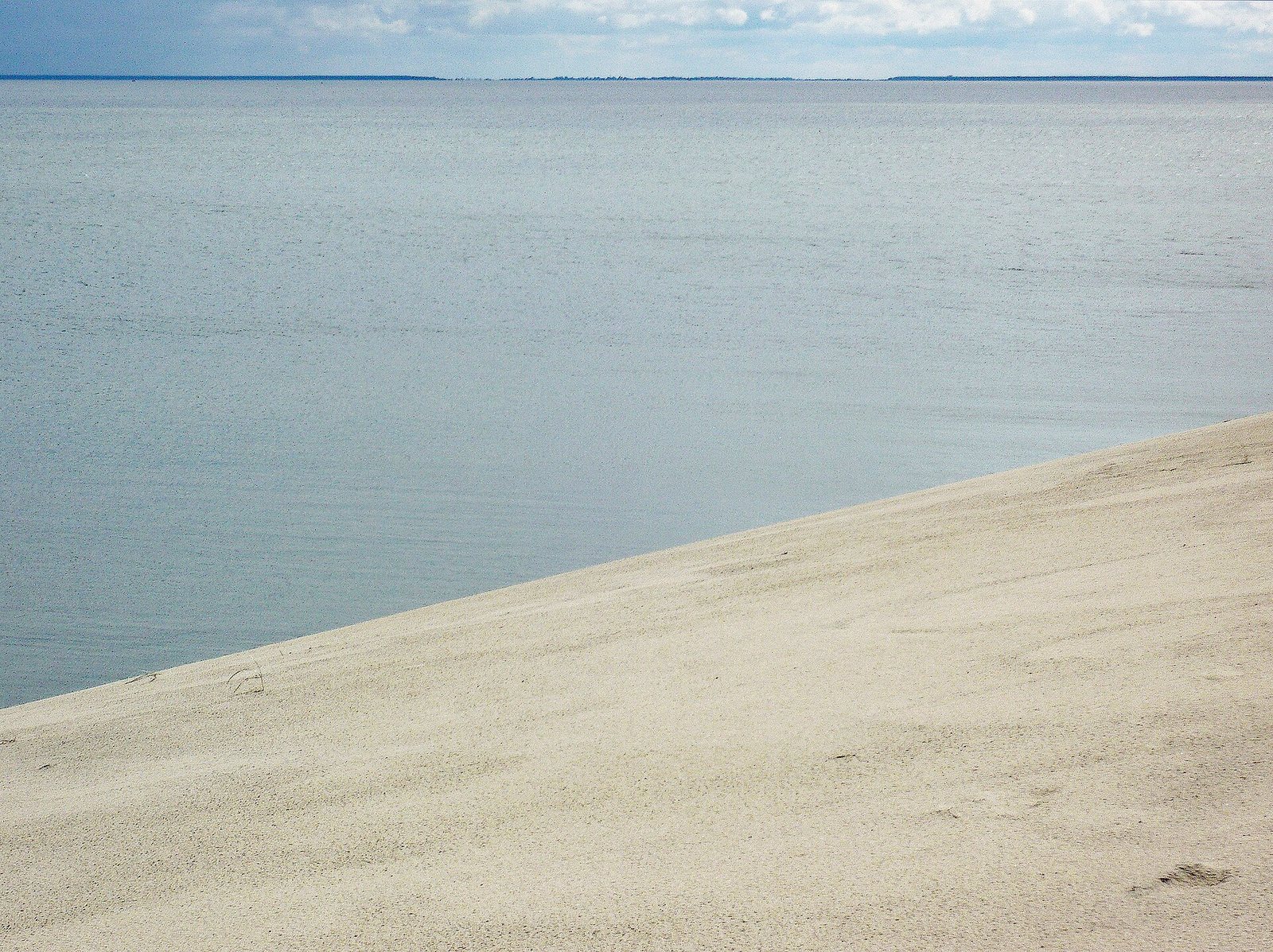
The Aestii were a people on the south-eastern Baltic coast. Tacitus reckons their customs to the Suebi, but says their language rather resembles the British.
"They alone search the sea and gather the amber, which they call glesum."after Tacitus, Germania 45 (public domain, own translation)
The Aesti were a people on the south-eastern coast of the Baltic, in the amber land of today's regions of East Prussia, Lithuania and the Baltic states. Their wealth lay literally on the beach: amber, the "gold of the north".
Tacitus devotes a whole section to them in his "Germania". He reports that the Aesti gathered amber (which he calls glesum) from the sea and the coast – and were themselves astonished that the Romans paid so much for it, for they had long not even recognised the value of the resin.
Tacitus describes the Aesti as diligent farmers who worshipped a "Mother of the gods" and wore boar emblems as a sign meant to protect them in battle. Their language, says Tacitus, resembled that of the Britons rather than the Germani – a hint at their Baltic character.
From the Baltic the Amber Road ran right across Europe to the Adriatic and to Rome. Through this network the precious stone from the land of the Aesti reached the workshops and jewel-boxes of the Mediterranean world – an early long-distance trade over thousands of kilometres.
The name of the Aesti lives on to this day – though shifted: from Aesti later came the name of the Estonians and Estonia, although it originally sat further south. Thus an ancient people's name wandered along the Baltic over the centuries.
The Aesti show how a seemingly distant coastal people was linked through amber with the whole ancient world. Such trade stories we at GLANZ & GRAVUR like to tell – and amber is to this day a piece of the north to touch.
The Aestii lead to the amber coast. Continue with the Suiones and Gutones.
The Suiones · The Sitones · The Gutones · The Bastarnae · The Goths.
