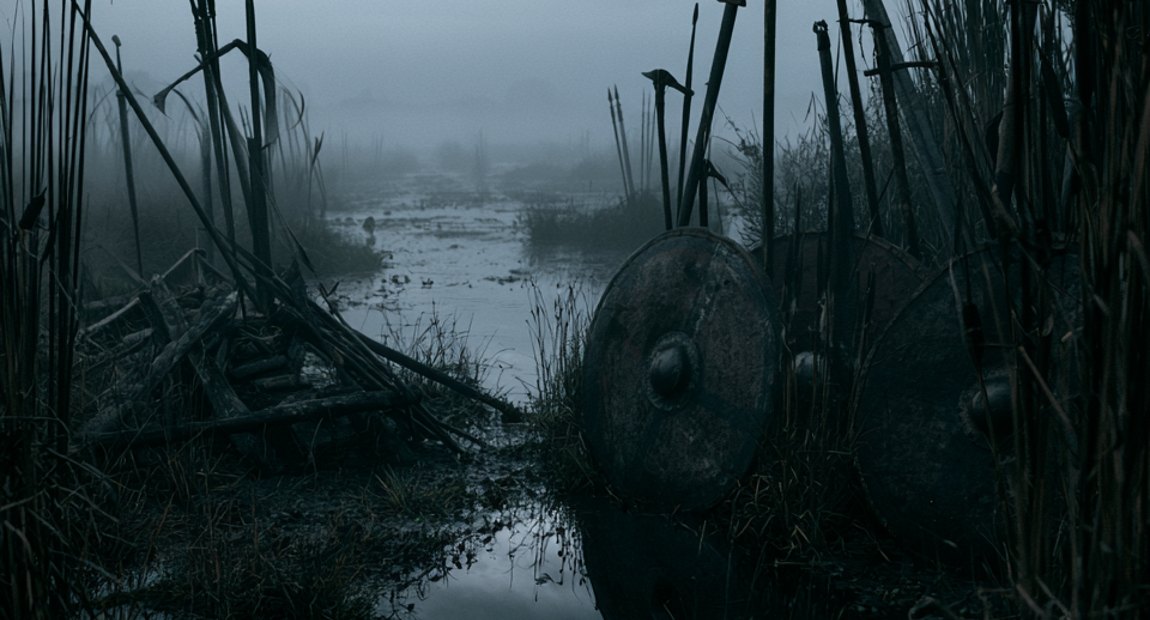
The Allobroges were a Celtic people in the south-east of Gaul, between the Rhône, Isère and the Alps, in the area around Vienne and later Geneva.
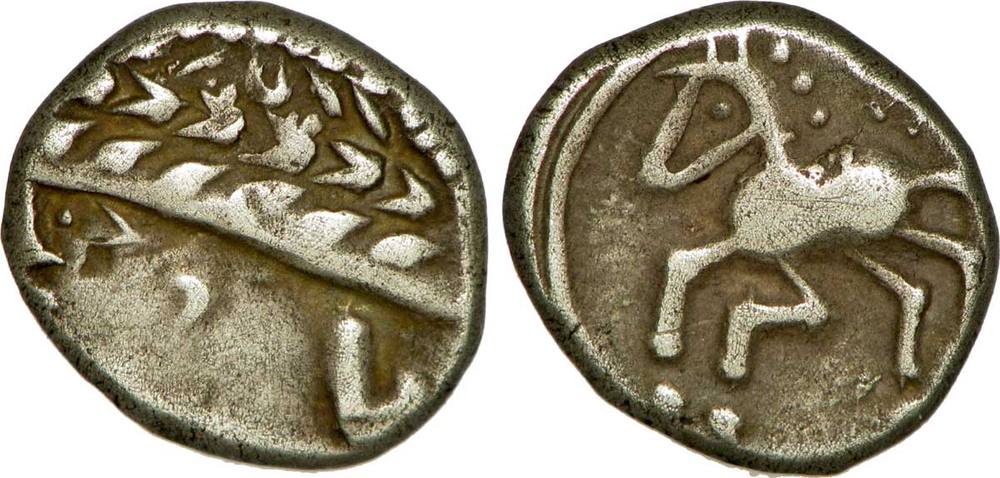
"The Allobroges, subdued only shortly before, were not yet well disposed to Rome."after Caesar, The Gallic War I (public domain, own translation)
The Allobroges were a powerful Celtic people in the south-east of Gaul, between the Rhône, the Isère and the Alps – in the area of today's Savoy and Dauphiné. Their land was fertile and well connected, a link between Italy and the interior of Gaul.
Already in 121 BC – long before Caesar's Gallic War – the Allobroges were subdued by Rome and incorporated into the province of Gallia Narbonensis. They were thus among the first Gauls under Roman rule.
In 63 BC envoys of the Allobroges played a surprising role in Rome: the conspirators around Catiline tried to win them as allies. But the Allobroges betrayed the plan – and gave Cicero the decisive proof to expose the conspiracy.
In 61 BC the Allobroges rose against the burdens of Roman rule but were defeated. Afterwards their land flourished; their chief town Vienna (Vienne) became a splendid Roman city on the Rhône.
The Allobroges show how closely Gaulish tribes were intertwined with Roman politics early on – right into a famous conspiracy. At GLANZ & GRAVUR we tell this from the sources.
The Allobroges stand at the transition from the Celtic to the Roman world. Continue with the Helvetii and Aedui.

The Helvetii · The Aedui · The Arverni · The Celtic Warriors · Celtic Religion.
All History & Finds articles →
High above the world of humans, beyond the burning rainbow bridge, lies Asgard – the fortified home of the Æsir. It is …
Read more →