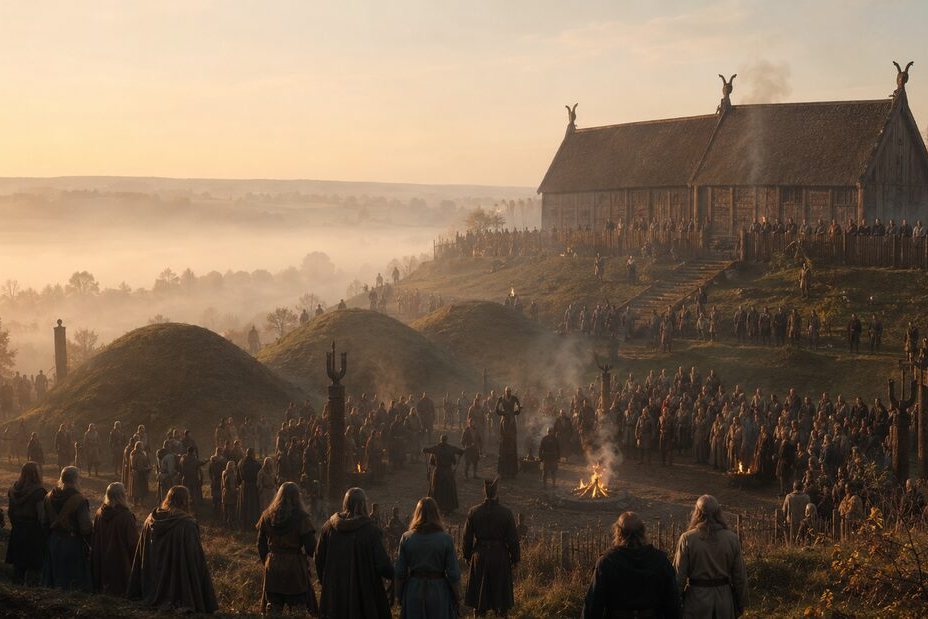
The Bastarnae were a Germanic people in the east, between the Carpathians and the Black Sea. They are among the earliest Germani to appear, as early as the 3rd–2nd century BC, in Greek and Roman sources.
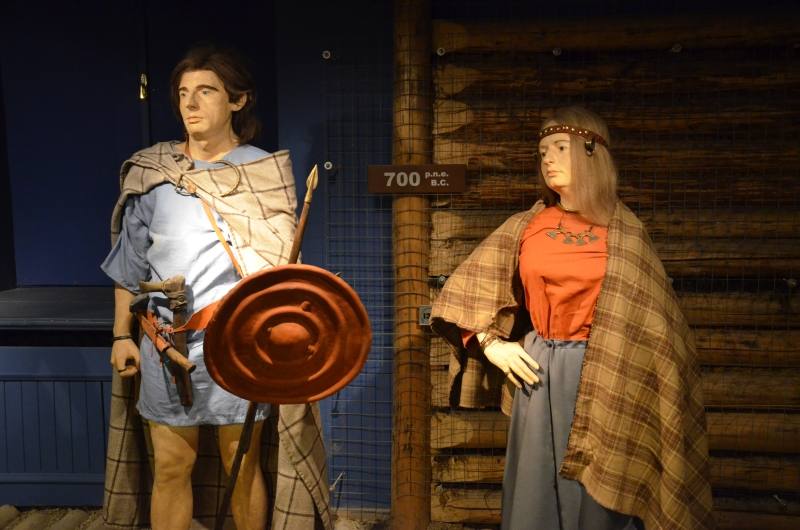
As feared warriors they served Hellenistic kings and repeatedly clashed with Rome. Tacitus describes them as Germani in language and way of life – but mixed with Sarmatian neighbours.
For centuries the Bastarnae held on in the border region; later parts were resettled into the Roman Empire. They show how far the Germanic world and the steppe world touched – long before the Goths.
"The Bastarnae show in language and way of life the manner of the Germani."after Tacitus, Germania 46 (public domain, own translation)
The Bastarnae lived far in the south-east, between the Carpathians and the mouth of the Danube on the Black Sea. They are regarded as one of the earliest Germanic peoples to appear in the ancient sources – centuries before the actual Viking Age.
As feared warriors the Bastarnae took part in the wars of the Hellenistic world. Macedonian kings hired them as mercenaries; later they clashed with Rome. Their mobility and fighting power made them a sought-after as well as dangerous factor.
A part of the Bastarnae, the Peucini, sat on an island in the Danube delta called Peuke. Tacitus counts them among the Bastarnae and describes them as a border people between the Germanic and the Sarmatian world.
Tacitus himself hesitates: in language and way of life the Bastarnae were Germanic, yet through intermarriage with the Sarmatians they had taken on something of their manner. This makes them a prime example of how fluid "boundaries of peoples" were in antiquity.
The Bastarnae show that the Germanic world reached far into the south-east early on and mixed with other cultures. At GLANZ & GRAVUR we tell this from the sources – without forcing the ancient peoples into fixed pigeonholes.
The Bastarnae lead to the Germanic east. Continue with the Goths and Gutones.

The Goths · The Sciri · The Gepids · Cimbri & Teutones · The Heruli.
All History & Finds articles →
Between the world of humans and the world of the gods a bridge of light is stretched: Bifröst, the rainbow. It is the …
Read more →Long before the Edda was written down, the people of Gotland told their stories in stone – in images that still puzzle …
Read more →