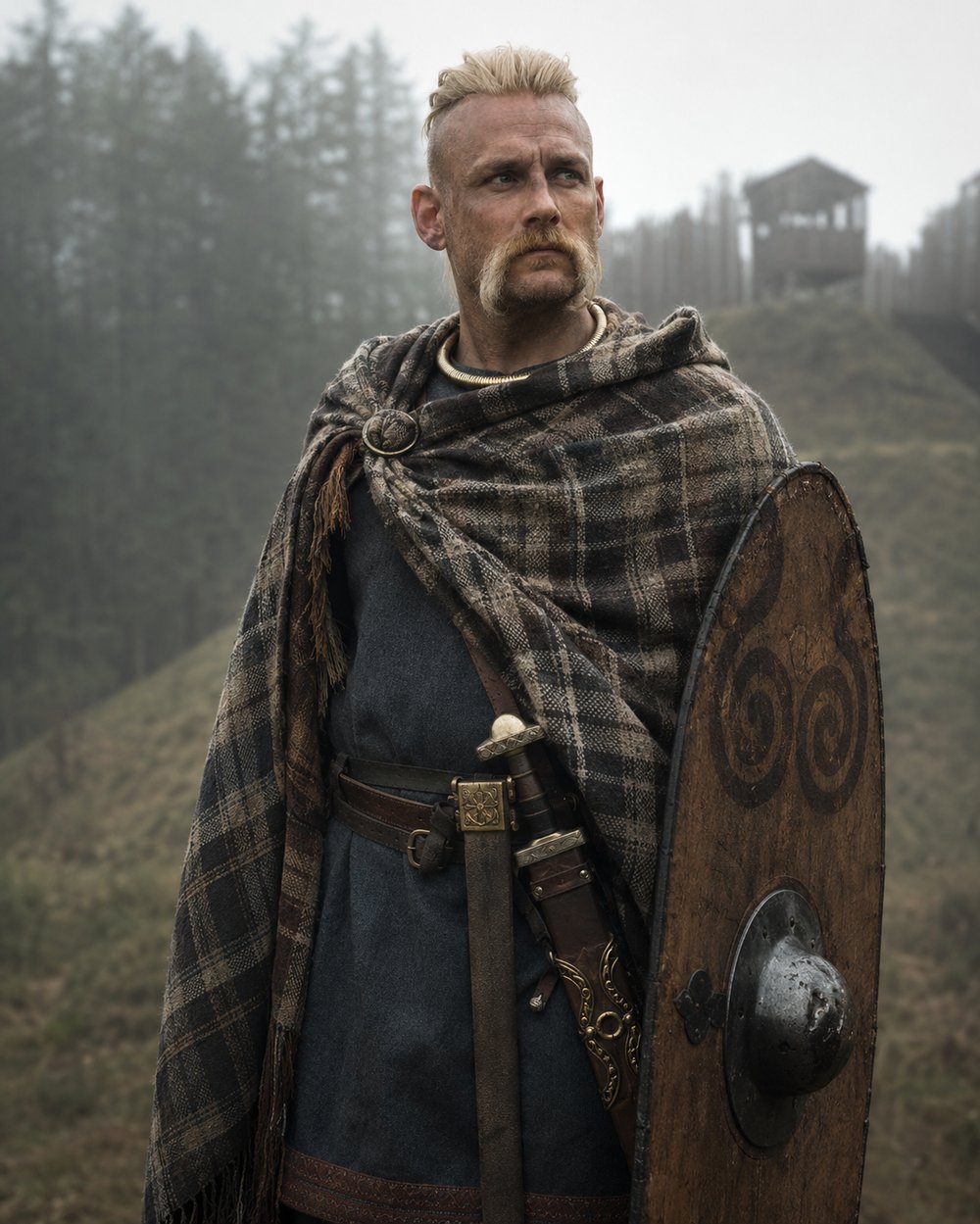
The Bituriges were a mighty Celtic people in central Gaul, around today's Bourges. Their capital was Avaricum.
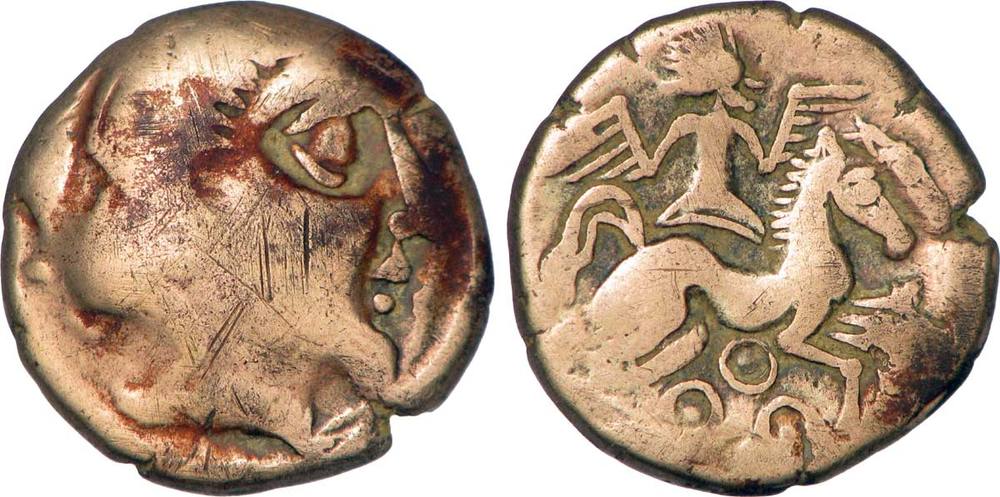
In the great revolt of 52 BC Vercingetorix ordered all towns burned to deny Caesar supplies. The Bituriges begged that their beautiful Avaricum be spared – and the Gauls gave in.
Caesar besieged the city despite hunger and rain with enormous siege works. When it fell, the Romans carried out a massacre: of around 40,000 people, only a few hundred are said to have escaped. Avaricum became a symbol of the harshness of this war.
"They held Avaricum to be the fairest city of almost all Gaul."after Caesar, The Gallic War VII (public domain, own translation)
The Bituriges were a Celtic people in the centre of Gaul, around today's Bourges. Their name means "kings of the world" – a hint that they once claimed a leading role among the Gaulish tribes.
Their chief town Avaricum (Bourges) was regarded as one of the most beautiful cities of Gaul. When Vercingetorix resorted to a scorched-earth policy in 52 BC and had all cities burned to starve out Caesar, the Bituriges begged imploringly to spare their beautiful Avaricum.
Avaricum was spared – and besieged by Caesar. Despite rain, sorties and fierce resistance the Romans finally took the city. The massacre that followed was cruel: Caesar himself reports tens of thousands dead.
The Bituriges belonged to the core of the revolt of Vercingetorix. Their fate shows the full harshness of the Gallic War – and the high price the scorched-earth policy demanded.
Avaricum stands for the tragedy of a war in which even one's own side had to sacrifice cities. At GLANZ & GRAVUR we tell this from the sources – the dark chapters too belong to history.
The Bituriges show the high price of the Gallic fight for freedom. Continue with the Arverni and Cadurci.

The Arverni · The Aedui · The Senones · The Carnutes · The Celtic Warriors.
All History & Finds articles →
Since 1878, Birka’s grave Bj 581 had been the textbook example of a high-status Viking warrior – the „ultimate Viking" …
Read more →Sometimes history is found not with the spade but with the computer. For a long time four of Harald Bluetooth's famous …
Read more →„So did they wear horned helmets or not?" The honest answer is a double no and yes: the Vikings did not. But the North …
Read more →