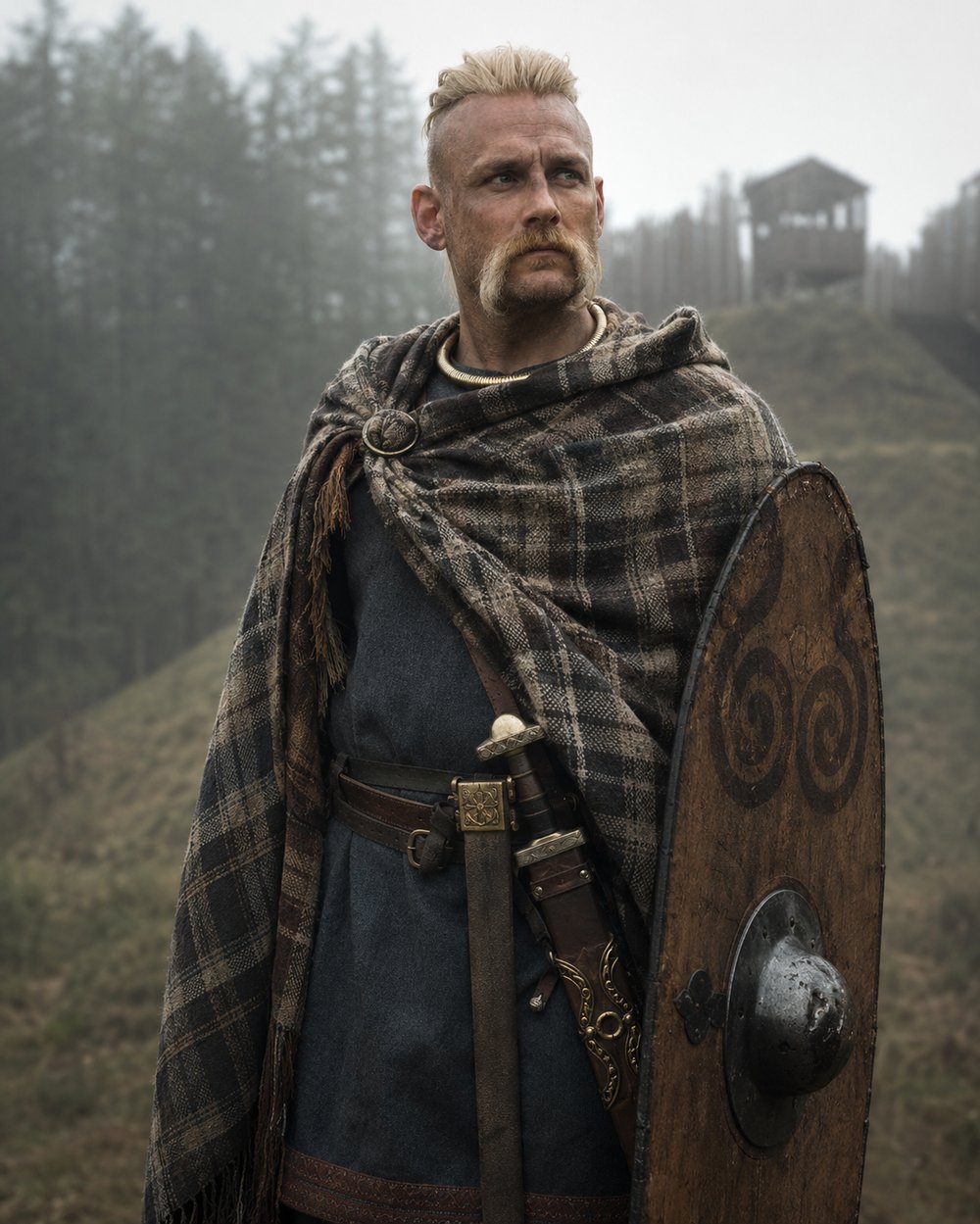
The Carnutes were a Celtic people in central Gaul, between the Loire and the Seine, in the area of today's cities of Chartres and Orléans.
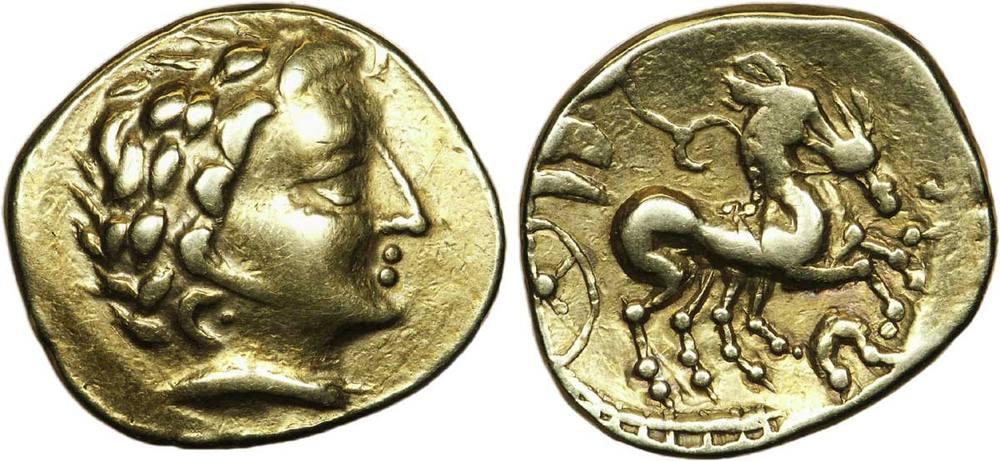
Caesar reports that the druids of Gaul assembled once a year in the territory of the Carnutes – at a consecrated place regarded as the centre of all Gaul. All who had legal disputes came there to submit to the judgements of the druids.
In 52 BC it was the Carnutes who gave the signal with a massacre of Roman traders at Cenabum (Orléans) – the start of the great Gallic revolt under Vercingetorix. Their sacred centre made them the spiritual heart of Celtic Gaul.
"At a consecrated place in the territory of the Carnutes, which is held to be the centre of all Gaul."after Caesar, The Gallic War VI (public domain, own translation)
The Carnutes were a Celtic people in central Gaul, between Seine and Loire, around today's cities of Chartres and Orléans. Caesar reports that their territory was regarded as the centre of all Gaul – a land of religious and political importance.
According to Caesar the Druids of Gaul met once a year at a sacred place in the land of the Carnutes to speak law and settle disputes. This makes the Carnutes a spiritual centre of the Celtic world.
In 52 BC the Carnutes gave the signal for the great revolt: in their town of Cenabum (Orléans) they killed the Roman merchants settled there. This massacre was the spark that ignited the revolt of Vercingetorix.
The retaliation was terrible: Caesar had Cenabum plundered and burned and the inhabitants killed or enslaved. The Carnutes paid dearly for their courage in having made the start.
The Carnutes link religion and resistance: the spiritual heart of Gaul and the spark of its last great fight for freedom. At GLANZ & GRAVUR we tell this from the sources – to be read in Caesar, but read critically.
The Carnutes lead into the heart of Celtic religion. Continue with the druids and the Arverni.

The Druids · Celtic Religion · The Celtic Warriors · The Arverni · The Aedui.
All History & Finds articles →
Sometimes a war is won not with the sword but with the purse. In 991 the English ealdorman Byrhtnoth faced a Viking …
Read more →