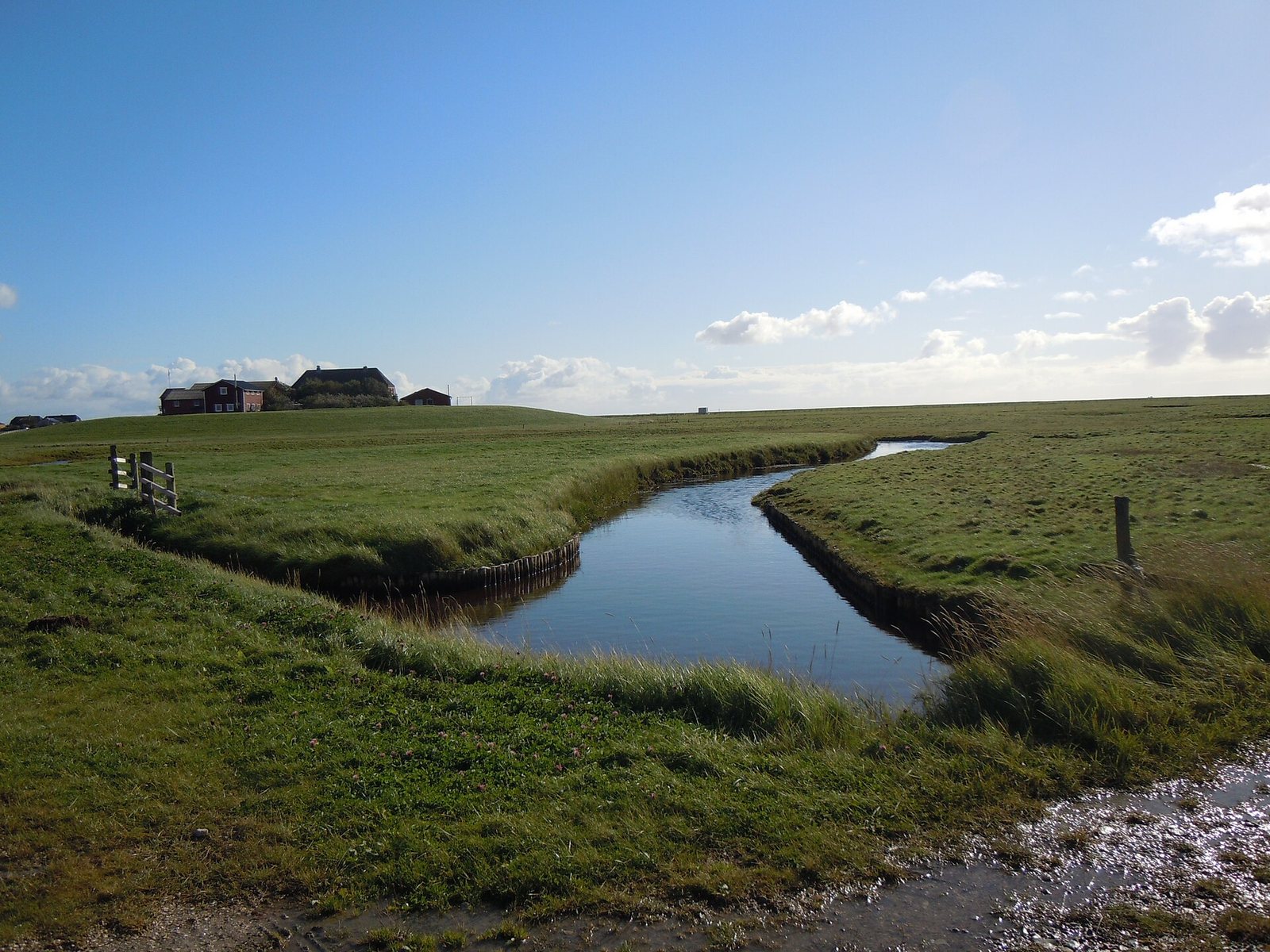
The Chauci were a large Germanic tribe on the German North Sea coast, roughly between the Ems and the Elbe – in the land of marshes and tidal flats. They lived on artificially raised dwelling mounds, the terpen/warften, to protect themselves from the floods.
No tribe shows so well how much ancient sources colour their picture. Tacitus praises the Chauci as the noblest and most just people of the Germanic world, who preserve their greatness through justice rather than plunder. Pliny the Elder, by contrast, who had seen the coast himself, describes them as pitiable people who dwelt in the mud between the tides and dried peat for fuel. Two Romans, two utterly different images of the same people.
Despite Tacitus' praise, the Chauci were also feared seafarers and pirates: in the 1st century AD they raided the Roman provinces on the Rhine and in Gaul with their boats. They are thus among the earliest "Vikings" of the North Sea – long before the actual Vikings existed. Later the Chauci merged into the great tribal confederation of the Saxons.
"Wits must he have who wanders wide, but all is easy at home."Hávamál 5, after Henry A. Bellows 1923 (public domain)
The Chauci were a great Germanic tribe on the North Sea coast, between Ems and Elbe. They lived in a land of tidal flats, marsh and creeks and built artificial dwelling mounds, the terps, on which their farms defied the floods.
Tacitus praises the Chauci effusively as "the noblest people of the Germani", who preserve their greatness through justice rather than robbery. A rare praise from a Roman mouth – which admittedly was also meant as a model contrast to other tribes.
Yet the Chauci had another side too: Pliny describes their meagre life on the terps, and later they appeared as bold sea-raiders who attacked the Roman coasts with boats. They are among the early "Vikings" of the North Sea, long before the actual Viking Age.
Over the centuries the Chauci merged with neighbouring coastal peoples into the great confederation of the Saxons. Thus their seafaring legacy lives on in the later Saxons and Anglo-Saxons.
The Chauci remind us that the North Sea was a sea of seafarers long before the Vikings – and that every image of a people depends on who draws it. They are related to the Bructeri and neighbours of the Cherusci.
The Cherusci & Arminius · The Bructeri · The Marsi · The Suebi · Germanic Religion.
All History & Finds articles →
Sometimes a war is won not with the sword but with the purse. In 991 the English ealdorman Byrhtnoth faced a Viking …
Read more →In 723 an Anglo-Saxon missionary stood axe in hand before the holiest tree of the Hessians – the oak sacred to the …
Read more →