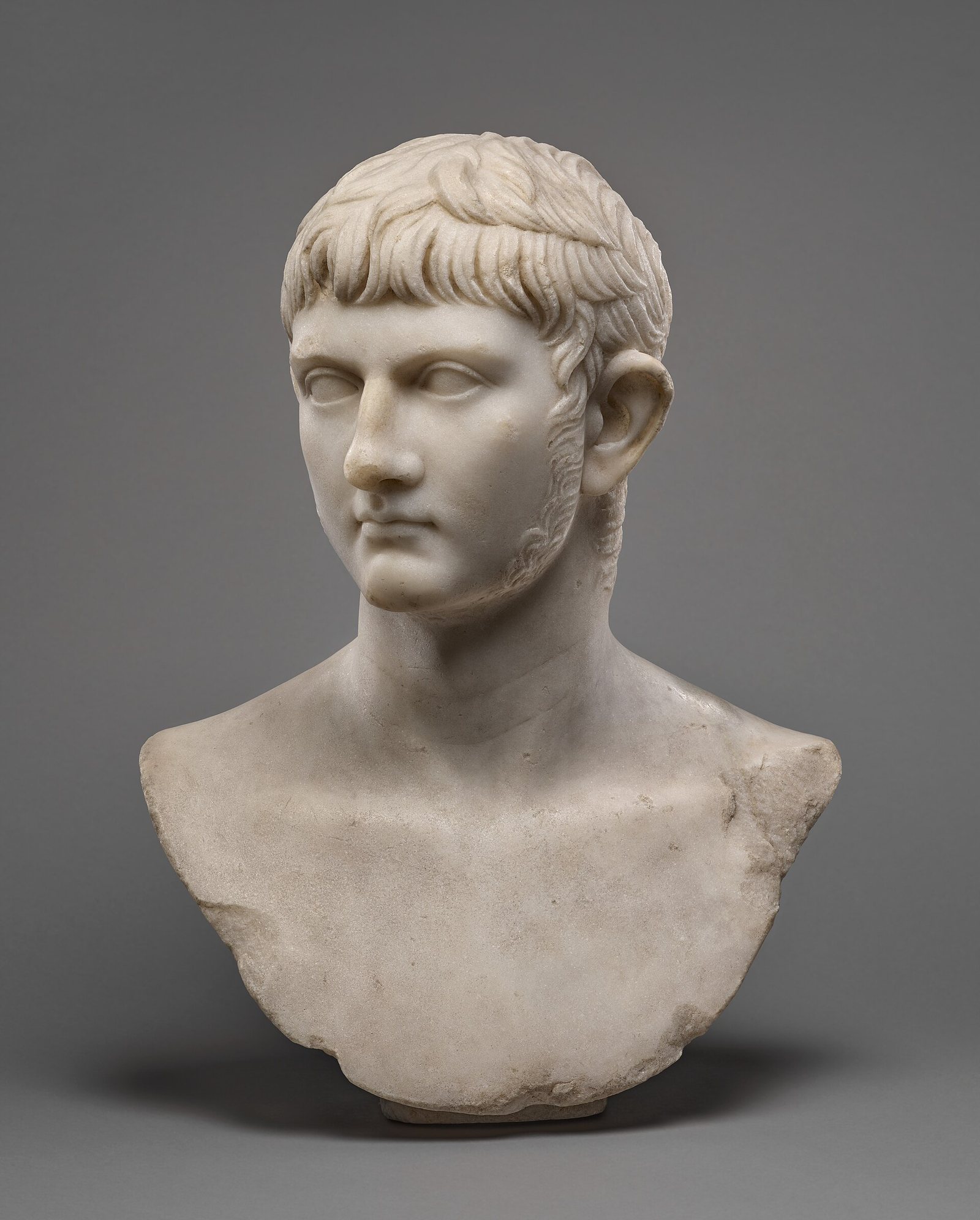
The Marsi were a Germanic tribe in north-western Germany, roughly between the Lippe and the Ruhr – in the wider surroundings of the Cherusci and Bructeri. They were among the tribes involved in the revolt of Arminius against Rome.
In 14 AD, in the campaign of revenge after the Battle of the Teutoburg Forest, the Roman commander Germanicus fell upon the Marsi in the middle of the night, during a festival. Tacitus reports coolly that the sanctuary of Tanfana was razed to the ground and the region devastated far and wide. It is one of the most brutal scenes of the Roman-Germanic wars – and shows how deliberately Rome struck the sanctuaries of its enemies.
"The sanctuary most famous among those peoples, called that of Tanfana, they levelled to the ground."after Tacitus, Annals I,51 (public domain, own translation)
The Marsi were a Germanic tribe in the north-west, roughly between Lippe and Ruhr. They belonged to the peoples that played a role in the fighting between Germani and Rome after the Varus battle of AD 9 – and guarded one of the most famous cult sites of Germania.
In the land of the Marsi lay the widely worshipped sanctuary of the goddess Tanfana. Such cult sites were not only religious centres but also places of assembly and signs of the identity of a whole people.
In AD 14 the Roman general Germanicus fell upon the Marsi as they, unsuspecting, celebrated a nocturnal feast. According to Tacitus the sanctuary of Tanfana was levelled to the ground and wide regions devastated – a deliberate blow against cult and people.
Among the Marsi one of the three Roman legionary eagles lost in the Varus battle was recovered – a sign of how deeply they were entangled in the great struggles.
The Marsi stand for the lost divine world of the West Germanic tribes: an important sanctuary, wiped out in a night – and a goddess of whom only the name remained. More in the overview Germanic Religion.

The Cherusci & Arminius · The Bructeri · Germanic Religion · Veleda · The Chatti.
All History & Finds articles →
To a farmer from Uppland, „the great city" was as unimaginable as another planet. Constantinople had walls that fire …
Read more →Whoever won did not always keep the spoils. In the Roman Iron Age, Germanic victors sank the entire equipment of …
Read more →