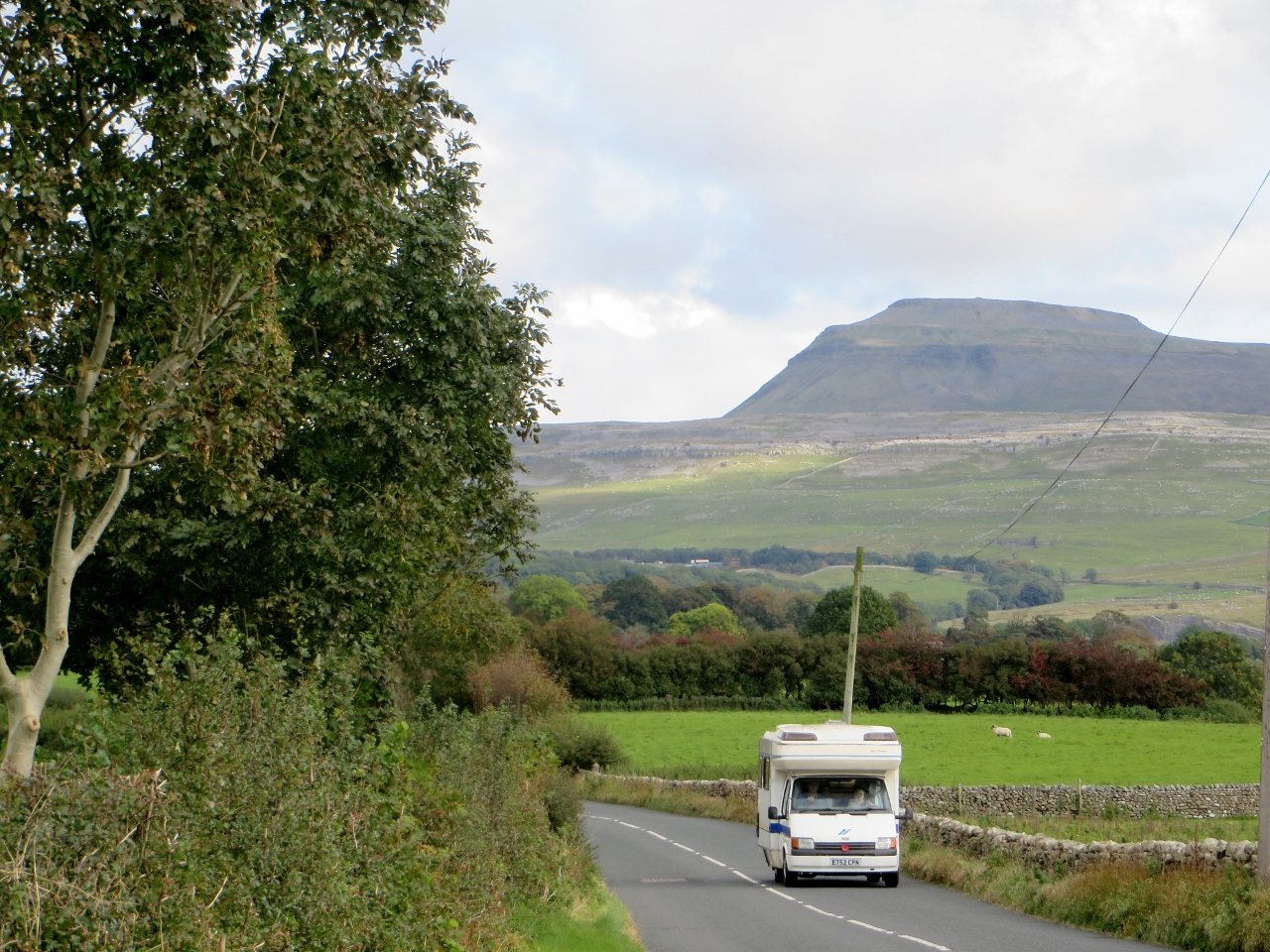
The Brigantes were the largest Celtic people of Britain, settled in the north of England. Their wide territory made them a key factor in the Roman conquest.
"Cartimandua, queen of the Brigantes, powerful through noble descent."after Tacitus, Histories 3 (public domain, own translation)
According to Tacitus the Brigantes were the most populous people of Britain. Their wide territory lay in the north of England, around the Pennines. Such a large tribal confederation was hard to unite – one reason why internal rivalries shaped its history.
At the head of the Brigantes stood Cartimandua, one of the few named queens of antiquity to rule in her own right. She bound her realm closely to Rome and thus long preserved her power. Her rule shows that women in the Celtic world could hold high political positions.
In AD 51 the defeated British leader Caratacus fled to the Brigantes and asked for protection. But Cartimandua handed him over to Rome – a breach of hospitality that earned her the reputation of a traitor in tradition. From the Roman view it was shrewd realpolitik that spared her realm from war.
The peace did not hold: Cartimandua's husband Venutius rose against her and Rome. Rome saved the queen, but in the end the realm of the Brigantes fell apart and was incorporated into the province around AD 71. Their great centre at Stanwick fell, and the largest people of Britain lost its freedom.
The position of the Brigantes was difficult: too large to be overlooked, too divided to act as one. Cartimandua's pro-Roman policy secured peace and trade but split her own people. One faction wanted the alliance with Rome, another independence. In this tension lies the key to their rise – and their fall.
The realm of the Brigantes is attested by mighty earthworks like the huge oppidum of Stanwick, together with place names and the later Roman town of Isurium Brigantum (Aldborough). After annexation their land became the military heartland of northern Britain, where Hadrian's Wall later arose. Thus the name of the Brigantes lives on in the landscape, long after their kingship had passed.
Cartimandua and the Brigantes remind us that the Celtic world knew queens, pursued complex politics and rarely matched the cliché of the wild barbarian. Their realm vanished, yet its name lives on in the hills and towns of northern England. Such stories bring antiquity to life – and we at GLANZ & GRAVUR tell them with care, because the real people behind the names are worth every memory.
The Brigantes show Rome's game with Celtic kingdoms. Continue with the Silures and Britons.

The Britons · The Caledonians · The Silures · The Ordovices · The Atrebates.
All History & Finds articles →
„So did they wear horned helmets or not?" The honest answer is a double no and yes: the Vikings did not. But the North …
Read more →