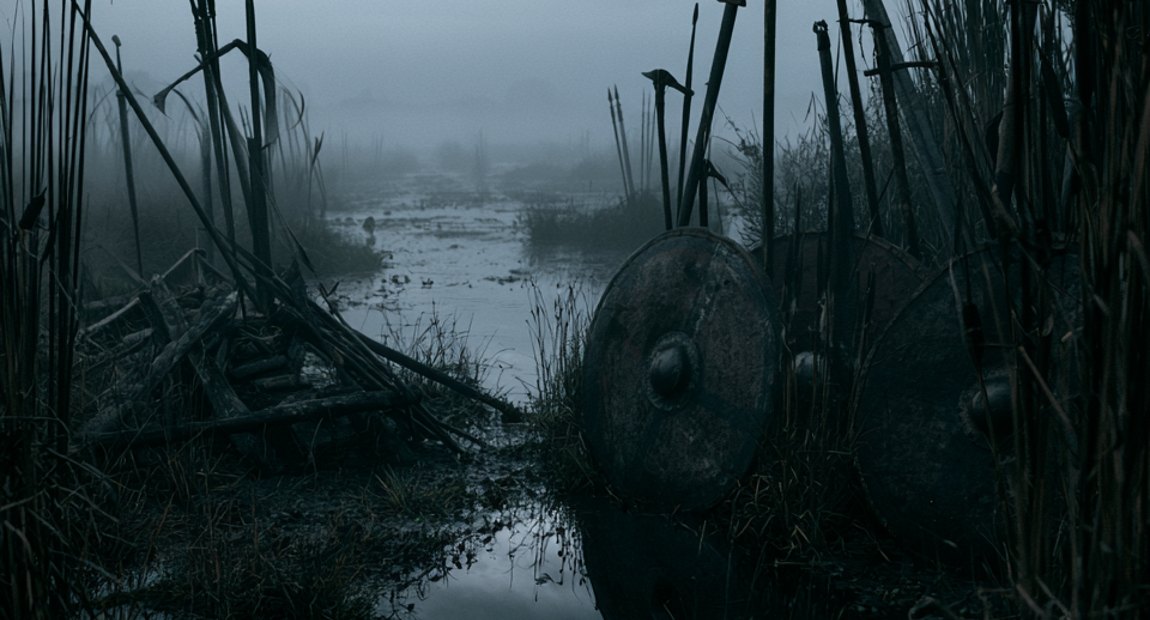
The Atrebates were a Belgic-Celtic people in the north of Gaul, around today's Arras (whose name derives from them).
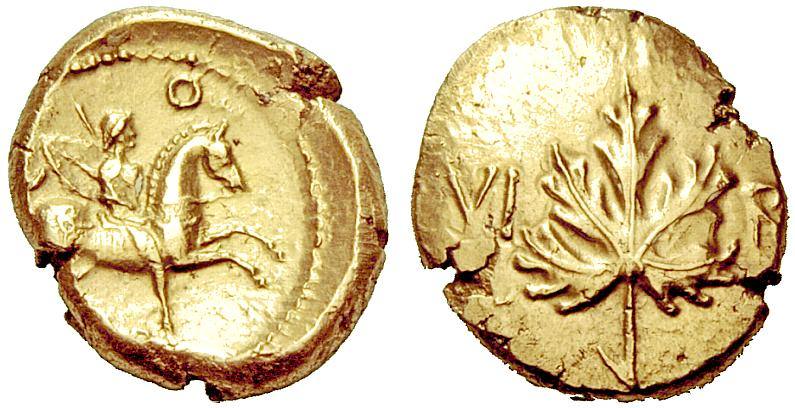
Their prince Commius was at first Caesar's ally and mediator in Britain – but then, in the great revolt of 52 BC, switched to the side of Vercingetorix. After the defeat he fled across the Channel.
In southern Britain the Atrebates under Commius and his successors founded a kingdom of their own (around Silchester/Calleva). So the name of the Gaulish people lived on in Britain – a rare case of a tribe on both sides of the sea.
"Commius, who enjoyed great standing among the Atrebates."after Caesar, The Gallic War IV (public domain, own translation)
The Atrebates were a Belgic tribe in the north of Gaul, in the region of today's Artois around Arras. Like all Belgae they were regarded as especially warlike – Caesar himself praised the bravery of the Belgic peoples, who resisted Roman influence the longest.
Their most famous leader was Commius. First installed as king by Caesar and sent as a mediator to Britain, he later turned against Rome and joined the great revolt of Vercingetorix. From ally to bitter enemy – Commius's life mirrors the struggle of all Gaul.
After the failure of the revolt Commius fled across the English Channel to Britain. There he founded a kingdom of his own, the British Atrebates, centred on Calleva (Silchester). Coins bearing his name attest this remarkable double story on both sides of the Channel.
The chief town of the continental Atrebates, Nemetacum, grew under Rome into an important city – today's Arras. The name of the Artois region goes directly back to the tribe of the Atrebates.
The Atrebates link Gaul and Britain in a single story of alliance, betrayal and new beginning. At GLANZ & GRAVUR we tell it from the sources – with delight in the surprising entanglements of the ancient world.
The Atrebates link Gaul and Britain. Continue with the Britons and Morini.

The Britons · The Nervii · The Morini · The Menapii · The Celtic Warriors.
All History & Finds articles →
Almost 1,500 years before the first Germanic peoples entered Roman history books, a highly developed Early Bronze Age …
Read more →