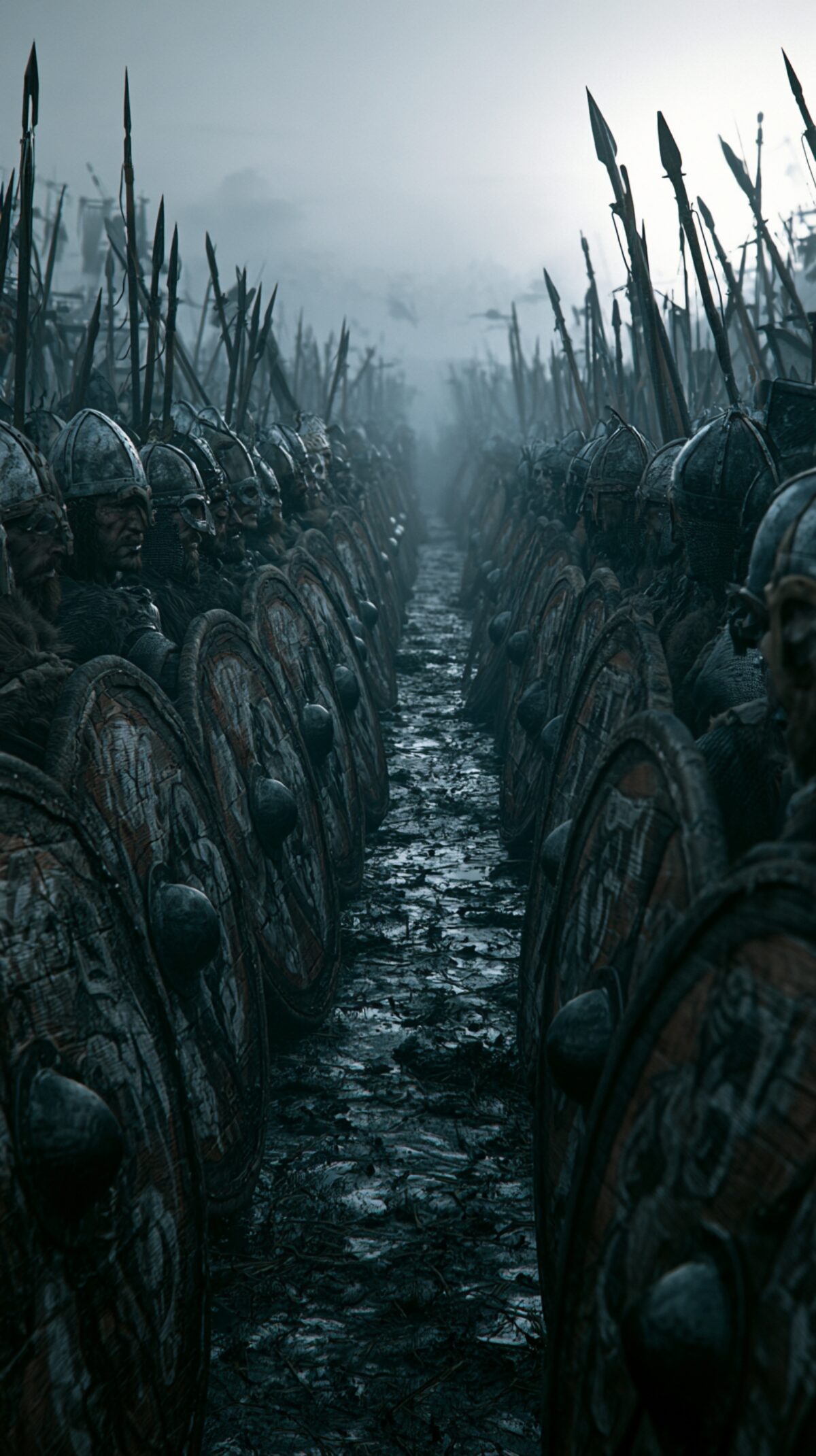
The Iceni were a Celtic people in eastern Britain, in today's Norfolk. As a client kingdom they at first lived in alliance with Rome.
"She was resolved, as a woman, to conquer or to die."Boudicca, after Tacitus, Annals 14 (public domain, own translation)
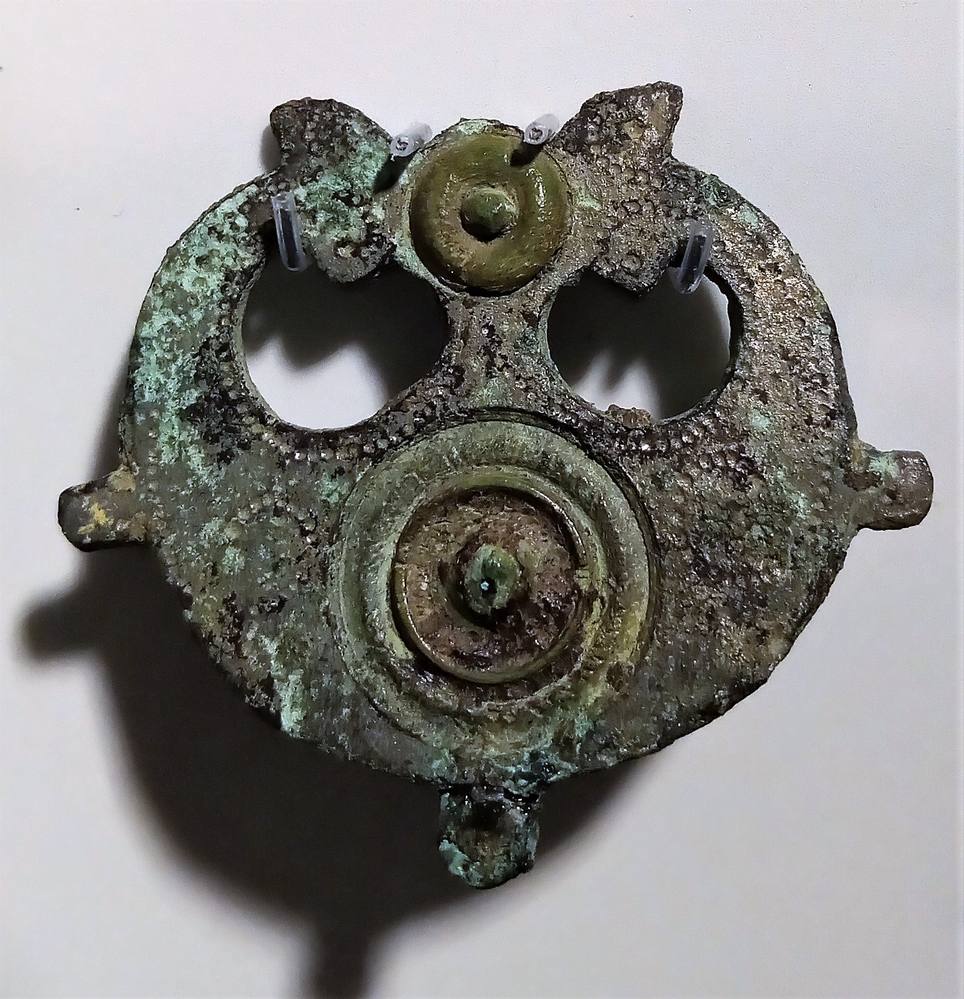
The Iceni were a Celtic people in eastern Britain, in today's Norfolk. After the Roman conquest of Britain in AD 43 their king Prasutagus came to terms with Rome and ruled as a client king – an ally who kept outward independence so long as he did not cross Rome. The Iceni struck their own coins and were regarded as wealthy.
When Prasutagus died, he left his kingdom half to the emperor, half to his daughters – hoping thus to keep the peace. But Rome ignored the will, seized the land, had his widow Boudica flogged and her daughters violated. Overnight the ally became a humiliated enemy.
Boudica united the Iceni with neighbouring tribes and unleashed one of the most dangerous revolts in Roman history. The rebels burned Camulodunum (Colchester), Londinium (London) and Verulamium (St Albans); tens of thousands died. Only in a decisive battle on Watling Street did the governor Suetonius Paulinus defeat the British host despite being outnumbered.
Boudica's end is unclear – Tacitus writes of poison, Cassius Dio of illness. Yet her name survived: centuries later the Iceni queen became a British national figure whose statue stands in London today. Between legend and source lies a brave woman who took up arms for the freedom of her people.
Boudica's rising struck Rome at its weakest point: the governor Suetonius Paulinus was far in the west with the army, conquering the Druid island of Anglesey. The province lay almost defenceless. That is why the rebels could burn three cities before Rome could even react. Only the iron discipline of the returning legions turned the tide – in a defile where the British numerical superiority could not tell.
Everything we know about Boudica comes from two Romans: Tacitus, whose father-in-law Agricola then served in Britain, and the much later Cassius Dio, who gives her a dramatic speech and a wild appearance. Both wrote from the victors' perspective. The real Boudica stays hidden behind the legend – but it is precisely this gap that makes her a screen for pride in freedom to this day.
Boudica shows how greatly history and memory can differ. Two Roman pens turned a queen of the Iceni into a figure who became an icon centuries later. She reminds us that behind every revolt stand real people and real injustice. At GLANZ & GRAVUR we tell such stories as the sources allow – powerful but honest, without placing the myth above the woman who truly lived.
The Iceni stand for the British fight for freedom. Continue with the Catuvellauni and Britons.

The Britons · The Catuvellauni · The Brigantes · The Atrebates · The Celtic Warriors.
All History & Finds articles →
Carved in stone over 1,000 years ago, a king proclaims the unification and baptism of Denmark – the same king whose …
Read more →