The Celtiberians were Celtic-Iberian peoples of the central Spanish plateau – a fusion of immigrant Celts with the native Iberian population.
Their iron was famous: the Celtiberian sword (forerunner of the Roman gladius hispaniensis) and the falcata were considered excellent. Rome adopted Celtiberian weapon technology into its own army.
Their resistance culminated in the siege of Numantia (133 BC). After a long blockade by Scipio, many inhabitants chose death over captivity. Numantia became a Spanish symbol of the will to freedom.
"Numantia, without walls or towers, long kept Rome in suspense."freely after Florus, Epitome (public domain, own translation)
The Celtiberians arose on the high plateau of central Spain, where Celtic immigrants and the native Iberians merged into a culture of their own. They lived in fortified hilltop settlements, were famous for their cavalry and were regarded as both hospitable and unyielding in war.
The weapon-smiths of the Celtiberians were legendary. Their short sword was so excellent that Rome adopted it: the gladius hispaniensis, the "Spanish sword", became the standard weapon of the legions. Ancient authors report that the Celtiberian blades were so well tempered that they cut through any helmet and shield.
The fame of the Celtiberians rests on their resistance to Rome. The town of Numantia defied the legions for years. In 133 BC Scipio Aemilianus enclosed it with a vast siege ring and starved it out. Rather than surrender, part of the defenders chose death over captivity – "Numantia" became in Spain a symbol of the will to freedom.
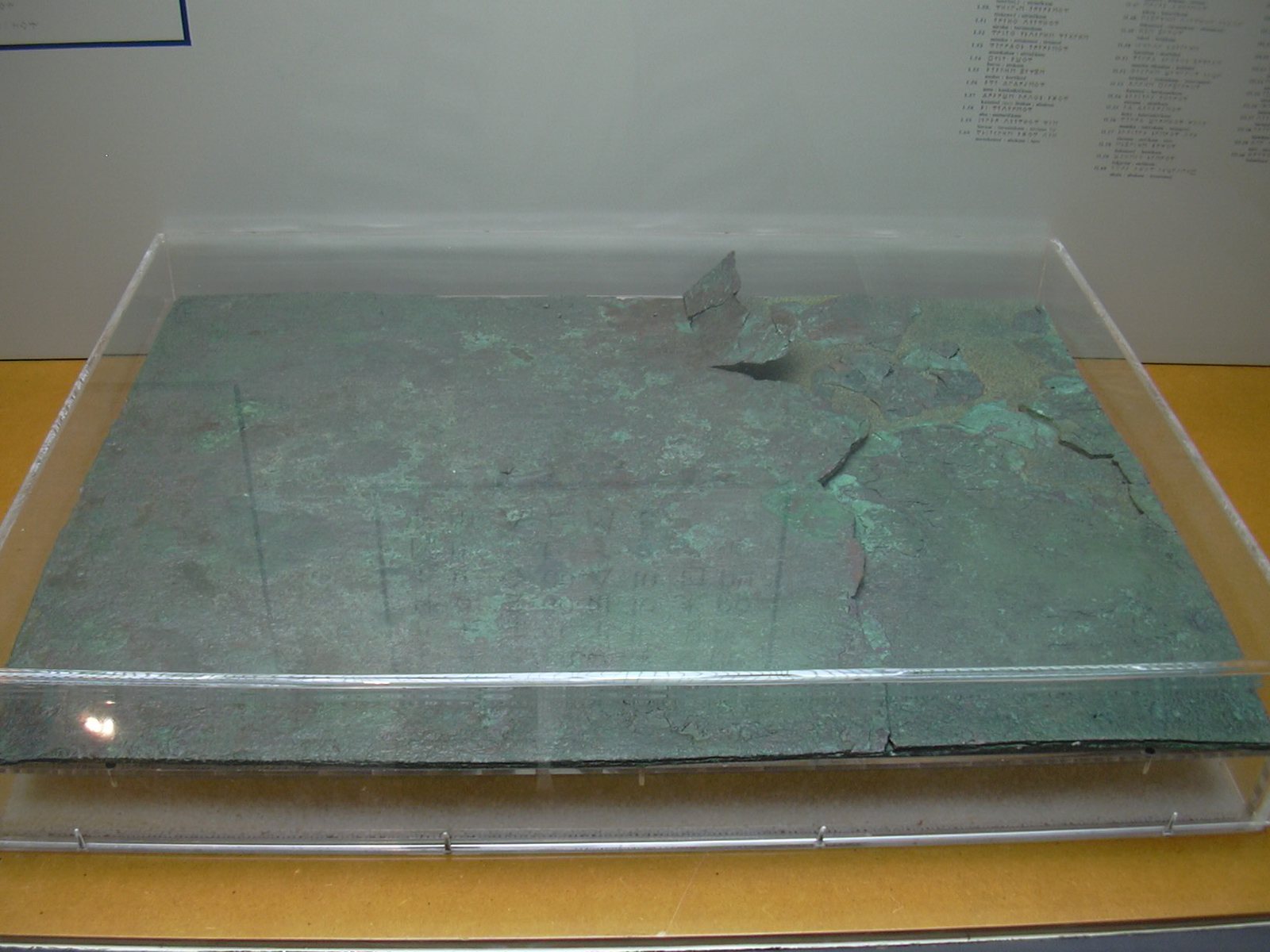
The Celtiberians left their own inscriptions in the Celtiberian language, written in an adapted Iberian script. The bronze tablets of Botorrita are among the longest Celtic texts of antiquity. Thus the Celtiberians are not only warriors of legend but a people whose voice we can still read today in stone and bronze.
The Celtiberians lived in castros – fortified hilltop settlements that were hard to take. This way of building, combined with their mobile cavalry and the art of the ambush, made them one of Rome's toughest opponents on the Iberian peninsula. Again and again the legions learned that a victory in the field was far from the submission of the land.
Famous was the Celtiberian devotio: the absolute loyalty of the warriors to their leader, for whom they swore to fight to the death. Celtiberian mercenaries served in armies throughout the Mediterranean, from Carthage to Rome. This blend of honour, loyalty and skill at arms shaped their reputation – and made their resistance to Rome so stubborn.
The Celtiberians combine two things dear to us at GLANZ & GRAVUR: first-class craft and the unbending will to freedom. Their sword armed the legions, their resistance at Numantia became a symbol. That we can still read their language in bronze today makes them tangible. So we tell their story: as that of a real people of iron masters – not as fantasy, but as a chapter of European history that endures.
The Celtiberians lead into the Celtic world of Spain. Continue with the Celtic warriors and Insubres.
The Celtic Warriors · Celtic Princely Graves · The Arverni · The Boii · The Insubres.