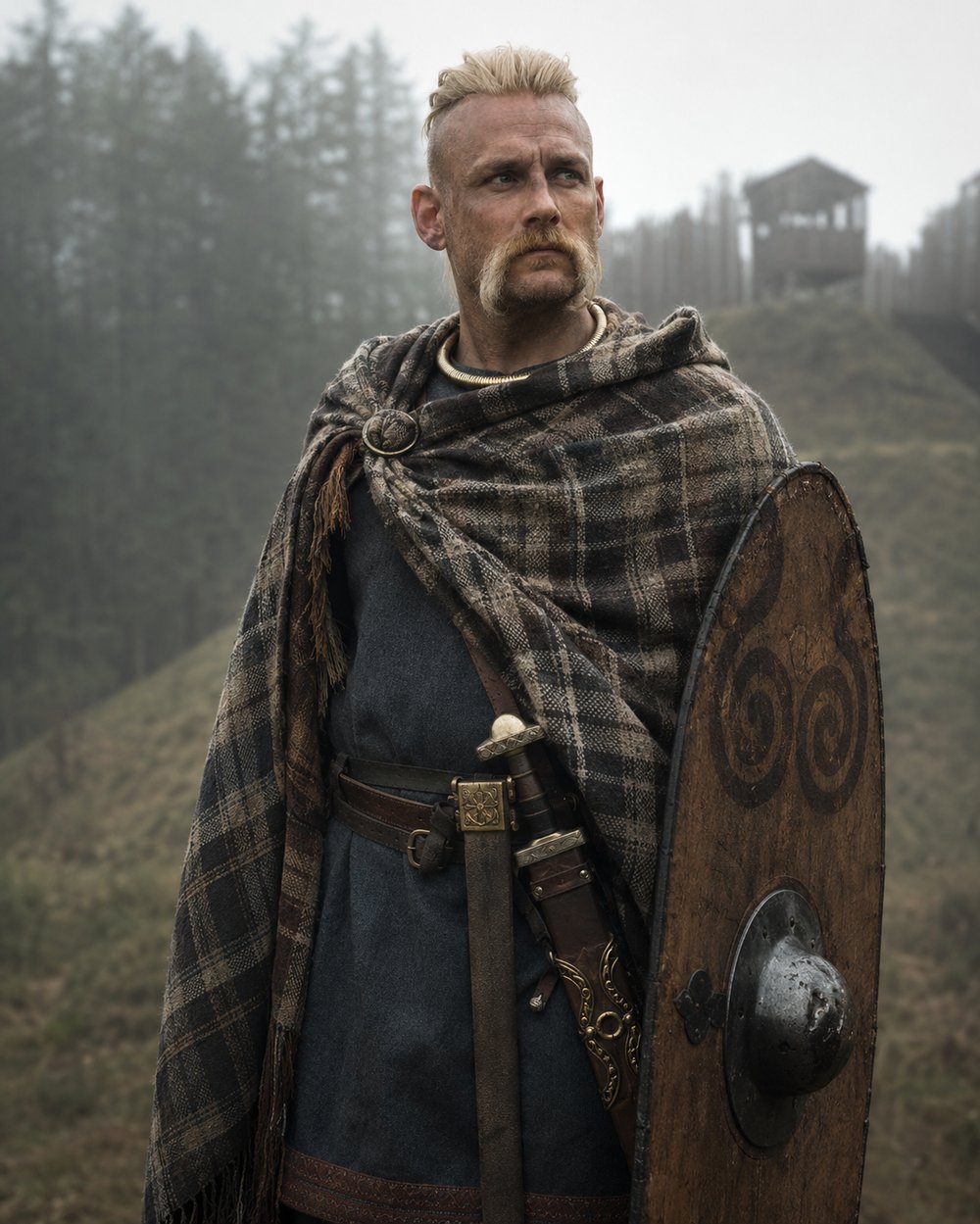
The Vindelici were Celtic (partly Celtic-Raetian) peoples on the northern edge of the Alps, between Lake Constance, the Danube and the Inn – in the area of today's Bavaria and Vorarlberg.
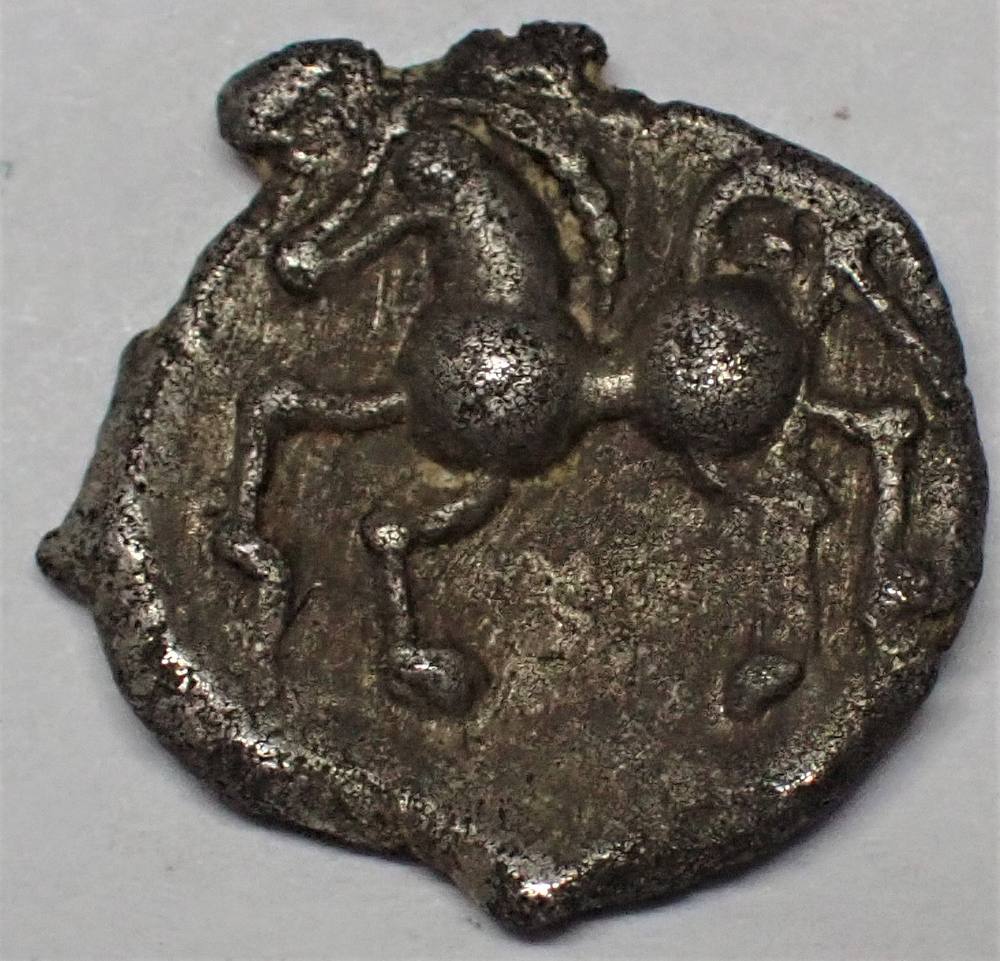
The conquered land became part of the province of Raetia. Its capital Augusta Vindelicorum – today's Augsburg – grew into an important Roman city (and was the scene of the victory over the Juthungi).
"You saw, Drusus, how the Vindelici … filled the Alps with war."freely after Horace, Odes IV (public domain, own translation)
The Vindelici were a confederation in the Alpine foreland, between Lake Constance, the Danube and the Bavarian Alps. They are usually counted among the Celts; their land covered wide parts of today's Swabia and Upper Bavaria.
Their fate was decided in 15 BC: in a large-scale Alpine campaign the stepsons of Emperor Augustus, Drusus and Tiberius, subdued the Alpine peoples. The Vindelici were defeated and their land incorporated into the empire.
The Roman poet Horace immortalised this campaign in his Odes. He praised the bravery of the young generals and the fall of the Vindelici – a rare case in which ancient poetry celebrates a concrete historical event.
The centre of the new Roman order became Augusta Vindelicorum, named after Emperor Augustus and the tribe of the Vindelici – today's Augsburg, one of the oldest cities in Germany.
The Vindelici link Celts, Rome and the origins of a German city. At GLANZ & GRAVUR we tell such stories from the sources, because they show how deeply the ancient past lies in our cities today.
The Vindelici lead to the Celtic edge of the Alps. Continue with the Taurisci and Boii.

The Taurisci · The Boii · The Insubres · The Celtic Warriors · Celtic Princely Graves.
All History & Finds articles →
A rare genetic trace in Iceland tells a story that sounds almost unbelievable: some Icelanders carry a maternal DNA …
Read more →About five centuries before Columbus, Norsemen set foot on American soil. For a long time this was thought a legend …
Read more →