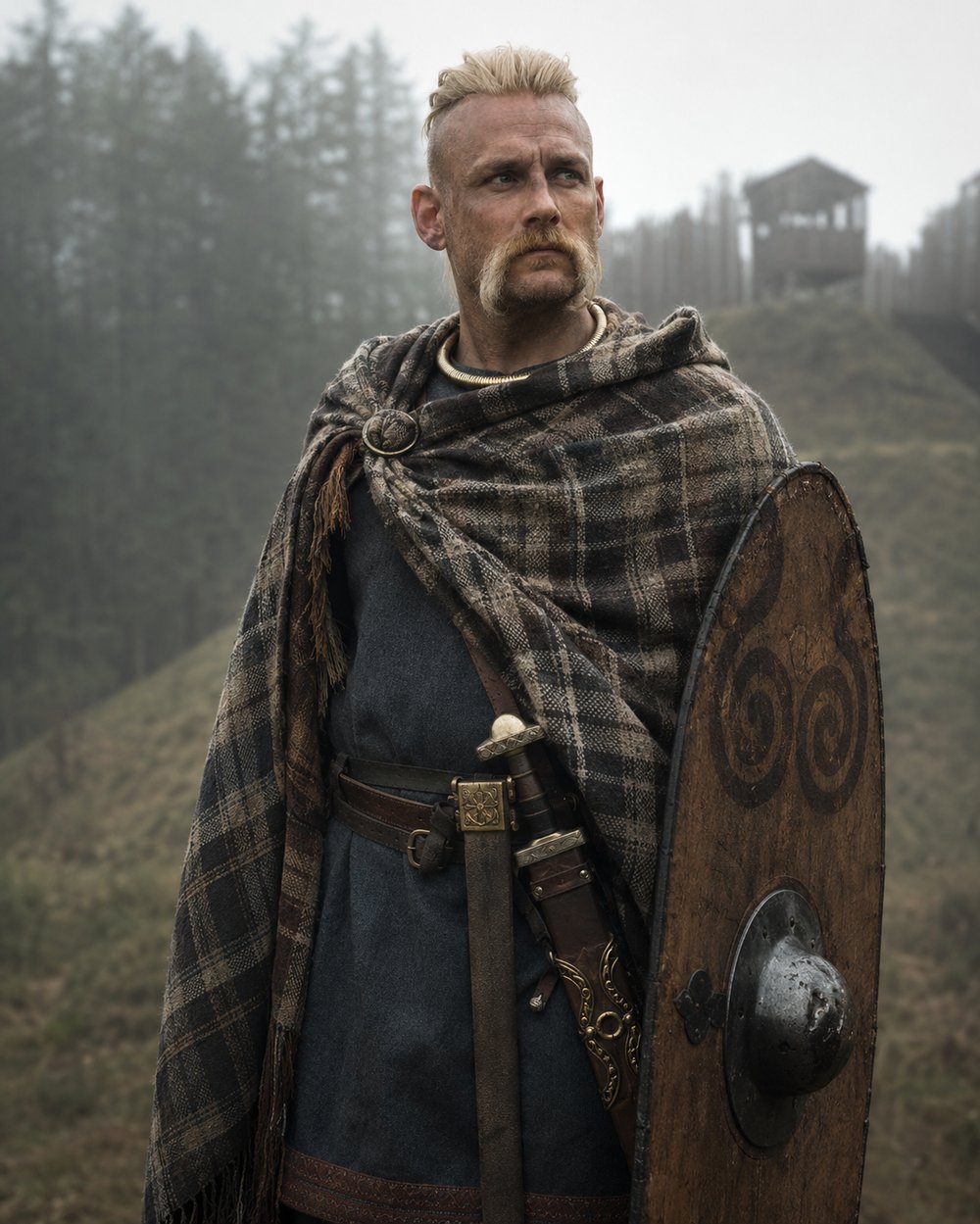
The Volcae were a great Celtic tribal confederation, divided into Volcae Tectosages (around Tolosa/Toulouse) and Volcae Arecomici (around Nemausus/Nîmes) in southern Gaul.
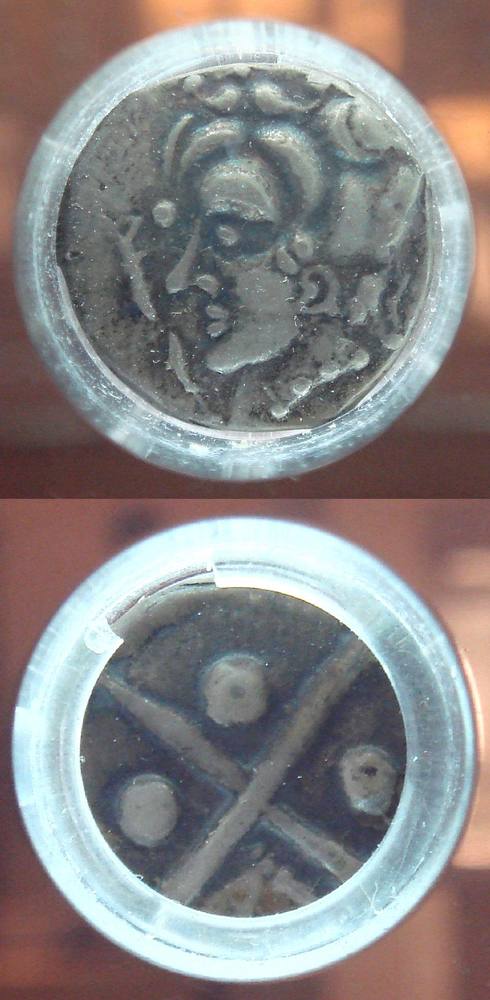
Parts of the Tectosages wandered far: they moved all the way to Asia Minor and belonged to the Galatians, those Celts to whom the biblical Letter to the Galatians is addressed. And their name lives on in another way: from Volcae came the Germanic word for "the foreigners/Romance-speakers" – to this day in "Welsh", "Walloon" and "Wales".
"The Volcae Tectosages once occupied the most fertile parts of Germania around the Hercynian forest."after Caesar, The Gallic War VI (public domain, own translation)
The Volcae were a great Celtic confederation in southern Gaul, divided into the Volcae Arecomici (around Nîmes) and the Volcae Tectosages (around Toulouse). They were among the most powerful and far-reaching peoples of the Celtic world.
Notorious was the treasure of their city Tolosa (Toulouse). In 106 BC the Roman general Caepio robbed this "gold of Tolosa" – and lost it in a mysterious way. "Aurum Tolosanum" became a proverb for wealth that brings misfortune.
Parts of the Tectosages moved with the great Celtic migrations as far as Asia Minor and belonged there to the Galatians. Thus this confederation linked the far west with the far east of the Celtic world.
The name of the Volcae had an astonishing after-effect: through the Germanic word *walhaz ("the foreign/Celtic one") it became the root of many names – from "Welsh" through "Wales" and "Wallonia" to the "walnut" (the "welsh nut").
The Volcae show how far Celtic names and people travelled. Continue with the Boii and Celtic warriors.

The Celtic Warriors · Celtic Princely Graves · The Arverni · The Aedui · The Boii.
All History & Finds articles →
Vikings and Aachen? Sounds like two worlds with nothing to do with one another. Yet in the winter of 881/882 the …
Read more →The Vikings came, raided – and stayed. Over the winter, at least. Instead of sailing home after every raid, they …
Read more →