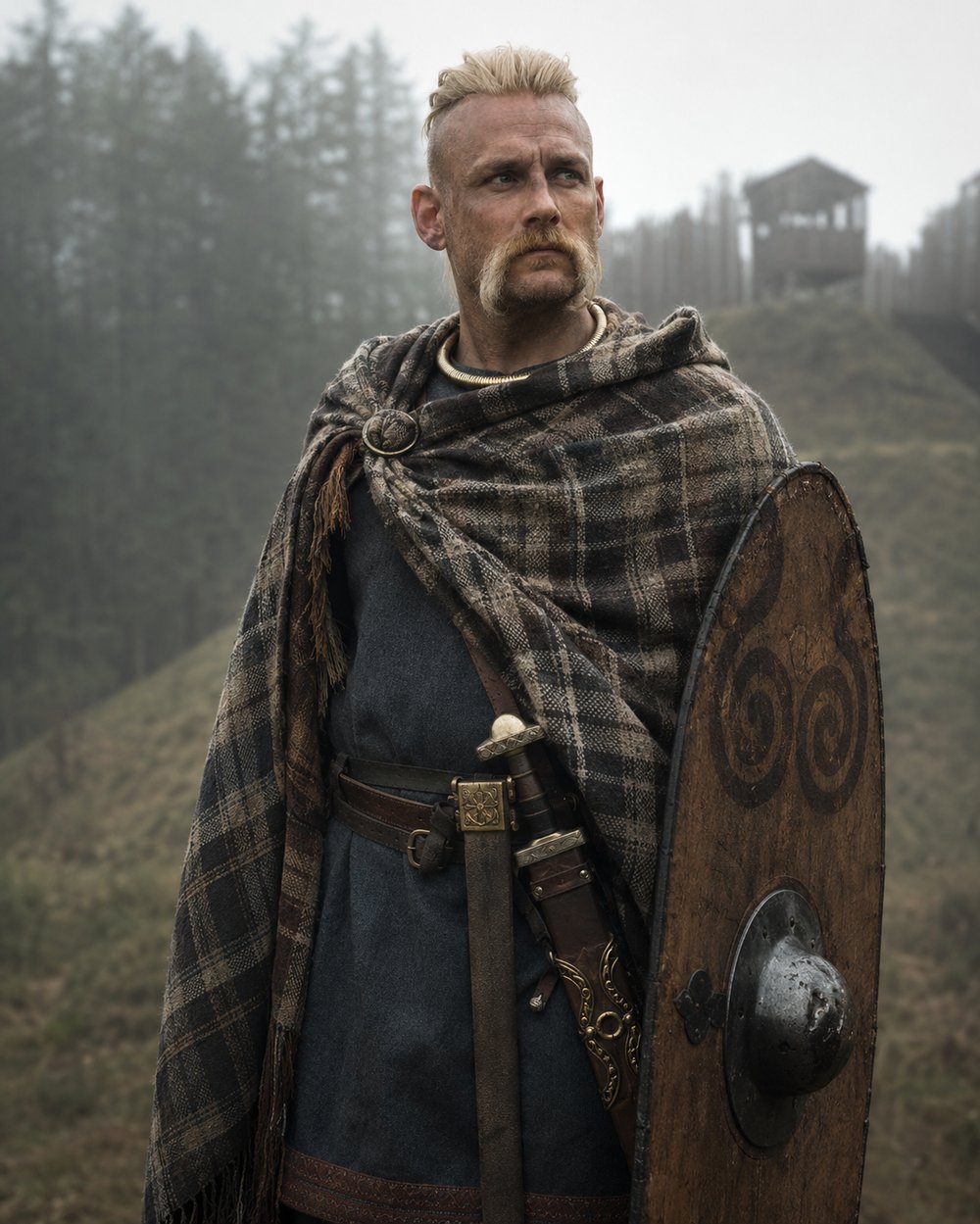
The Galatians were Celtic warriors who in the 3rd century BC moved across the Balkans as far as Asia Minor (today's Turkey). There they settled in the region named after them, Galatia.

As feared mercenaries the Galatians took part in the wars of the Hellenistic kings. Their defeat by Pergamon was immortalised in famous statues such as the "Dying Gaul".
The Galatians long preserved their Celtic language and tribal order. In the 1st century AD the apostle Paul addressed his Letter to the Galatians to the by-then partly Christian descendants – a unique testimony of Celtic presence in the east.
"O foolish Galatians!"Paul, Galatians 3:1 (King James Version, public domain)
The Galatians were Celtic tribes that in the 3rd century BC migrated as far as Asia Minor – into today's central Anatolia around Ankara. They are the easternmost outpost of the Celtic world, thousands of kilometres from Gaul.
After the famous Celtic attack on Greece and Delphi in 279 BC parts of the warriors crossed the Bosporus into Asia Minor. There they settled and founded Galatia – named after them, the "Galatians".
The Hellenistic kings feared and coveted the Galatians at once: as plunderers and as mercenaries. The famous "Dying Gaul" – an ancient statue – goes back to a victory over the Galatians and shapes our image of the Celtic warrior to this day.
The Galatians became world-famous through the New Testament: the apostle Paul addressed his Epistle to the Galatians to the Christian communities of this Celtic-descended population. As late as the 4th century a Celtic language is said to have been spoken there.
The Galatians show how far Celtic people travelled. Continue with the Volcae and Boii.

The Volcae · The Boii · The Celtic Warriors · Celtic Religion · The Arverni.
All History & Finds articles →
Two horns of heavy gold, covered all over with puzzling figures, and on one of them a line of runes in which, for the …
Read more →The Roman Tacitus praised Germanic women as chaste, honoured and even brave at the edge of battle. But above all he was …
Read more →Somewhere a story must begin. For the kingdom of Denmark this beginning is a man named Gorm – Gorm the Old, the first …
Read more →