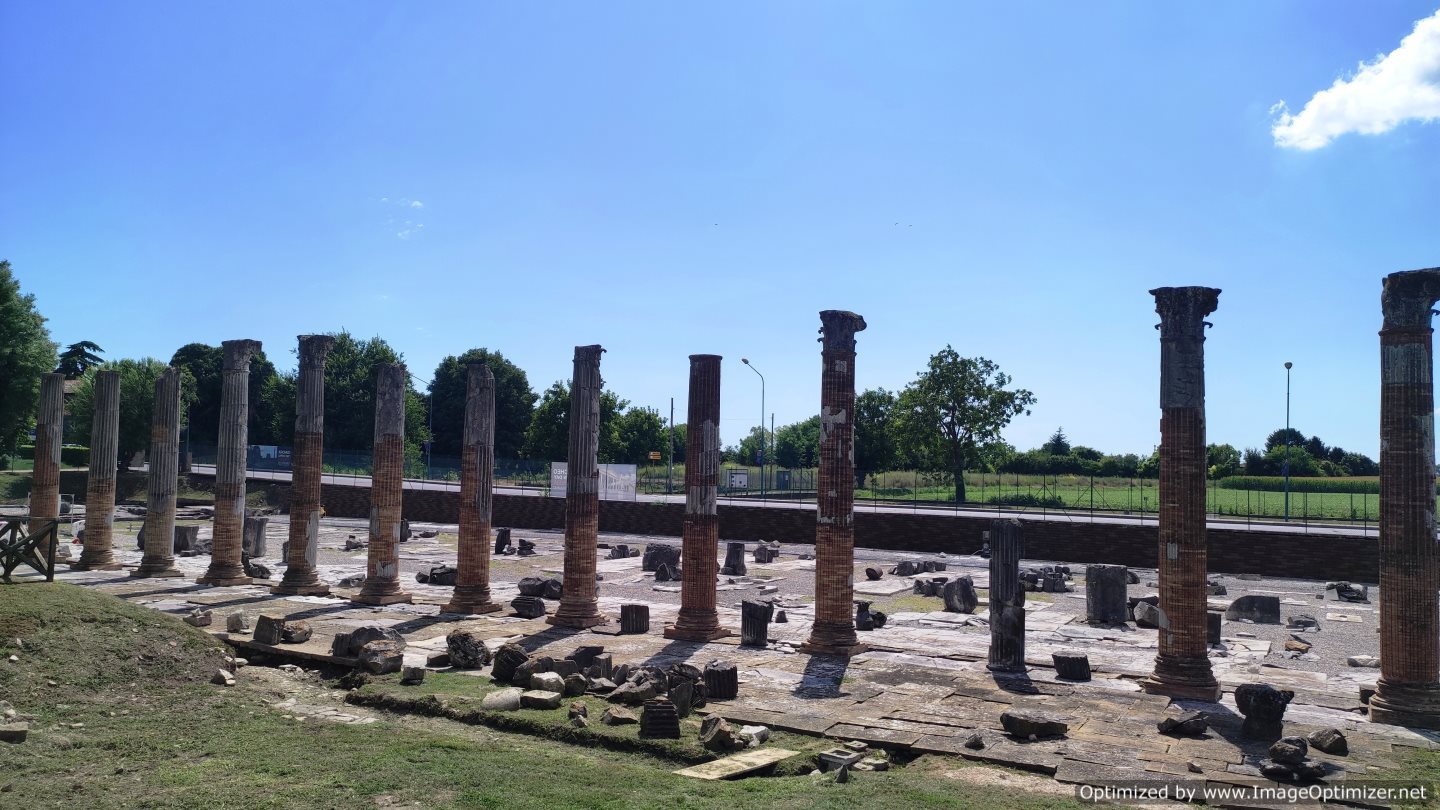
Belenus (also Belenos) was a Celtic god whose name is usually interpreted as "the shining one" or "the radiant one". He was a god of healing and light and one of the most widespread Celtic gods of all: votive stones to him were found from Gaul via Noricum to northern Italy (Aquileia).
Belenus was often worshipped at healing springs. The Romans equated him with Apollo – the god of light and healing. So he belongs to the same imaginative world as other sun and light deities: warmth, health and the returning light after winter.
One of the four great Celtic festivals sounds like his name: Beltane (early May), the fire festival at the start of summer. Cattle were driven between two fires to protect and bless them. Whether the festival name really means "fire of Belenus" is linguistically disputed – but the link of light, fire and spring fits this god perfectly.
"Wits must he have who wanders wide, but all is easy at home."Hávamál 5, after Henry A. Bellows 1923 (public domain)
Belenus was one of the most widely worshipped gods of the Celtic world. His name is usually interpreted as "the shining one" or "the bright one". He was regarded as a god of light, the sun and healing – a radiant figure in the Celtic pantheon.
The Romans equated Belenus with their god Apollo (Apollo Belenus) – a sign that they saw in him a god of light and healing. Numerous votive inscriptions from northern Italy to Gaul attest his cult.
Belenus is often connected with the Celtic fire festival Beltane (1 May), on which great fires were lit. Whether the festival is really named after him, however, is linguistically disputed.
In many places Belenus was connected with healing springs, at which the sick sought recovery. This connection of light, warmth and healing made him a popular and down-to-earth god.
Belenus is the Celtic face of light – a healing god whose warmth was sought at springs and in the May fire. More in the overview Celtic Religion.

Celtic Religion · Brigid · Lugh · Taranis · Esus.
All Festivals & Belief articles →
Scarcely an image is so bound up with the Vikings as the burning ship drifting out to sea with the dead. The ship was …
Read more →