 Some Germanic tribes are known to us only because a Roman writer once listed them among their neighbours. The Dulgubnii are such a case: an inland people between Weser and Elbe, mentioned briefly by Tacitus – and about whom, honestly, we can say very little for certain. That is precisely their appeal: they show how much, and how little, we know about Germanic northern Germany in the first century.
There are Germanic tribes whose name fills whole books – Cherusci, Chatti, Langobardi. And there are those who appear in a single sentence and then fall silent forever. The Dulgubnii belong to the second group. Anyone who looks for them finds almost only one passage in Tacitus and a few uncertain echoes. Yet the search is worthwhile: because this small, barely graspable tribe forces us to separate cleanly between evidence and guesswork – and because they sat in the middle of a landscape central to the Germanic history of the north.
The Roman historian Publius Cornelius Tacitus wrote his short ethnography of the Germani around 98 AD. In chapter 34 his gaze travels along the Germanic north-west, tribe by tribe. There the Dulgubnii appear – together with the Chasuarii – as neighbours of the Angrivarii and the Chamavi, in a region lying roughly between the Weser and the lower Elbe. Tacitus names them in passing, without legend, without cult, without deed of war. It is as if a traveller noted a signpost and then moved on.
This silence is itself information. To Rome the Dulgubnii were evidently no power to reckon with: not a people that raised great armies, not a frontier force on the Rhine to be feared or courted. They were one of many inland tribes living in the shadow of larger neighbours – the seafaring Chauci on the coast, the mighty Langobardi on the middle Elbe, the Angrivarii who once raised the famous rampart against the Cherusci.
The name "Dulgubnii" (Latin Dulgubnii, in some manuscripts Dulgubini or similarly corrupted) has never been securely explained. Philologists have offered various suggestions: some link the first element to a Germanic word for "debt" or "obligation" (comparable to Gothic dulgs "debt"), others think of a landscape or water-name. None of these readings is more than a well-founded guess.
To be honest: we do not even know exactly what the Dulgubnii called themselves. "Dulgubnii" is the Latinised form that passed through Roman ears and Roman copyists. For a tribe mentioned only once, even the exact spelling is uncertain – the medieval manuscripts of the Germania diverge, and scribes often garbled rare names.
Behind them, in the interior, dwell the Angrivarii and Chamavi, enclosed by the Dulgubnii and Chasuarii and other peoples.Tacitus, Germania 34 (paraphrased from the Latin)
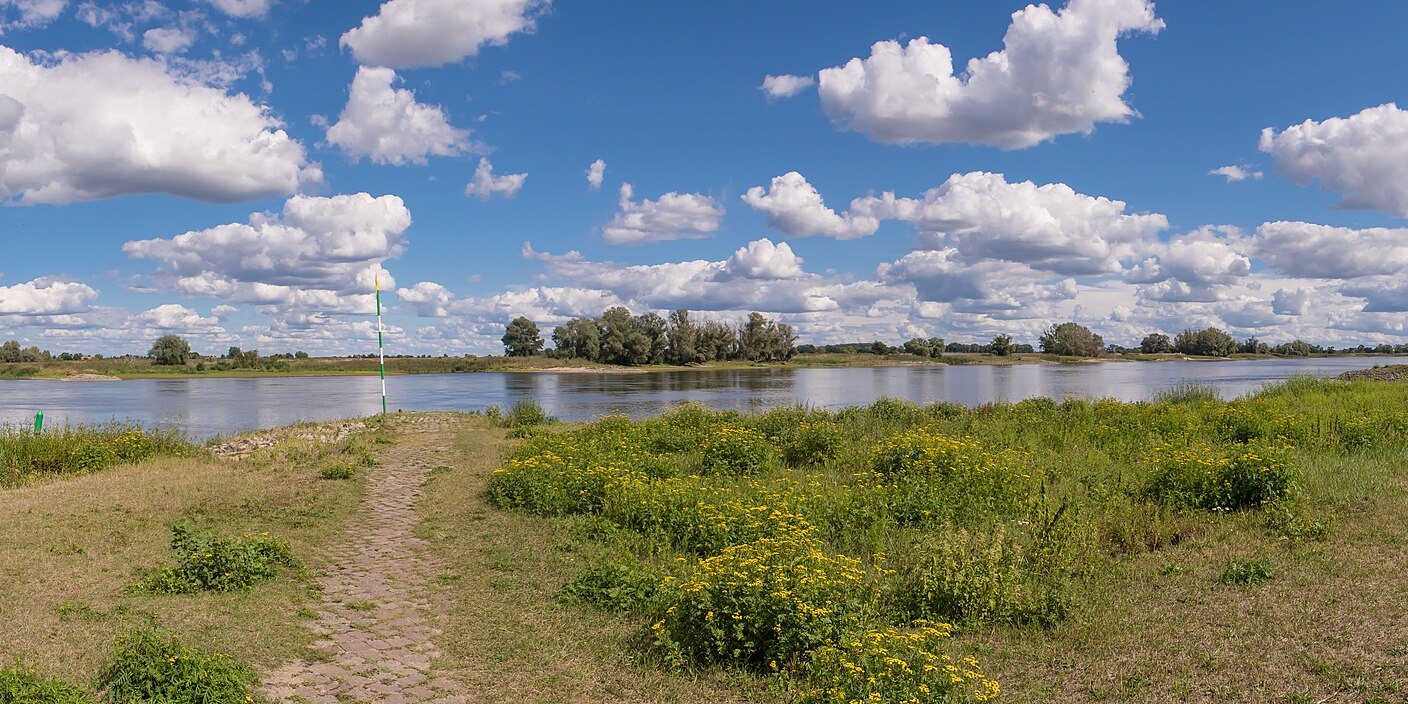
Where exactly did the Dulgubnii live? Scholarship usually places them in the area of today's Lüneburg Heath and northern Lower Saxony, between the lower Weser and the lower Elbe – a landscape of heath, bog, river meadows and open woodland. It is soil that was never rich: sandy, meagre, good for sheep and frugality, poor for great arable wealth. Precisely such landscapes produced small, hardy farming and herding communities, not glittering princely realms.
With this the Dulgubnii fit a pattern the Germania draws again and again: a patchwork of many small peoples, each with its own name and territory, often separated from the next only by a river, a bog or a strip of forest. This small-scale structure was typical of free Germania beyond the Roman frontier. Only centuries later would many of these small tribes merge into larger confederations – in northern Germany above all into the Saxons.
This is probably the real fate of the Dulgubnii: they appear in Tacitus and then vanish from the sources – not necessarily because they died out, but because they merged into a larger name. In late antiquity and the early Middle Ages the region between Weser and Elbe becomes the heartland of the Saxons. Many of the small tribes Tacitus still names individually then appear no longer as separate peoples, but as sub-groups or districts (Gaue) within the great Saxon confederation.
Whether the Dulgubnii lived on directly in a Saxon sub-tribe, whether they merged into the Angrivarii (the later "Engern"), or whether their name was simply lost – this cannot be proven. The continuity from Tacitus's small tribes to the medieval Saxon districts is a great research topic, but in the individual case much remains open. For the Dulgubnii the evidence is too thin for a secure line.
The lower Elbe and the Lüneburg Heath are anything but empty archaeologically. From the Roman imperial period we know urn cemeteries, settlement traces, brooches and pottery here, all belonging to the wide-reaching culture of the Germanic north-west. Yet – and this is important – an archaeological find bears no tribal name. A clay vessel from a cemetery near Lüneburg tells us how the people there buried and farmed; it does not tell us whether they called themselves "Dulgubnii".
This gap between the written names of the ancient authors and the mute finds of excavation is one of the great methodological challenges of Germanic studies. One cannot simply equate an "archaeological culture" with a "people" of the written sources – scholarship learned this painfully in the 20th century, because such equations were politically abused. For the Dulgubnii this means: we know the landscape they are likely to have lived in, and their material culture in the broader sense – but we cannot call any find securely "Dulgubnian".
Why Tacitus noted the Dulgubnii at all, though they meant nothing to Rome, has to do with the character of the Germania. Tacitus wanted to draw as complete a picture as possible – including peoples he knew only by hearsay, through merchants, soldiers and older Greco-Roman reports. The Germanic north-west was for Rome a distant, half-legendary world. The campaigns of Germanicus (14–16 AD) had led the legions as far as Weser and Elbe, but after the catastrophe of the Varus Battle Rome gave up lasting conquest east of the Rhine.
So tribes like the Dulgubnii lived in a zone Rome knew and named but never ruled: close enough for their name to enter a book, far enough to remain free and untroubled. Their meagre interior attracted no legion. This marginal position – known but unconquered – explains at once why we know of them at all and why we know so little.
One might ask: why present a people about whom we know almost nothing? The answer lies precisely in this honesty. The history of the Germani consists not only of the great names on monuments and in schoolbooks. It also consists of dozens of small tribes like the Dulgubnii, who lived quietly on their heath soil, buried their dead in urns, drove their herds across the bogs – and whose name survived time only through a single stroke of a Roman author's pen.
Anyone who wants to understand the Germanic north must also take these quiet names seriously. The Dulgubnii stand for the many who left no legend – and for the integrity with which history ought to be told: say what the source gives, and name honestly where conjecture begins. Precisely this claim – to keep evidence and interpretation apart – is also the thread we follow at GLANZ & GRAVUR with our Norse and Germanic motifs. The Dulgubnii thus remain a quiet name from the Germanic north-west: a people Tacitus noted, rooted in the landscape of the lower Elbe, teaching us to distinguish honestly between knowledge and conjecture.

The Chauci · The Lombards · The Angrivarii · The Saxons.
