
The Lingones were a Celtic people in eastern Gaul, on the plateau around today's Langres, near the watershed between the Seine, Meuse and Rhône/Saône.
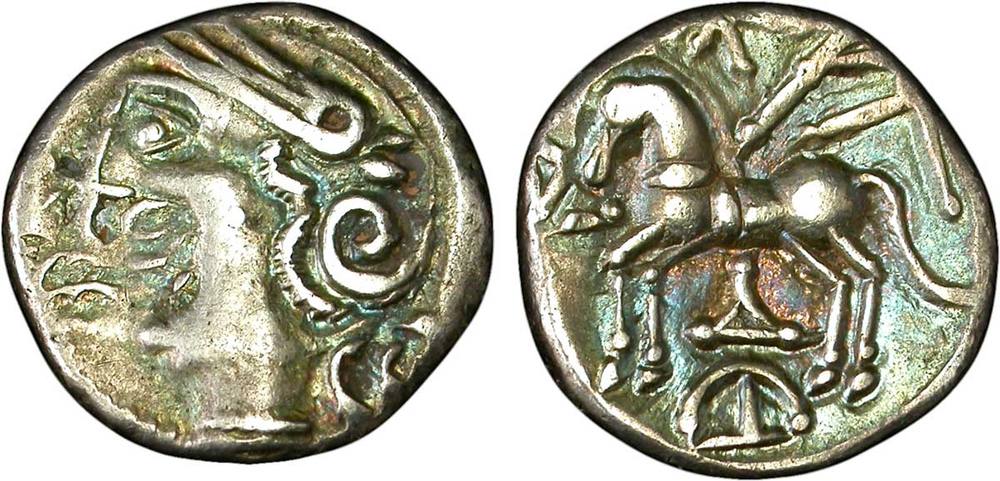
"The Lingones had supplied the army with plenty of grain."after Caesar, The Gallic War VII (public domain, own translation)
The Lingones were a Celtic people in the east of Gaul, on the high plateau around today's Langres, where the Seine and Marne rise. Their favourable position between the Rhône, the Rhine and the interior of Gaul made them an important link – and a valued ally of Rome.
Unlike many neighbours the Lingones stayed loyal to Rome early on. Their famous cavalry served in the Roman army, and their land became a march route for the legions. This bond secured them long peace and prosperity.
In AD 69/70 this loyalty wavered: the Lingonian noble Iulius Sabinus, who even claimed descent from Caesar, joined the Batavian revolt and proclaimed a "Gallic Empire". The revolt failed, and Sabinus had to hide for years – a dramatic episode of Gallo-Roman history.
After the return to Roman order the chief town of the Lingones, Andematunnum, flourished as an ordered provincial city – today's Langres, which still preserves Roman gates and walls.
Interesting: there were also Lingones in northern Italy, in the Po plain near Ravenna. They belonged to those Celtic groups that had crossed the Alps centuries earlier – evidence of the wide migration movement of the Celts.
The Lingones show how closely alliance and revolt, loyalty and the urge for freedom lay together. At GLANZ & GRAVUR we tell such stories from the sources – with nuance rather than black and white.
The Lingones belong to the allied peoples of eastern Gaul. Continue with the Aedui and Bituriges.

The Aedui · The Senones · The Treveri · The Bituriges · The Celtic Warriors.
