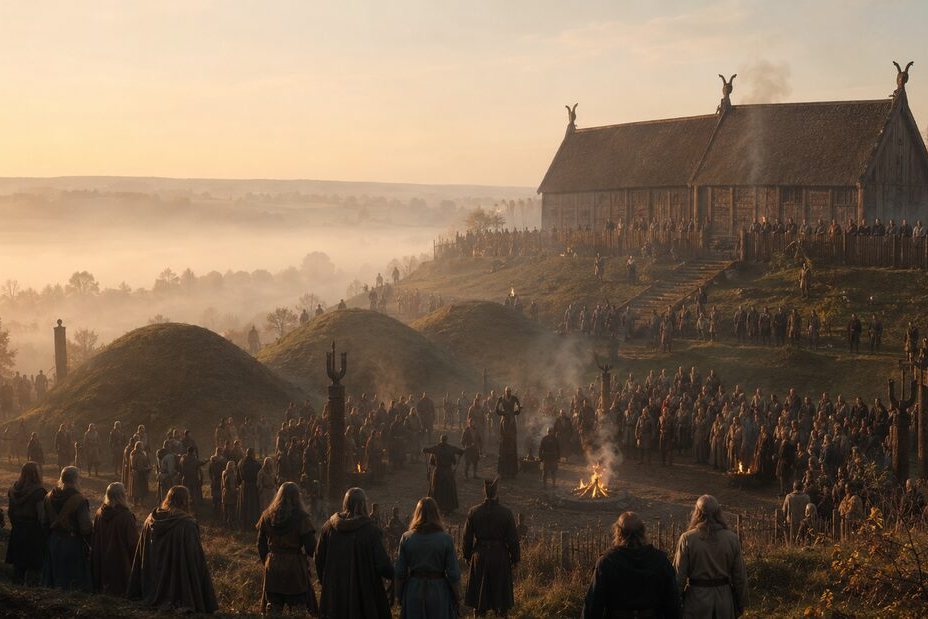
The Lugii were not a single tribe but a league of several peoples in the east of Germania, between the Oder and the Vistula. Tacitus counts among them the Nahanarvali, Harii and Helveconae, among others.
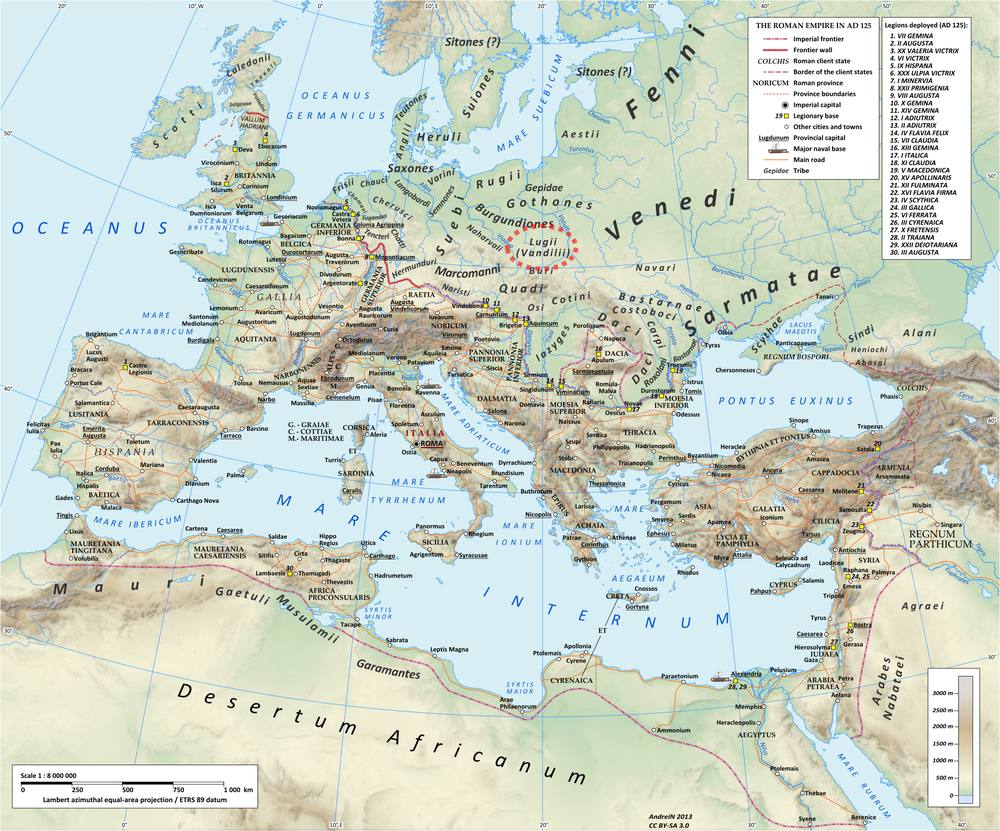
As a large, powerful league the Lugii controlled important trade routes – such as the amber road from the Baltic to the Danube. At times they were in contact with Rome and even asked for help against the Suebi.
In the struggle of the East Germanic peoples the Lugii were caught between mighty neighbours. Later their name disappears; the region is linked with the early Vandals and the Przeworsk culture.
"The Lugii, spread over many tribes."after Tacitus, Germania 43 (public domain, own translation)
The Lugii were not a single tribe but a powerful confederation of East Germanic peoples between the Oder and the Vistula. In his "Germania" Tacitus names several of its member tribes: the Harii, Helvecones, Manimi, Helisii and the Naharvali. Such leagues show that the Germanic world was no collection of isolated hordes but knew larger political and religious unions.
Most strikingly Tacitus describes the Harii: they blackened their shields, dyed their bodies and preferred to attack on dark nights, spreading terror like an "army of the dead" (feralis exercitus). Whether this was a real war custom or a Roman embellishment remains open – yet the image of the nocturnal ghost army has left a deep mark.
The religious heart of the confederation lay with the Naharvali, in whose sacred grove the divine twins, the Alcis, were worshipped. A common sanctuary created cohesion across the boundaries of the individual tribes – religion as the clasp of a league of peoples.
The territory of the Lugii lay on one of the most important trade arteries of antiquity: the Amber Road, which brought the "gold of the Baltic" as far as Rome. This trade made the region wealthy and closely linked the seemingly distant Germani with the Mediterranean world.
The relationship of the Lugii to the Vandals is disputed to this day. Some researchers see in both names the same people or neighbouring groups in the same area. What is certain: in the Migration Period the Lugii receded, while Vandal groups from the same region made history.
It remains honest to say: almost everything about the Lugii comes from a few lines of Tacitus and the geography of Ptolemy. Archaeologically they are often linked with the Przeworsk culture, but equating a people with a find-culture is delicate. The Lugii remain a fascinating but shadowy confederation on the edge of Roman knowledge.
The Lugii show a Germania that thought bigger than the single tribe: a league with a common sanctuary, powerful neighbours and a place in the great amber trade. Their nocturnal "army of the dead", the Harii, and the enigmatic Alcis make them one of the most mysterious chapters of the early Germanic world. At GLANZ & GRAVUR we tell them as Tacitus hands them down – powerful, but honestly separated into evidence and interpretation.
The Lugii lead into the Germanic east. Continue with the Nahanarvali and Gutones.

The Nahanarvali · The Goths · The Gutones · The Bastarnae · The Suebi.
