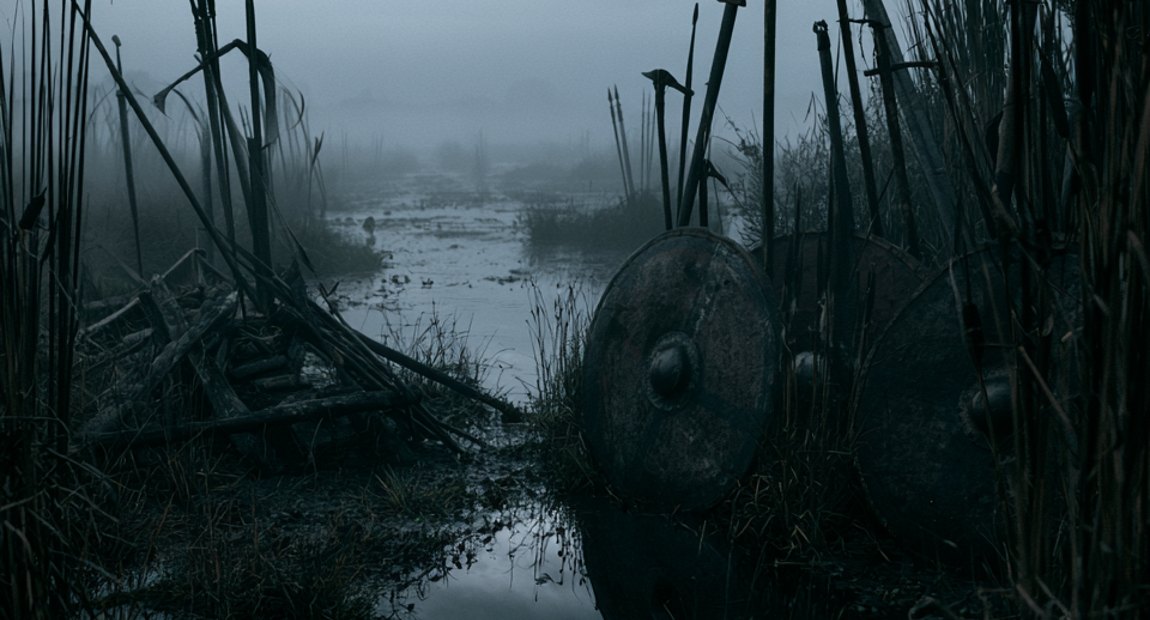
The Santones were a Celtic people on the Gaulish Atlantic coast, around today's Saintes (Mediolanum Santonum).
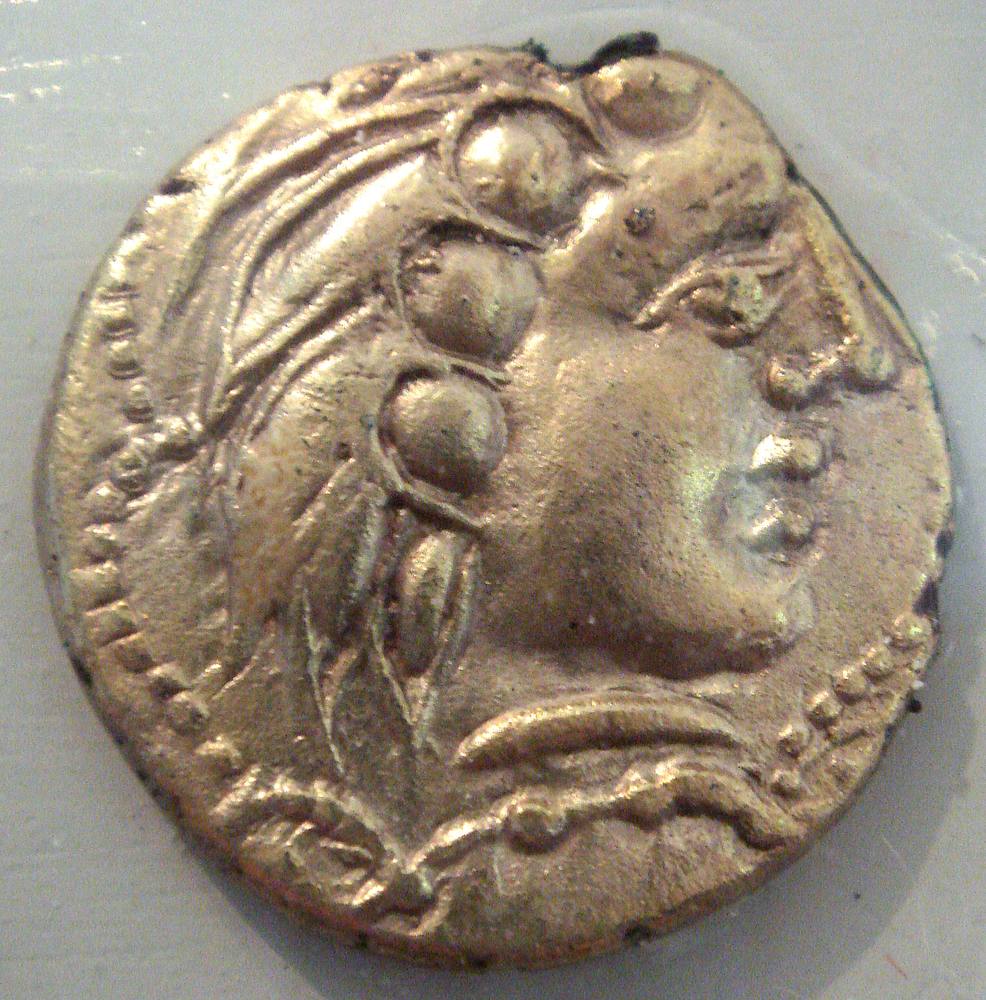
Under Rome the land of the Santones grew wealthy: Saintes received a triumphal arch and a large amphitheatre. The region supplied wine and was a hub of Atlantic trade.
"They resolved to move into the territory of the Santones, which is not far from the land of the Tolosates."after Caesar, The Gallic War I (public domain, own translation)
The Santones were a Celtic people in the west of Gaul, on the Atlantic coast of today's Saintonge (Charente-Maritime). Their fertile, mild land was coveted – and played a role right at the start of Caesar's Gallic War.
In 58 BC the Helvetii wanted to leave their homeland and move into the land of the Santones. Caesar used this migration as a pretext to intervene – the beginning of the conquest of all Gaul. Thus the Santones stood, unwillingly, at the start of a world-historical war.
Under Rome the land of the Santones flourished. It became famous for its wine and its pottery; Santonian ceramics were widely traded. The region was one of the wealthiest of Roman Gaul.
Their chief town Mediolanum Santonum became a splendid Roman city with amphitheatre and triumphal arch – today's Saintes. The name of the city and of the Saintonge region goes directly back to the tribe.
The Santones show how closely seemingly small peoples were woven into the great turning points of history. At GLANZ & GRAVUR we tell this from the sources – from the trigger of a war to the flourishing wine region.
The Santones lead to the Celtic Atlantic coast. Continue with the Helvetii and Veneti.

The Helvetii · The Aedui · The Arverni · The Veneti · Celtic Religion.
All History & Finds articles →
The Viking battle was no wild scramble but a hard struggle shield to shield. A look at tactics and weapons beyond the …
Read more →Long before the Viking Age and before the Icelandic Edda there was Germanic cult – and one of the most striking stood …
Read more →Silver was the lifeblood of Viking trade – weighed, chopped up, buried. Three of the greatest hoards show how far the …
Read more →