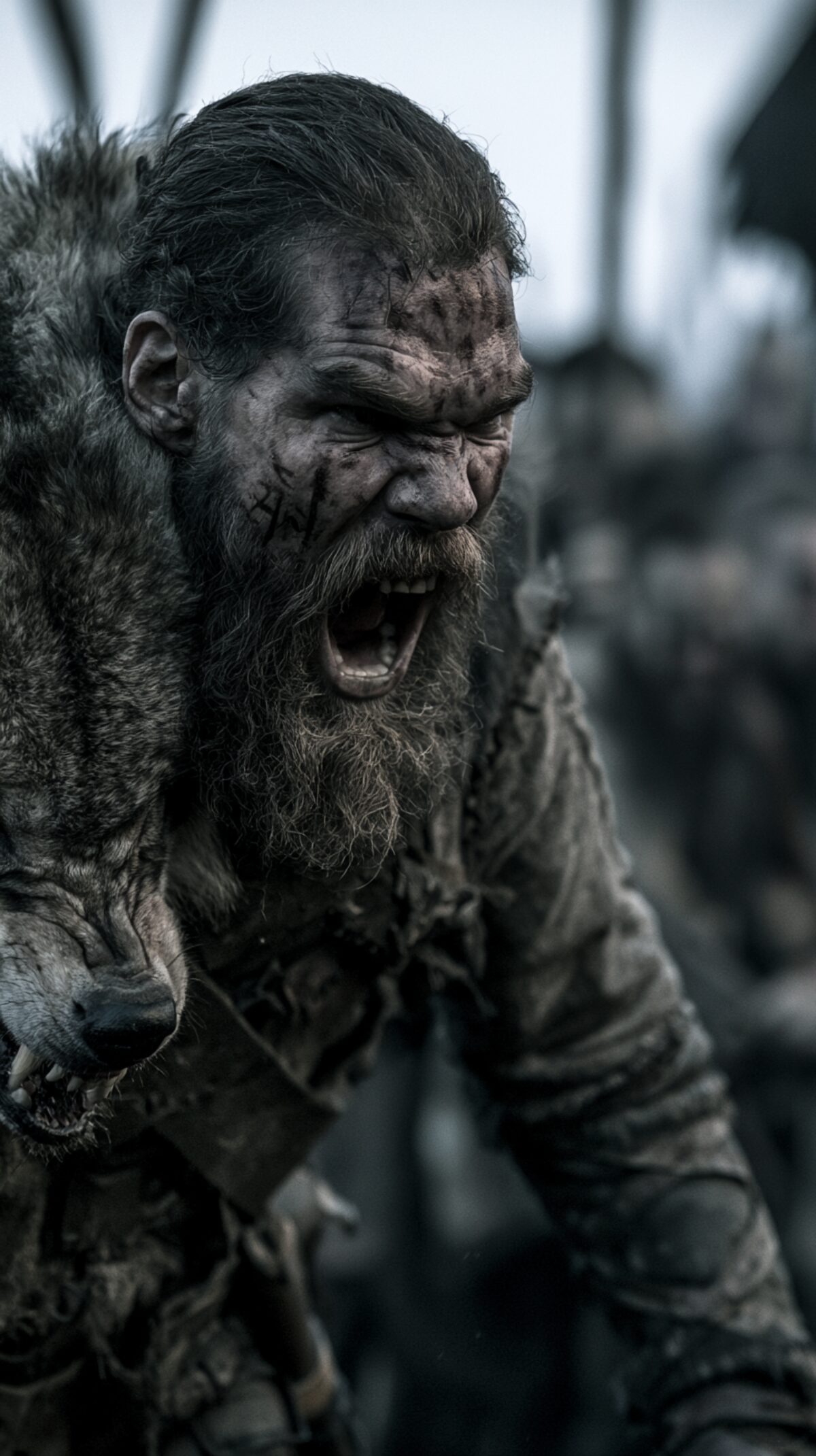
The Morrígan (Irish, often interpreted as "phantom queen" or "great queen") is one of the most striking figures of Irish mythology: goddess of war, death and fate. She often appears as a raven or crow over the battlefield and can bring victory or ruin.
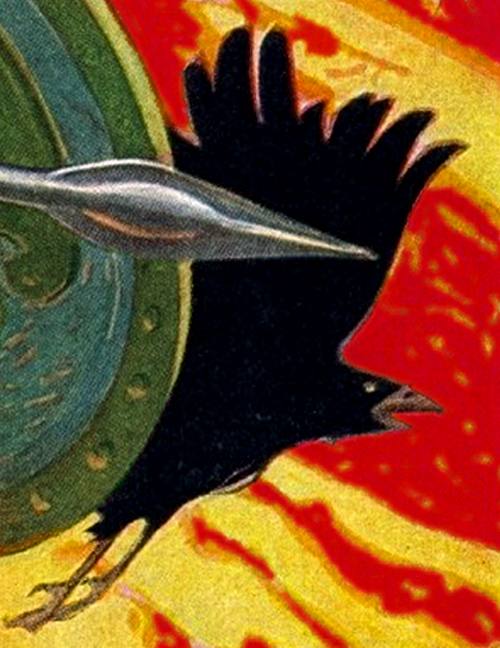
The Morrígan is a shape-shifter: sometimes a single goddess, sometimes a threefold one (with Badb and Macha). In the great Irish tale of the Cattle Raid of Cooley she confronts the hero Cú Chulainn – sometimes helping, sometimes threatening. She fights not with the sword but with prophecy, magic and terror; she "weaves", as it were, the fate of the battle.
The parallel to the Norse world is obvious: like the Valkyries and like Odin's ravens Huginn and Muninn, the Morrígan belongs to the battlefield and to the decision over life and death. War goddesses in raven form who watch over the outcome of the fight are a motif shared by the Celtic and Germanic-Norse worlds – each in its own language.
"Wits must he have who wanders wide, but all is easy at home."Hávamál 5, after Henry A. Bellows 1923 (public domain)
The Morrígan is one of the most impressive figures of Irish-Celtic mythology – a goddess of war, fate and death. Often she appears in the shape of a crow or raven over the battlefield and decides victory and fall.
The Morrígan often appears as a trinity – sometimes with the names Badb, Macha and Nemain or Anand. This threefold nature makes her a many-layered goddess who embodies war, prophecy and sovereignty over the land at once.
In the great Irish saga Táin Bó Cúailnge the Morrígan meets the hero Cú Chulainn: now as seductress, now as enemy, now as harbinger of his death. She is no distant goddess but intervenes directly in events.
The raven-shaped goddess of fate over the battlefield recalls the Norse valkyries. Both decide over the fallen – a fascinating echo between the Celtic and Norse worlds of imagination.
The Morrígan is the dark queen of the Celtic battlefield – raven, prophetess and power of fate. More in the overview Celtic Religion.
Celtic Religion · Lugh · Esus · The Valkyries · Cernunnos.
All Festivals & Belief articles →
Between the years lies a time that ticks differently: the Rauhnächte, the Twelve Nights around the winter solstice. The …
Read more →Emperor Barbarossa sits in the Kyffhäuser, his head propped on the table, his beard grown through the stone slab …
Read more →The summer solstice is the longest day of the year – and was one of the great feasts of pagan Europe. Germanic peoples …
Read more →