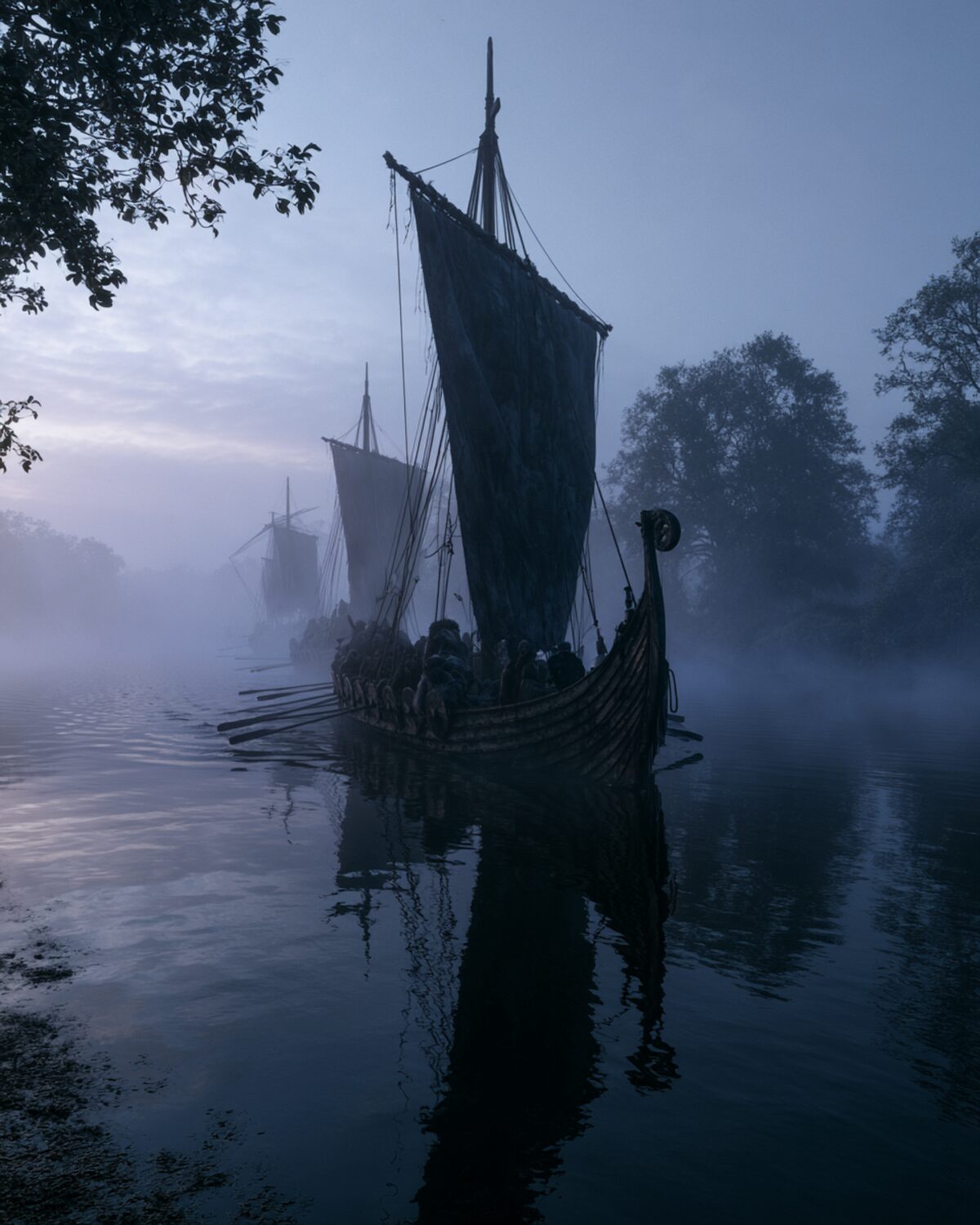
The Namnetes were a Celtic people at the mouth of the Loire, in today's border region of Brittany. Their capital became the later Nantes.
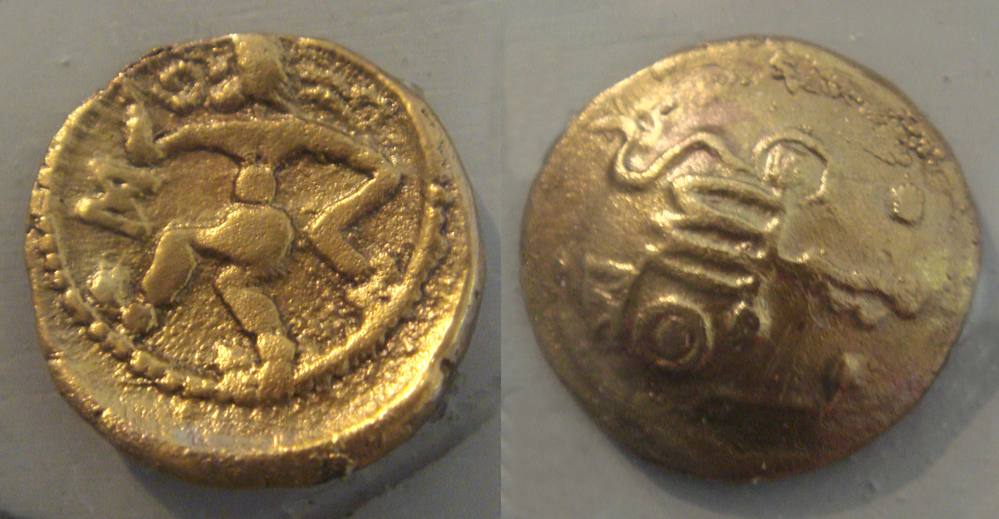
Like their neighbours, the mighty Veneti, the Namnetes were tied to the sea and the Atlantic trade. In Caesar's campaign against the coastal peoples in 56 BC they stood on the side of the rebel Celts.
Under Rome their territory became part of Gaul; their capital Condevincum grew into the civitas of the Namnetes – from which today's Nantes emerged. So the Celtic people lives on in the name of a major city.
"The Veneti called the Osismi, Lexovii, Namnetes … to their aid."after Caesar, The Gallic War III (public domain, own translation)
The Namnetes were a Celtic people of the Atlantic coast of Gaul, at the mouth of the Loire in the south of Brittany (Armorica). Their land on the great river made them seafarers and traders who helped shape the coastal traffic between Gaul and Britain.
In 56 BC the Namnetes joined the revolt of the powerful Veneti against Caesar. In the famous sea battle off the Breton coast the Atlantic peoples faced the Romans with their high-sided oak ships – until a calm sealed the Gauls' fate.
Like their neighbours the Namnetes lived from the sea and from trade. Through their harbours ran metals, salt and goods along the Atlantic route that linked Britain with the continent long before the Romans. Their ships were built for the rough ocean sea, not the mild Mediterranean.
Under Roman rule the chief town of the Namnetes, Condevincum, grew into an important city on the bank of the Loire. From it came today's Nantes, whose name goes directly back to the tribe of the Namnetes.
The name of the Namnetes lives on to this day: in the city of Nantes and in the department of Loire-Atlantique. Thus a Celtic seafaring people remained present on the map long after its ships had vanished in the Atlantic.
The Namnetes stand for the often overlooked maritime Gaul – a Europe of coasts, harbours and sea routes. Such stories of trade and the sea we at GLANZ & GRAVUR like to tell, because they show how connected the ancient world already was.
The Namnetes belong to the Celtic Atlantic world. Continue with the Veneti and Pictones.

The Veneti · The Pictones · The Santones · The Morini · The Celtic Warriors.
