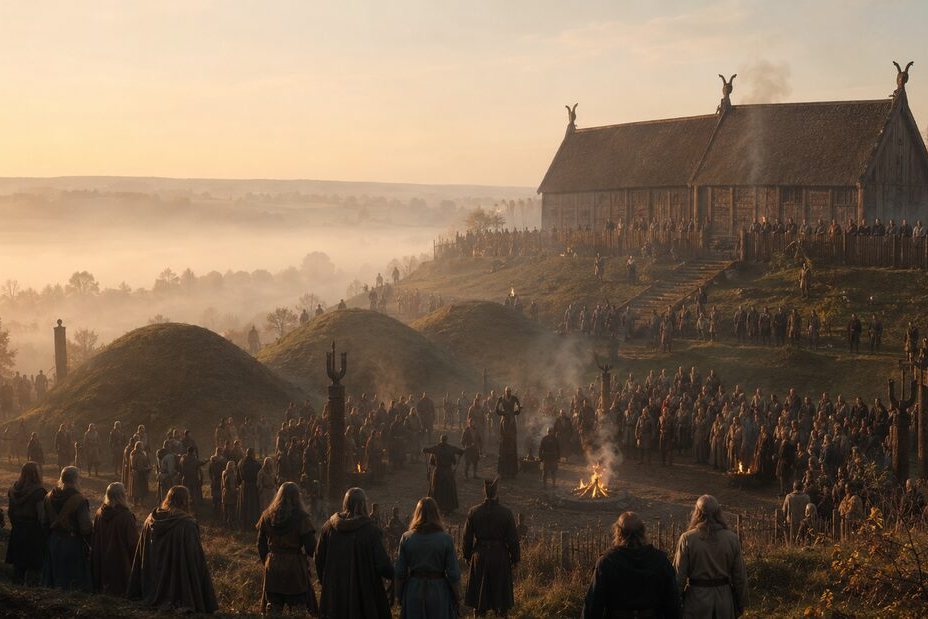
The Quadi were a Germanic tribe with Suebic roots who moved to the middle Danube around the turn of the era – into today's Moravia and southern Slovakia. Together with their neighbours, the Marcomanni, they formed for centuries the Germanic front opposite the Roman Danube frontier.
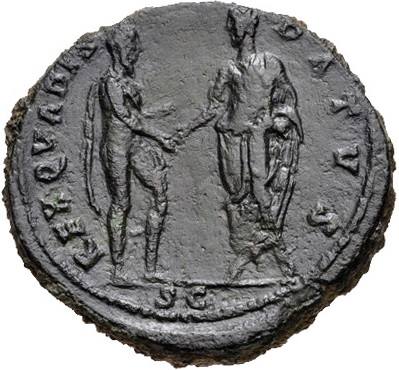
The relationship with Rome fluctuated: sometimes the Quadi were allies and even received kings installed by Rome, sometimes they raided into the empire. Rome tried to keep them quiet through treaties, trade and control – not always with success.
In the Marcomannic Wars (166–180 AD) under Emperor Marcus Aurelius the Quadi were among Rome's main opponents. To these wars belongs the famous "rain miracle": a Roman force, surrounded by the Quadi and dying of thirst, was saved by a sudden downpour. Christians and pagans each ascribed the miracle to their own gods – a fine example of how the same event was interpreted differently. It is even depicted on the Column of Marcus Aurelius in Rome.
"Wits must he have who wanders wide, but all is easy at home."Hávamál 5, after Henry A. Bellows 1923 (public domain)
The Quadi were a Germanic tribe of Suebian origin who settled in today's Moravia and Slovakia north of the Danube. Together with their neighbours, the Marcomanni, they formed one of the most important powers on the Roman Danube frontier.
Over centuries the Quadi alternated between alliance and war with Rome. Rome at times even installed kings over them and bound them by treaties – a constant up and down on a dangerous frontier.
Their history reached its dramatic climax in the Marcomannic Wars (AD 166–180). Quadi and Marcomanni broke through the Danube frontier; Emperor Marcus Aurelius led the tough defensive struggle that shook the empire.
In the war against the Quadi the famous rain miracle is said to have occurred: a surrounded Roman force was saved by a sudden rain. Pagans ascribed it to their gods, Christians to their God – one event, many interpretations.
The Quadi show how long the Germanic Danube front occupied Rome – a tribe between alliance, revolt and a miracle that everyone claimed for themselves. They are related to the Marcomanni and Suebi.
The Marcomanni · The Suebi · The Hermunduri · The Cherusci & Arminius · Germanic Religion.
All History & Finds articles →
King Hákon the Good, a son of Harald Fairhair, fought all his life against the sons of his brother Eric Bloodaxe. Two …
Read more →Long before there were Vikings in the sense of the sagas, there was already a town in south-west Jutland: Ribe, founded …
Read more →