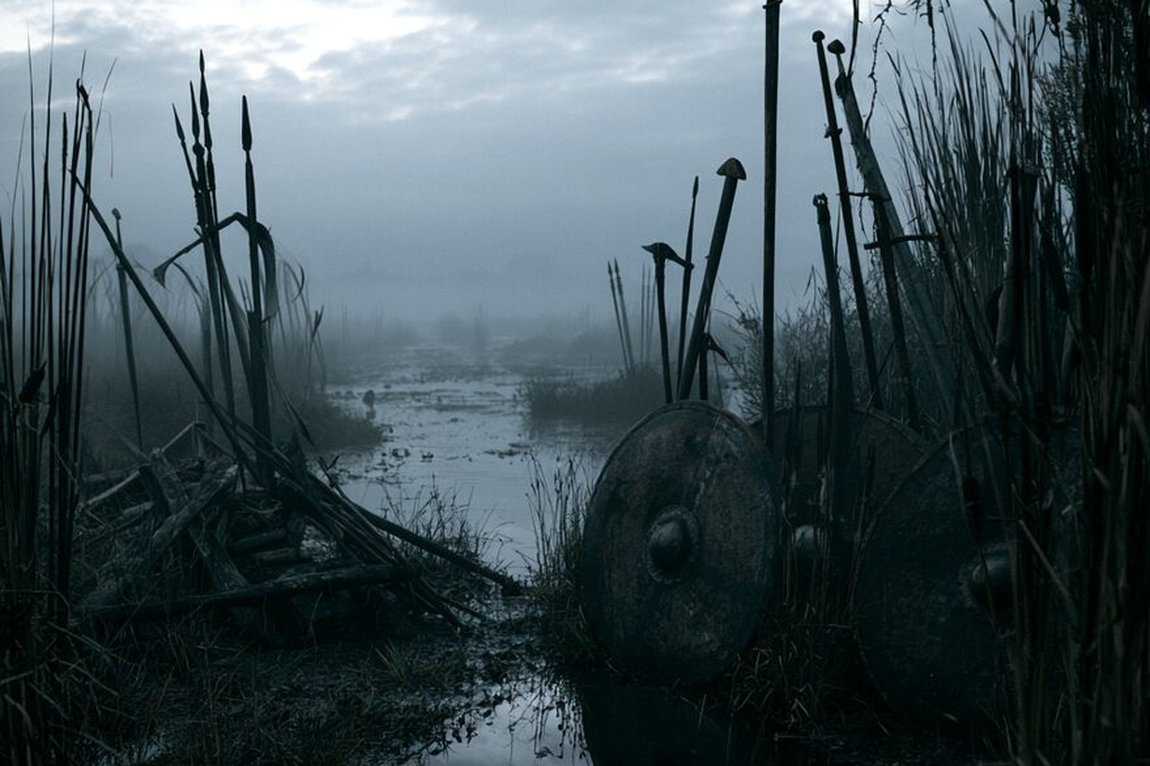
 In the east of today's Netherlands sat a small Germanic tribe that Tacitus already knew: the Tubantes. Their name lives on to this day in the region of Twente.
The Tubantes were a Germanic tribe in the border region between the east of today's Netherlands and western Lower Saxony. Like many smaller Rhine-frontier peoples, they are significant above all through their name: it lives on to this day in the Dutch region of Twente, in the area of the towns of Enschede, Hengelo and Almelo.
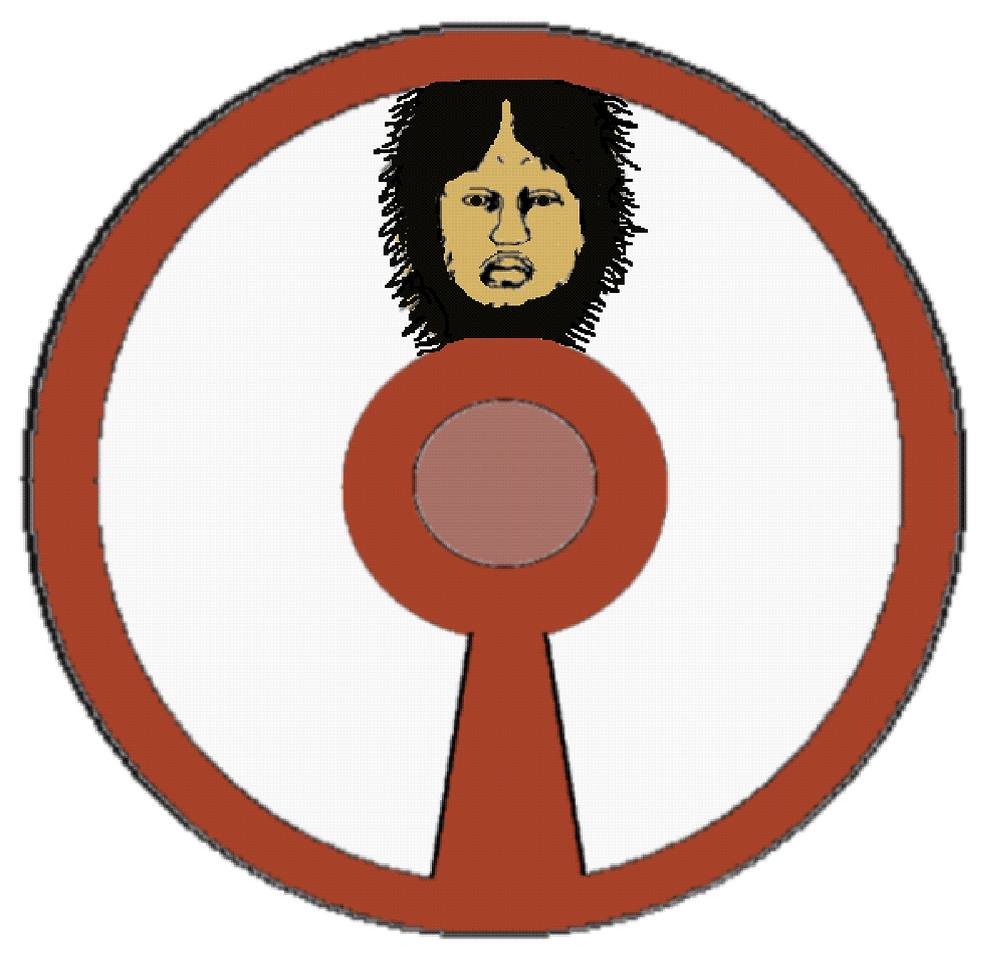
The territory of the Tubantes probably lay between the Ems in the east and the IJssel in the west, in a landscape of heath, moors, sand ridges and river valleys. It was a bare land on the edge of the Roman sphere of influence, dominated by stock-raising and simple farming. Like their neighbours, the Tubantes were part of that Germanic world east of the Rhine that Rome never permanently ruled.
The Tubantes appear in Tacitus in connection with the campaigns of Germanicus (14–16 AD), the Roman revenge expeditions after the Varus battle. In the Annals Tacitus names the Tubantes among the peoples against whom the Roman legions marched; they belonged to the loose alliance of tribes that opposed the Roman advance. The geographer Ptolemy too later records the Tubantes on his map of Germania. The ancient sources give little more about them – they remain one of the many small tribes on the edge of the Roman gaze.
The Tubantes sat in the midst of a dense web of small peoples: the Bructeri, the Chamavi, the Tencteri and others. These tribes allied, warred and constantly shifted their borders. Tacitus describes how whole peoples were displaced and others moved into their land. In this restless border world the Tubantes were a small but independent actor – too small to make history, but big enough to leave a name.
Like almost all small Rhine-frontier tribes, the Tubantes too vanished as an independent people in the Migration Period. In the 3rd and 4th centuries the many individual tribes of the Lower Rhine merged into the great confederations of the Franks and Saxons. Twente later lay in the border zone between Frankish and Saxon influence. But the tribal name outlasted the political downfall – as the name of a region that exists to this day.
The most remarkable thing about the Tubantes is the continuity of their name. Tubantes became, over the centuries, Twente – one of the three regions of the Dutch province of Overijssel. The people there still call themselves "Tukkers", and clubs, institutions and even the football club FC Twente bear the name. Thus the Tubantes belong to those small Germanic tribes whose name has survived the two thousand years since Tacitus unscathed – similar to the Canninefates (Kennemerland) and Texuandri (Toxandria).
In Twente the name of the Tubantes is a piece of living regional identity. It appears in street names, coats of arms and clubs; the memory of the Germanic origin people belongs to the region's self-image. That a tribe about which the ancient sources say only a few lines is so deeply anchored in the modern map shows the astonishing tenacity of names – often they outlast empires, languages and peoples.
The Tubantes are a model of the many small Germanic tribes that individually made little history but in their sum formed the Germanic world on the Rhine. Their value lies less in great events than in continuity: a name Tacitus noted almost two thousand years ago lives on today in a Dutch region. For an honest picture of the Germani such tribes belong – they remind us that "the Germani" were a patchwork of many small peoples, not a single unified people.
Of the Tubantes we know almost only through Tacitus (Annals, Germanicus campaigns) and the geographer Ptolemy – both Greco-Roman and from a distance. Archaeologically the tribe cannot be securely grasped; place-name research (Tubantes → Twente) provides the firmest evidence of its survival. What is secure – the existence of the tribe, its approximate position, the name-survival in Twente – we separate carefully from what remains interpretation, such as the exact borders or the tribal structure.
The land of the Tubantes lay just beyond the Roman frontier. Unlike the tribes west of the Rhine, who were Romanised early, the Tubantes remained part of free Germania. Their everyday life was rural: small farms, cattle, grain on the bare sandy soils, plus hunting and fishing in the moors and rivers. Roman goods – bronze, glass, coins – reached even this marginal position through trade and booty, but Roman rule never took lasting hold here. The Tubantes belonged to that Germanic world Rome knew, named and fought, but never subdued.
Tacitus describes the Rhine frontier as a world in constant motion. Tribes displaced one another, migrated, merged or vanished. Thus he reports how the Bructeri were almost destroyed by their neighbours and their land occupied by other peoples. In this coming and going, small tribes like the Tubantes were especially vulnerable – and especially mobile. That their name outlasted the centuries while many neighbours vanished without trace is remarkable and probably owes itself to the firm bond to their heartland, today's Twente.
The Germanic world did not consist of a few great peoples but of dozens of small tribes like the Tubantes. Only in their sum do they form the picture of free Germania. Each of these tribes had its own name, its own leaders, its own borders and its own self-assurance. To know them guards against the error that "the Germani" were a unified people. The Tubantes stand for all those small peoples who never founded a realm but left their traces in the landscape names from the Netherlands to Lower Saxony.
"The horsemen sent by Germanicus raided the territory of the Tubantes and took rich booty."after Tacitus, Annals I (public domain, own translation)

The Bructeri · The Chamavi · The Franks.
All History & Finds articles →
On a field south of Lund, where today only a small church stands, lay for almost a thousand years one of the largest …
Read more →No place stands more for the pagan cult of the North than Gamla Uppsala: the golden temple, the great sacrifice every …
Read more →