The Semnones were, according to Tacitus, the oldest and most respected people in the great league of the Suebi, settled between the Elbe and the Oder.
"The Semnones are held to be the oldest and noblest people of the Suebi."after Tacitus, Germania 39 (public domain, own translation)
The Semnones were regarded by Tacitus as the oldest and noblest people of the Suebi. Their wide settlement area lay between the Elbe and the Oder, in today's Brandenburg. Over a hundred districts are said to have belonged to them – a powerful confederation in the heart of Germania.
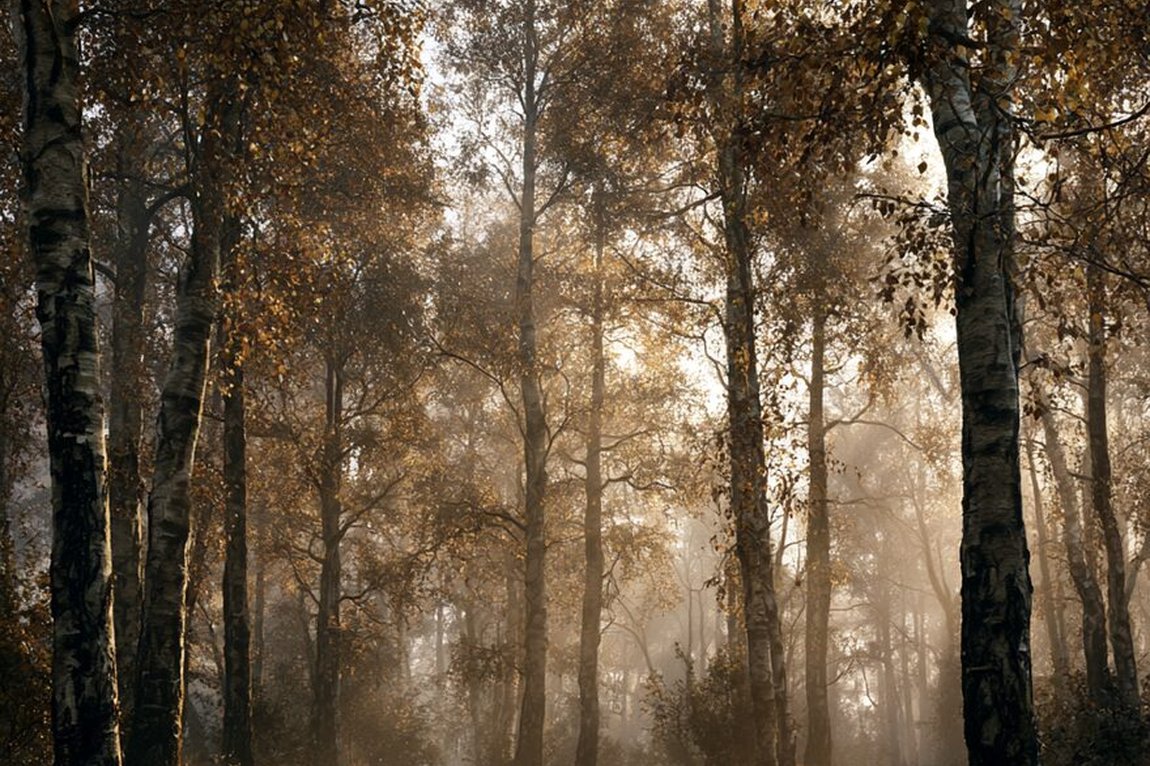
Their sacred grove became famous, the religious centre of all the Suebi. Tacitus reports that no one might enter it except bound, as a sign of submission to the deity. Here at certain times human sacrifices were offered – a striking image of Germanic religion.
The grove was more than a cult site: it was the bond that linked the many Suebian tribes. At fixed times embassies of all the related peoples gathered there – religion as the clasp of a whole league of peoples.
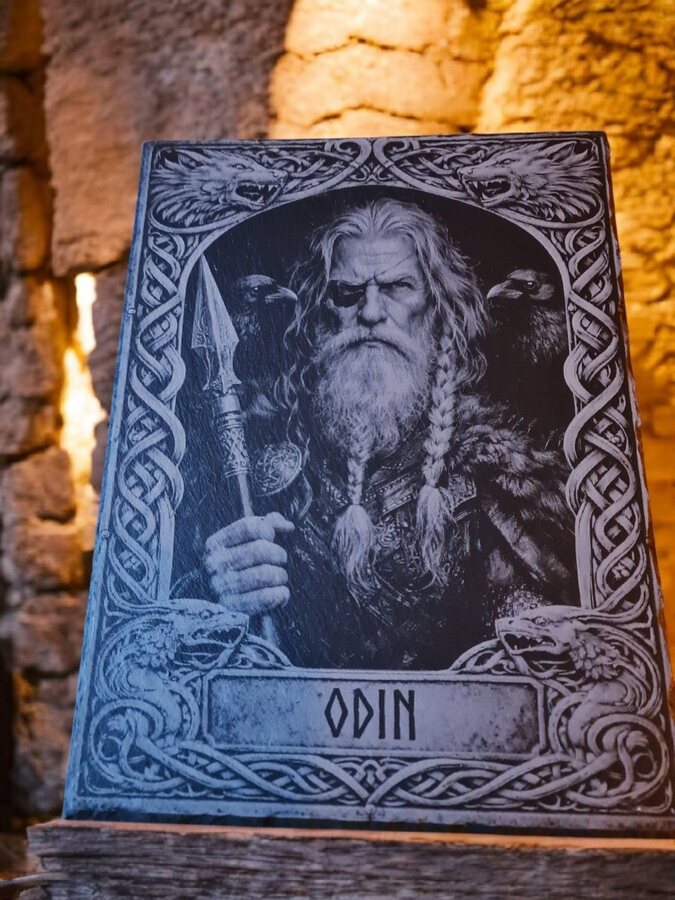
Tacitus calls the god worshipped in the grove the regnator omnium deus – the "god who rules over all". Whom he meant is disputed to this day: some think of Tiwaz, the old sky and war god, others of a forerunner of Odin. A fascinating riddle of the Germanic world of faith.
Later the Semnones are lost in the dark of history. The Augsburg victory altar of AD 260 names them once more – in connection with the Juthungi. Probably they merged into the great confederation of the Alemanni.
The Semnones and their sacred grove are among the most impressive testimonies of Germanic religion. At GLANZ & GRAVUR we tell them from the sources – honestly separated into what Tacitus reports and what remains interpretation.
The Semnones lead into the heart of Suebian belief. Continue with the Suebi and the Semnonic grove.
The Suebi · The Marcomanni · The Hermunduri · The Quadi · The Lombards.
All History & Finds articles →
Long before the Viking Age and before the Icelandic Edda there was Germanic cult – and one of the most striking stood …
Read more →Silver was the lifeblood of Viking trade – weighed, chopped up, buried. Three of the greatest hoards show how far the …
Read more →